OpenAI Takes Aim at Google with New Image Model
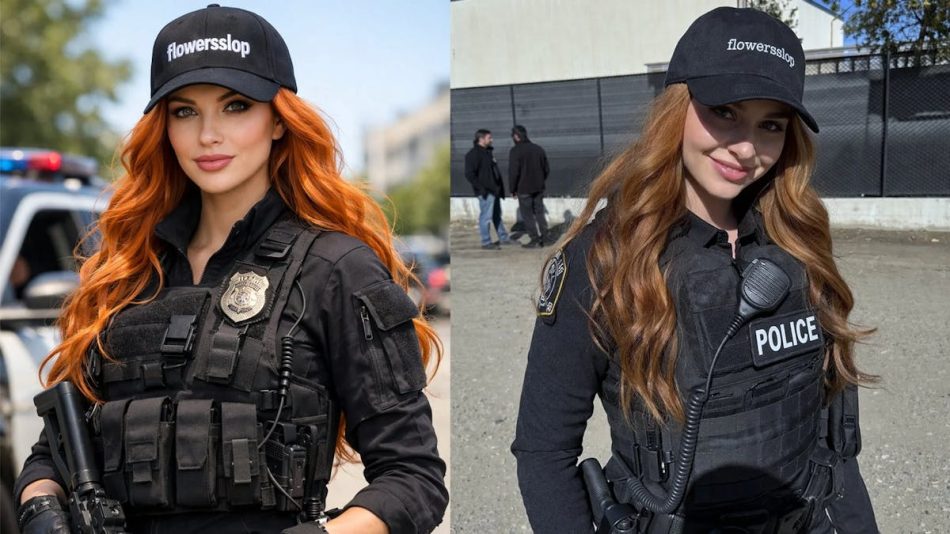
In a significant move within the tech industry, OpenAI has unveiled its latest image generation model, which is poised to challenge Google’s dominance in the field of artificial intelligence (AI) and image processing. This new model, known as DALL-E 3, represents a major advancement in the capabilities of AI to create and manipulate images based on textual descriptions.
Understanding DALL-E 3
DALL-E 3 is the third iteration of OpenAI’s DALL-E series, which is designed to generate high-quality images from textual prompts. The model leverages advanced machine learning techniques and vast datasets to create images that are not only visually appealing but also contextually relevant to the input provided by users.
Key Features of DALL-E 3
- Improved Image Quality: DALL-E 3 produces images with higher resolution and greater detail compared to its predecessors.
- Enhanced Text Understanding: The model has a better grasp of nuanced textual prompts, allowing it to generate images that are more aligned with user expectations.
- Inpainting Capabilities: Users can edit specific parts of an image, enabling them to refine the output according to their preferences.
- Broader Range of Styles: DALL-E 3 can mimic various artistic styles, making it suitable for a wide array of applications, from marketing to personal projects.
The Competitive Landscape
OpenAI’s DALL-E 3 enters a competitive landscape dominated by Google, which has long been a leader in AI and image processing technologies. Google’s image generation tools, including Imagen, have set high standards for quality and functionality. However, OpenAI’s latest model aims to carve out its own niche by focusing on user experience and creative flexibility.
Google’s Response
In response to the launch of DALL-E 3, Google has reiterated its commitment to innovation in AI. The company has been investing heavily in its own AI research and development, with a focus on improving the capabilities of its existing tools and exploring new applications for image generation technology.
Applications of DALL-E 3
The potential applications for DALL-E 3 are vast and varied. Here are some key areas where the model can make a significant impact:
1. Marketing and Advertising
Businesses can utilize DALL-E 3 to create unique and eye-catching visuals for their marketing campaigns. By generating images that align with their brand identity, companies can enhance their advertising efforts and engage customers more effectively.
2. Content Creation
Content creators, including bloggers, social media influencers, and video producers, can leverage DALL-E 3 to generate custom visuals that complement their narratives. This can lead to more engaging content and a stronger connection with audiences.
3. Art and Design
Artists and designers can use DALL-E 3 as a tool for inspiration or to create unique pieces of art. The ability to generate images in various styles allows for experimentation and innovation in the creative process.
4. Education and Training
DALL-E 3 can be employed in educational settings to create visual aids that enhance learning experiences. By generating relevant images, educators can help students better understand complex concepts.
Ethical Considerations
As with any advanced technology, the introduction of DALL-E 3 raises important ethical questions. OpenAI has acknowledged the potential for misuse of its image generation capabilities and has implemented measures to mitigate risks. These include:
1. Content Moderation
OpenAI has established guidelines for acceptable use of DALL-E 3, including restrictions on generating harmful or misleading content. The company actively monitors usage to ensure compliance with these guidelines.
2. Transparency
OpenAI is committed to transparency in its operations, providing users with information about how the model works and the data it was trained on. This helps build trust and accountability in the technology.
3. Collaboration with Experts
OpenAI collaborates with ethicists, researchers, and industry experts to address the ethical implications of its technologies. This collaborative approach ensures that diverse perspectives are considered in decision-making processes.
The Future of AI and Image Generation
The launch of DALL-E 3 marks a pivotal moment in the evolution of AI and image generation technologies. As competition intensifies between OpenAI and Google, users can expect continued advancements in the quality and functionality of these tools. The future of AI in image generation is likely to be characterized by:
1. Increased Accessibility
As AI technologies become more advanced, they are also becoming more accessible to a broader audience. This democratization of technology allows individuals and businesses of all sizes to harness the power of AI for creative purposes.
2. Enhanced Collaboration
AI tools like DALL-E 3 are fostering collaboration between humans and machines. As these technologies improve, users will be able to work alongside AI to create innovative solutions and artistic expressions.
3. Continuous Innovation
The rapid pace of innovation in AI means that new features and capabilities will continue to emerge. Both OpenAI and Google are likely to invest in research and development to stay ahead of the curve, leading to exciting advancements in the field.
Conclusion
OpenAI’s introduction of DALL-E 3 is a bold step towards redefining the landscape of image generation technology. By focusing on quality, user experience, and ethical considerations, OpenAI aims to challenge Google’s dominance in the field. As the competition heats up, users stand to benefit from the ongoing advancements in AI, leading to new possibilities in creativity and innovation.
Note: This article is based on information available as of October 2023 and is intended for informational purposes only.