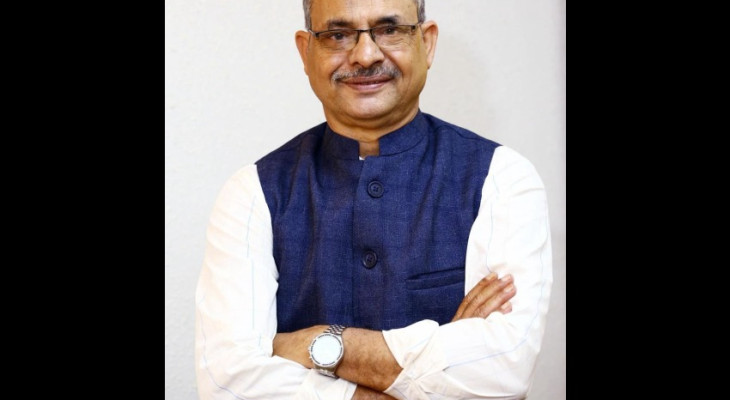
Maharashtra: Centre for Heat Resilience at IIM Nagpur to boost climate action, says CM Fadnavis
Maharashtra is taking significant steps towards combating climate change with the establishment of a Centre for Heat Resilience at the Indian Institute of Management (IIM) Nagpur. This initiative, announced by Chief Minister Devendra Fadnavis, aims to address the pressing challenges posed by rising temperatures and extreme weather events in the region.
Understanding the Need for Heat Resilience
The increasing frequency of heatwaves and extreme weather conditions has raised concerns among policymakers and the public alike. Maharashtra, with its diverse climate and geographical features, is particularly vulnerable to the impacts of climate change. The need for a dedicated centre focusing on heat resilience has become critical to safeguard the environment and the livelihoods of its citizens.
What is Heat Resilience?
Heat resilience refers to the capacity of communities and ecosystems to withstand and adapt to extreme heat events. This involves not only immediate responses to heatwaves but also long-term strategies to mitigate their impacts. The Centre for Heat Resilience at IIM Nagpur will focus on research, policy formulation, and practical solutions to enhance the state’s resilience to heat-related challenges.
Objectives of the Centre for Heat Resilience
The Centre aims to achieve several key objectives:
- Research and Development: Conducting studies to understand the effects of heat on health, agriculture, and urban infrastructure.
- Policy Formulation: Assisting the government in developing policies that promote sustainable practices and heat adaptation strategies.
- Community Engagement: Raising awareness among citizens about the impacts of heat and promoting community-driven initiatives.
- Collaboration: Working with local and international organizations to share knowledge and resources.
Significance of the Initiative
The establishment of this centre is a significant step towards enhancing Maharashtra’s climate action framework. Chief Minister Fadnavis emphasized the importance of integrating climate resilience into development planning. By focusing on heat resilience, the state aims to:
- Protect vulnerable populations, particularly those in urban slums and rural areas.
- Enhance agricultural productivity by developing heat-resistant crop varieties.
- Improve urban infrastructure to withstand extreme temperatures.
- Promote sustainable energy solutions to reduce heat generation.
Collaboration with Educational Institutions
IIM Nagpur, known for its focus on management education and research, is well-positioned to lead this initiative. The institute will collaborate with various stakeholders, including government bodies, non-governmental organizations, and academic institutions, to create a comprehensive approach to heat resilience.
Role of IIM Nagpur
The role of IIM Nagpur in this initiative extends beyond research. The institute will also:
- Provide training and capacity-building programs for government officials and community leaders.
- Develop innovative solutions and technologies to mitigate heat impacts.
- Facilitate workshops and seminars to disseminate findings and best practices.
Government Support and Funding
The Maharashtra government has pledged its support for the Centre for Heat Resilience by allocating necessary funding and resources. This backing is crucial for the successful implementation of the centre’s initiatives. The government aims to create a robust framework that encourages research and innovation in climate resilience.
Potential Funding Sources
In addition to state funding, the centre will explore various funding sources, including:
- Grants from national and international organizations focused on climate action.
- Collaborations with private sector companies interested in sustainable development.
- Partnerships with philanthropic organizations that support environmental initiatives.
Community Involvement
Community involvement is essential for the success of the Centre for Heat Resilience. The initiative will encourage local communities to participate in climate action through:
- Awareness campaigns highlighting the importance of heat resilience.
- Training programs on sustainable practices and heat adaptation strategies.
- Opportunities for community members to engage in research and data collection.
Future Prospects
The establishment of the Centre for Heat Resilience at IIM Nagpur marks a pivotal moment in Maharashtra’s fight against climate change. As the centre begins its operations, it will pave the way for innovative solutions and policies that can be replicated in other states facing similar challenges.
Long-term Vision
The long-term vision for the centre includes:
- Creating a model for heat resilience that can be adopted by other regions.
- Establishing Maharashtra as a leader in climate action and sustainability.
- Contributing to national and global discussions on climate change adaptation.
Conclusion
As Maharashtra embarks on this ambitious journey towards heat resilience, the Centre for Heat Resilience at IIM Nagpur stands as a beacon of hope. With the right support, collaboration, and community engagement, the state can effectively combat the challenges posed by climate change and ensure a sustainable future for its citizens.
Note: The establishment of the Centre for Heat Resilience at IIM Nagpur is a crucial step in addressing the impacts of climate change in Maharashtra. It reflects the government’s commitment to sustainable development and the importance of collaborative efforts in tackling environmental challenges.