IIT Roorkee sets up hydro turbine R&D facility to boost India’s net zero 2070 push
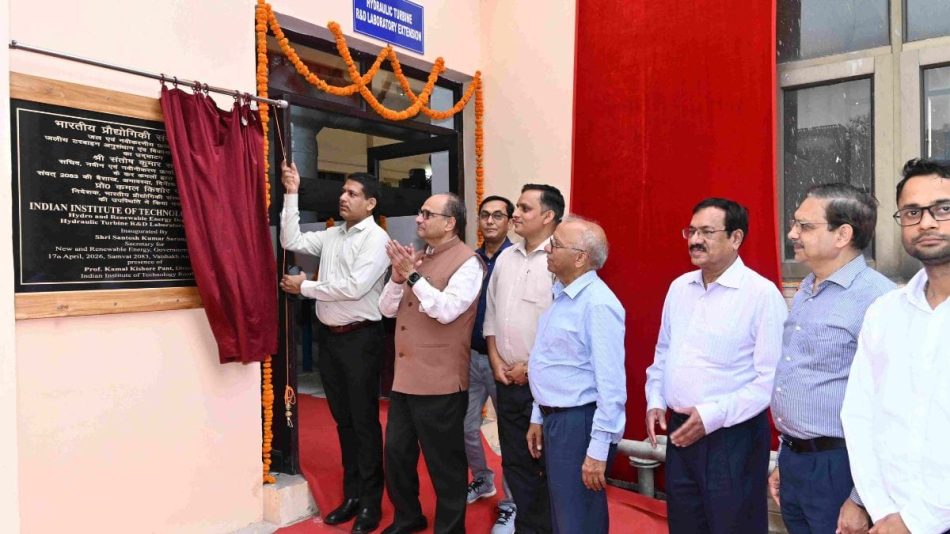
On April 21, 2026, the Indian Institute of Technology (IIT) Roorkee inaugurated a state-of-the-art research facility aimed at advancing the development of ultra-low head (ULH) and hydrokinetic turbines. This initiative is a significant step towards enhancing India’s clean energy capabilities and supporting the country’s ambitious goal of achieving net zero emissions by 2070.
Facility Overview
Located within the department of hydro and renewable energy at IIT Roorkee, the new facility is designed to explore innovative methods for harnessing energy from underutilized water sources. These include canal drops and wastewater outlets, which have significant potential for energy generation but remain largely untapped due to technological constraints.
Key Components of the Facility
The facility comprises two main units:
- Ultra-Low Head Laboratory: This unit focuses on developing turbine technologies that can efficiently generate electricity from water heads as low as one to four meters.
- Hydrokinetic Turbine Facility: This section is dedicated to researching and testing hydrokinetic turbines that can generate power from the kinetic energy of flowing water.
Significance of Small Hydro Power
During the inauguration, Santosh Kumar Sarangi, the Secretary of the Ministry of New and Renewable Energy (MNRE), emphasized the critical role of small hydro power (SHP) in India’s clean energy landscape. He noted that SHP can significantly contribute to rural electrification, particularly in remote and hilly areas, while also generating substantial employment opportunities.
“Small hydro power will play an important role in rural remote and hilly areas, while supporting over 50 lakh person-days of employment during the project construction till FY 2030-31,” Sarangi stated. He further added that the new facility would enable research and development into SHP technologies, particularly focusing on ultra-low head and hydrokinetic turbines for industry adoption and deployment.
Technological Innovations
The establishment of this facility aims to bridge the technological gap in utilizing low-head water sources. Researchers at IIT Roorkee plan to test various turbine designs, including:
- Propeller-based Models: These turbines are designed to operate efficiently in low water head conditions.
- Screw Turbines: Environmentally friendly options that can provide sustainable energy solutions.
These innovations are expected to unlock the potential of numerous low-head sites across India, particularly in irrigation systems where such technologies have not been previously implemented.
Collaboration and Funding
The project has been developed under the leadership of Arun Kumar, with financial support from the MNRE. This collaboration highlights the importance of partnerships between academic institutions and government bodies in advancing clean energy solutions. During his visit, Sarangi reviewed various research activities at IIT Roorkee, which include ongoing projects in solar energy, biomass, hydrogen, and grid integration.
Impact on India’s Energy Landscape
IIT Roorkee’s new hydro turbine facility is expected to play a pivotal role in building more reliable and scalable energy systems. Kamal Kishore Pant, the director of IIT Roorkee, expressed optimism about the facility’s contributions to national and global climate goals. He stated, “The facility will play a pivotal role in enabling reliable, scalable, and sustainable energy systems, not only supporting national priorities but also contributing to global climate goals.”
Future Prospects
The establishment of this research facility is a testament to India’s commitment to enhancing its renewable energy capabilities. With the increasing focus on sustainable development and clean energy, initiatives like this are crucial for achieving the country’s net zero emissions target by 2070.
As the facility begins its operations, it is expected to attract further research and investment in the renewable energy sector, paving the way for innovative solutions that can address the pressing energy challenges faced by India.
Conclusion
The inauguration of the hydro turbine R&D facility at IIT Roorkee marks a significant milestone in India’s journey towards a sustainable energy future. By focusing on underutilized water resources and developing advanced turbine technologies, IIT Roorkee is set to play a crucial role in the country’s clean energy transition.
Note: The information presented in this article is based on the latest updates and developments as of April 2026.