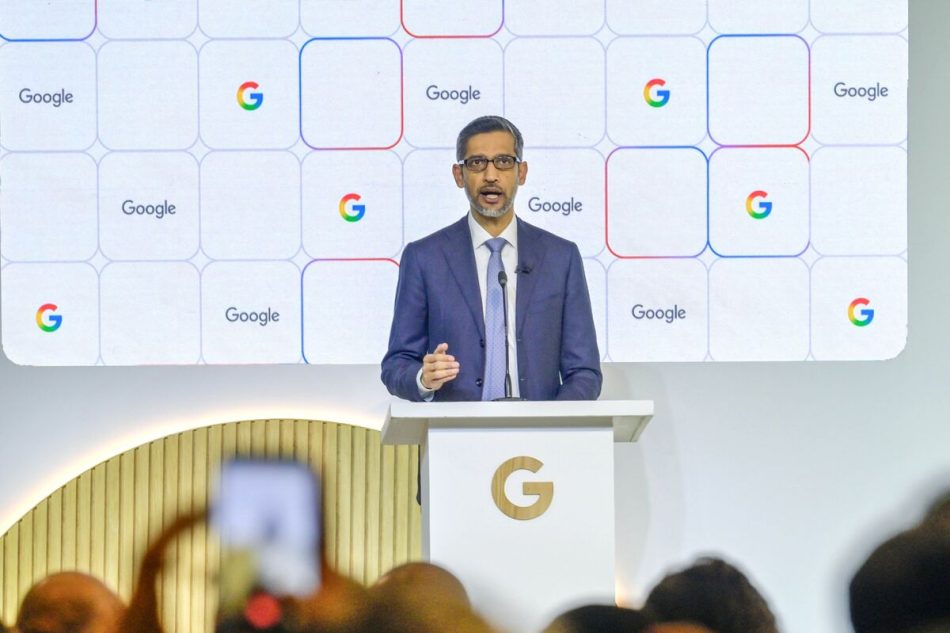
Google’s Internal Politics Leave It Playing Catch-Up on AI Coding
In recent years, Google has found itself in a complex and challenging position within the rapidly evolving field of artificial intelligence (AI). As competitors race ahead with innovative AI solutions, internal politics and strategic missteps have left Google struggling to keep pace. This article explores the factors contributing to Google’s current standing in AI coding and the implications for the tech giant’s future.
The Rise of AI and Competition
The AI landscape has transformed dramatically over the past decade. Companies like OpenAI, Microsoft, and others have made significant strides in developing AI technologies that are not only advanced but also user-friendly and accessible. These advancements have heightened competition in the tech industry, compelling companies to innovate rapidly.
Google’s Historical Dominance
Historically, Google has been at the forefront of AI research and development. With its vast resources and talented workforce, the company has pioneered numerous breakthroughs in machine learning, natural language processing, and computer vision. However, as the AI field has matured, the expectations for innovation have also increased.
Internal Politics and Decision-Making
One of the critical issues plaguing Google is its internal politics. The company has a complex organizational structure that can hinder swift decision-making. Various teams often compete for resources and recognition, leading to a fragmented approach to AI development.
Team Fragmentation
Google’s AI initiatives are spread across multiple teams, each with its own focus and objectives. This fragmentation can result in duplicated efforts and a lack of cohesive strategy. For instance, while one team may be working on enhancements to Google’s search algorithms, another might be focused on developing AI for cloud services. This lack of alignment can slow down progress and innovation.
Leadership Challenges
Leadership plays a crucial role in navigating the complexities of internal politics. Changes in leadership can lead to shifts in priorities, which may not always align with the broader goals of AI development. Additionally, the pressure to deliver results can lead to short-term thinking, sidelining long-term strategic initiatives that are essential for sustained innovation.
Market Perception and Brand Image
Another factor contributing to Google’s challenges in AI coding is market perception. Once viewed as the leader in AI, the company is now seen by some as lagging behind its competitors. This shift in perception can impact talent acquisition, partnerships, and even customer trust.
Talent Acquisition and Retention
As other companies gain recognition for their AI advancements, attracting top talent has become increasingly competitive. Engineers and researchers are drawn to organizations that are perceived as leaders in innovation. Google’s internal politics may deter some potential candidates, who may prefer to work in environments that foster collaboration and creativity.
Partnerships and Collaborations
In the tech industry, strategic partnerships can be pivotal for success. Companies often collaborate to leverage each other’s strengths. However, Google’s internal challenges may make it less appealing as a partner. Organizations may hesitate to engage with Google if they perceive it as slow to innovate or politically divided.
Recent Developments in AI at Google
Despite these challenges, Google has made strides in AI development. The company has introduced several AI-powered products and services, including advancements in Google Assistant and improvements in its search algorithms. However, these efforts have not been enough to quell concerns about its competitive standing.
Focus on Ethical AI
Google has also emphasized its commitment to ethical AI, aiming to address concerns about bias and transparency in AI systems. This focus is commendable, but it can also slow down the pace of development as the company navigates the complexities of ethical considerations.
Looking Ahead: Strategies for Improvement
To regain its competitive edge in AI coding, Google must address its internal politics and streamline its decision-making processes. Here are some strategies that could help the company improve its position:
1. Foster Collaboration
Encouraging collaboration among teams can help unify efforts and reduce duplication. Establishing cross-functional teams focused on specific AI projects could enhance communication and innovation.
2. Empower Leadership
Empowering leaders to make swift decisions and prioritize long-term goals can help Google navigate its internal challenges. Leadership training and clear communication of the company’s vision can align teams toward common objectives.
3. Enhance Talent Strategies
Improving talent acquisition and retention strategies is crucial. Google should highlight its commitment to innovation and ethical AI to attract top talent. Additionally, creating an inclusive and collaborative work environment can enhance employee satisfaction and retention.
4. Strengthen Partnerships
Rebuilding relationships with strategic partners can open new avenues for collaboration and innovation. Google should actively seek partnerships that align with its AI goals and foster a culture of shared success.
Conclusion
Google’s internal politics and organizational challenges have left it playing catch-up in the competitive AI landscape. While the company has made significant contributions to AI, it must address these issues to regain its status as a leader in the field. By fostering collaboration, empowering leadership, enhancing talent strategies, and strengthening partnerships, Google can position itself for future success in AI coding.
Note: The information presented in this article is based on the current understanding of Google’s position in the AI industry as of October 2023. Future developments may alter the landscape significantly.