Senate eyes AI expansion for congressional business – Live Updates
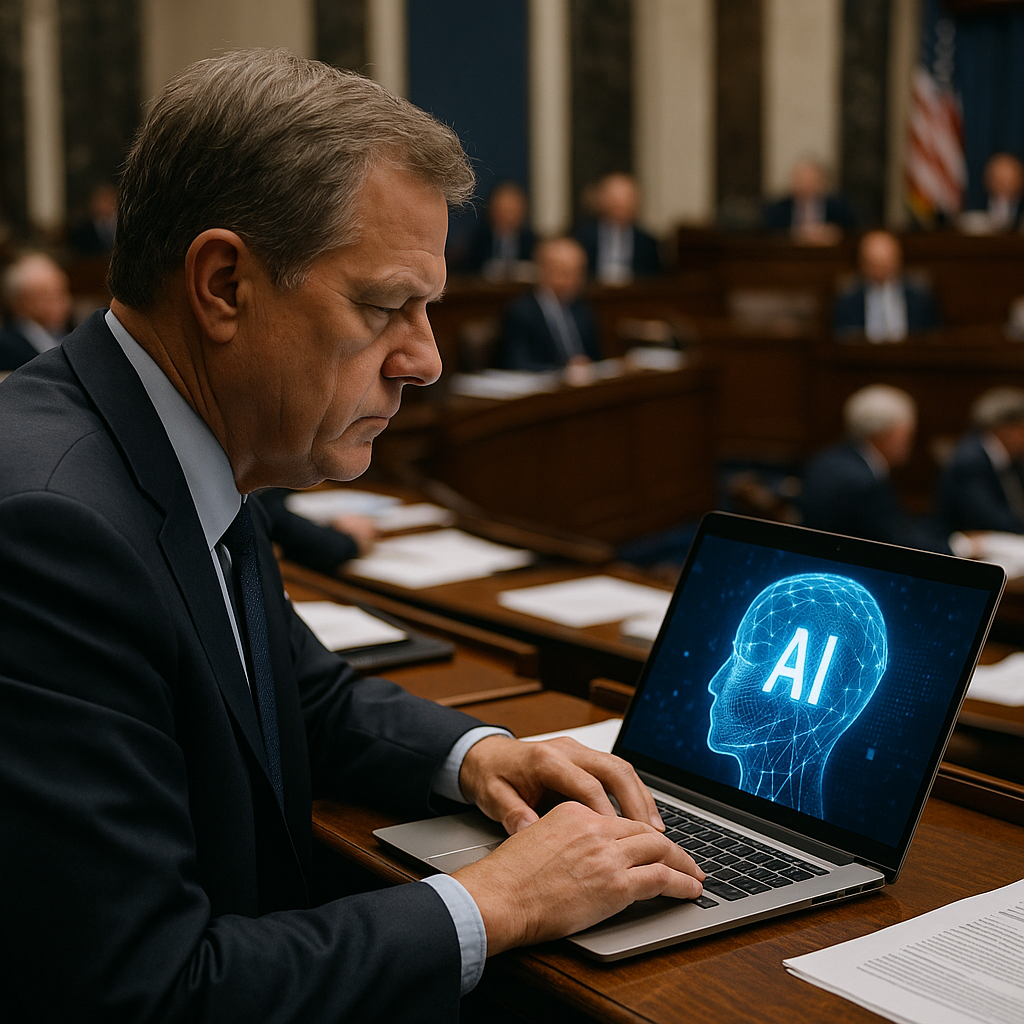
The United States Senate is increasingly exploring the integration of artificial intelligence (AI) technologies to enhance its operations and improve efficiency in congressional business. As the digital landscape evolves, lawmakers recognize the potential benefits of AI in various aspects of governance, from legislative processes to constituent engagement.
Understanding AI’s Role in Congress
Artificial intelligence refers to the simulation of human intelligence in machines programmed to think and learn. In the context of congressional operations, AI can be utilized in several ways:
- Data Analysis: AI can process vast amounts of data quickly, allowing lawmakers to make informed decisions based on real-time information.
- Constituent Services: AI-powered chatbots can assist constituents by providing information and answering queries, enhancing communication between citizens and their representatives.
- Legislative Drafting: AI tools can help in drafting bills and amendments by suggesting language and identifying relevant precedents.
- Research Assistance: AI can streamline the research process for lawmakers, helping them gather and analyze information efficiently.
Current Initiatives and Proposals
Several initiatives are currently underway in the Senate to explore the potential of AI technologies:
1. AI Task Force
The Senate has established an AI task force aimed at evaluating the implications of AI on governance. This task force is responsible for assessing the current state of AI technologies and their applicability to congressional functions.
2. Pilot Programs
Various pilot programs are being tested in select Senate offices. These programs focus on using AI tools for data analysis, legislative tracking, and constituent communication. The results from these pilots will inform future decisions regarding broader implementation.
3. Collaboration with Tech Companies
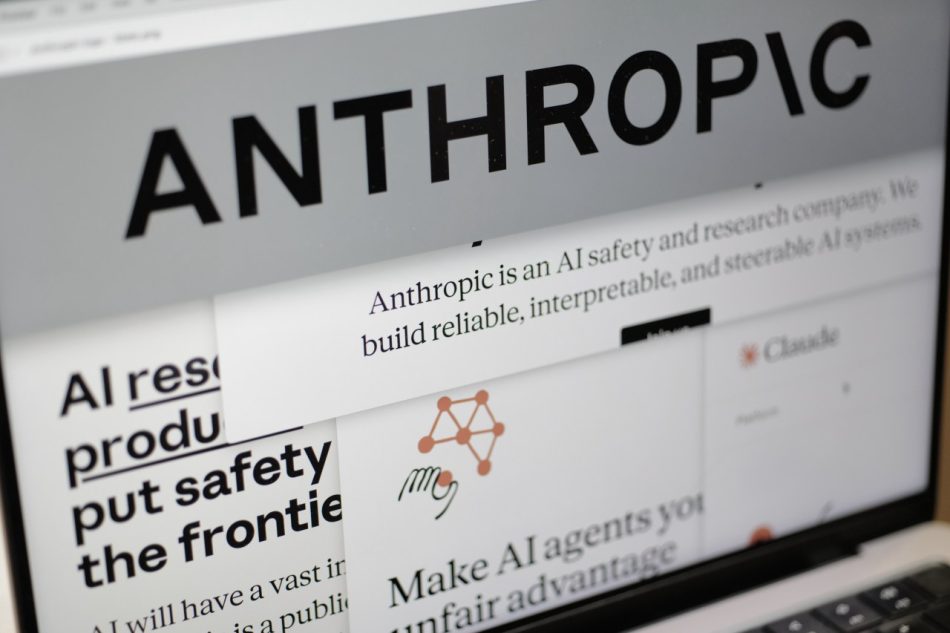
The Senate is also collaborating with technology companies specializing in AI to develop tailored solutions for congressional needs. These partnerships aim to leverage private sector expertise while ensuring that AI applications align with public service goals.
Benefits of AI in Congressional Business
The potential benefits of integrating AI into congressional operations are significant:
- Increased Efficiency: Automating routine tasks can free up time for lawmakers and their staff to focus on more complex issues.
- Enhanced Decision-Making: Access to advanced analytics can lead to better-informed policy decisions.
- Improved Constituent Engagement: AI can facilitate more responsive and personalized communication with constituents, fostering a stronger connection between lawmakers and the public.
- Cost Savings: Streamlining operations through AI can lead to reduced costs in the long run.
Challenges and Considerations
Despite the promising advantages, the adoption of AI in congressional business also presents several challenges:
1. Ethical Concerns
There are significant ethical considerations surrounding the use of AI, particularly regarding privacy, data security, and bias in algorithms. Lawmakers must ensure that AI applications do not compromise the integrity of the legislative process or the rights of constituents.
2. Technology Limitations
AI technology is not infallible. Limitations in current AI capabilities can lead to errors in data interpretation and decision-making. Lawmakers need to be cautious and maintain oversight to mitigate these risks.
3. Resistance to Change
Integrating new technologies often meets resistance from those accustomed to traditional methods. Training and education will be essential to facilitate a smooth transition to AI-enhanced operations.
Future Outlook
The future of AI in congressional business looks promising, with ongoing discussions about expanding its use across various legislative functions. As lawmakers continue to explore AI’s potential, several key areas are likely to see significant developments:
- Legislative Transparency: AI could enhance transparency in legislative processes by providing real-time updates and insights into bills and amendments.
- Policy Development: AI tools could aid in the development of more effective policies by analyzing trends and public sentiment.
- Collaboration with Other Branches: The Senate may explore collaborative efforts with other branches of government to standardize AI applications and share best practices.
Conclusion
As the Senate continues to evaluate the integration of AI into its operations, the potential for increased efficiency, improved constituent engagement, and enhanced decision-making is evident. However, careful consideration of ethical implications and technology limitations will be crucial in ensuring that AI serves the public interest effectively. The journey toward AI-enhanced congressional business is just beginning, and its success will depend on thoughtful implementation and ongoing dialogue among lawmakers, technologists, and the public.
Note: This article reflects the current state of discussions regarding AI in congressional business as of October 2023. Future developments may alter the landscape significantly.