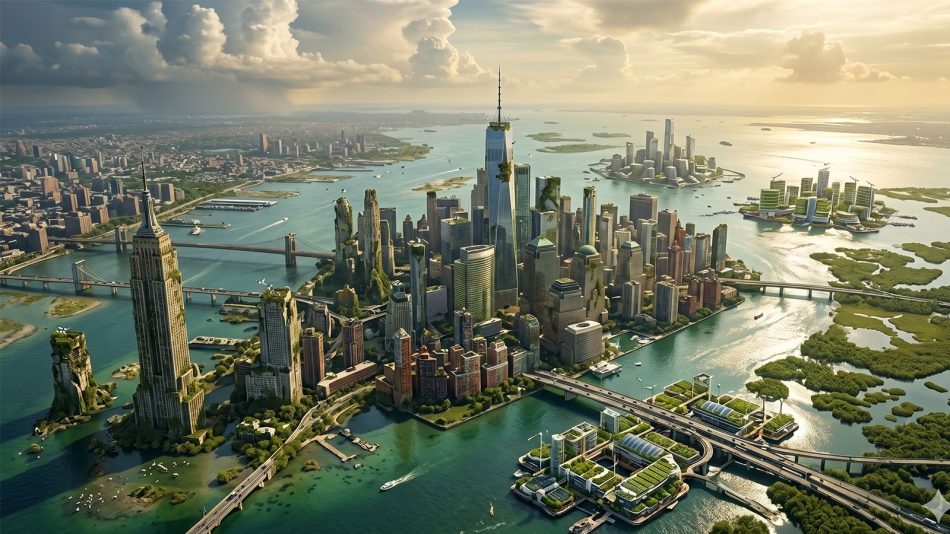
For Earth Day, I asked AI to show me what the future looks like
On Earth Day, I posed a thought-provoking question to an AI: What will the planet’s biggest cities look like 1,000 years from now? Instead of relying on science fiction or speculative predictions, I requested that the AI base its insights on hard data and established environmental trends. The results were both enlightening and concerning.
The Methodology
To generate its predictions, the AI analyzed a variety of reputable sources, including:
- IPCC Sixth Assessment Report
- NASA Sea Level Change Portal
- Met Office Climate Change Overview
- World Meteorological Organization (WMO) Climate Reports
By synthesizing information from these sources, the AI aimed to outline broad trends rather than pinpoint specific events or outcomes for individual cities.
Key Findings
The AI identified several major, measurable forces that are already reshaping our planet. These include:
- Rising Sea Levels: Driven by warming oceans and ice loss, sea levels are expected to continue rising, impacting coastal cities significantly.
- Increased Rainfall and Flooding: More intense rainfall events are predicted, leading to greater flooding risks in urban areas.
- Extreme Heat: Cities will face increasingly extreme heat, which will affect livability and infrastructure.
Rising Sea Levels
One of the most pressing issues identified is the rise in sea levels. According to the IPCC, global sea levels have risen by about 8 inches since 1880, and this trend is expected to accelerate. Major cities like New York, Miami, and Tokyo are at risk of significant flooding and land loss. The AI’s projections suggest that by the year 3026, many coastal cities may need to implement extensive flood defenses or even relocate parts of their populations.
Increased Rainfall and Flooding
With climate change, the frequency and intensity of rainfall events are expected to increase. The AI highlighted that urban areas, which are often ill-equipped to handle excessive rain, may experience severe flooding. This could lead to infrastructure damage, increased insurance costs, and a strain on emergency services. Cities like Houston and New Orleans, which have already faced devastating floods, may find themselves in even more precarious situations.
Extreme Heat
Extreme heat is another significant concern. The AI pointed out that urban heat islands—areas that are significantly warmer than their rural surroundings—will exacerbate the effects of rising temperatures. Cities like Los Angeles and Phoenix may experience temperatures that make them unlivable during summer months. This could lead to increased energy demands for cooling, higher health risks, and potential migration away from these areas.
Urban Planning and Adaptation
Given these challenges, the AI emphasized the need for proactive urban planning and adaptation strategies. Some potential solutions could include:
- Green Infrastructure: Implementing green roofs, urban forests, and permeable pavements to manage stormwater and reduce heat.
- Coastal Defenses: Investing in sea walls, levees, and other flood protection measures to safeguard coastal cities.
- Smart City Technologies: Utilizing data and technology to improve resource management and emergency response.
The Ethical Considerations of AI
While the insights provided by the AI were valuable, it is essential to acknowledge the ethical implications of using AI for such analyses. The carbon footprint associated with AI technologies poses a contradiction, especially when discussing climate change solutions. It is crucial for developers and users of AI to consider these impacts and strive for more sustainable practices.
Conclusion
The exercise of asking AI about the future of our cities revealed both alarming trends and potential solutions. As we confront the realities of climate change, it is imperative that we take action today to mitigate these impacts. By investing in sustainable infrastructure and embracing innovative technologies, we can work towards a future where our cities are resilient and adaptable to the challenges ahead.
Note: The insights provided in this article are based on data available as of 2023 and should be viewed as a reflection of ongoing research and trends in climate science.