There are fixes for AI’s toll on the power grid. Here’s why they’re not happening
As artificial intelligence (AI) technology continues to evolve, it presents unique challenges to the power grid. The rapid growth of AI is colliding with the finite availability of energy and computing power, creating a pressing need for innovative solutions to power this burgeoning sector.
The Power Demand of AI
AI has evolved significantly beyond simple chatbots, now encompassing autonomous AI agents that require substantial computing power and electricity. This surge in demand has left tech companies scrambling for more energy resources. For instance, OpenAI recently discontinued its video-generating app, Sora, primarily due to its excessive consumption of computational resources.
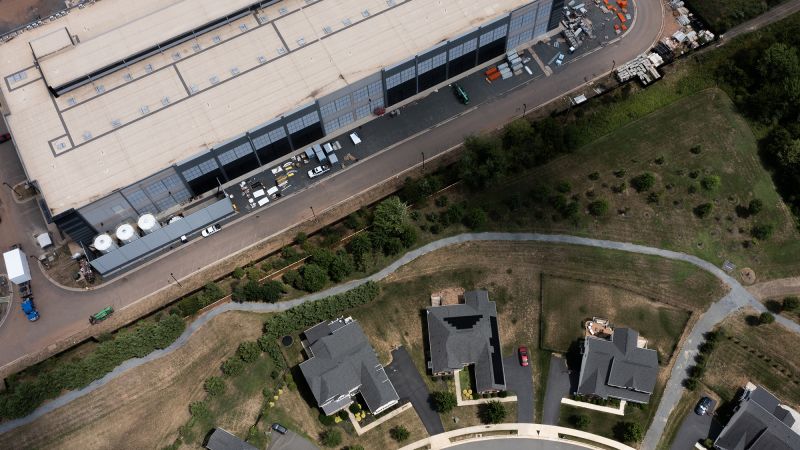
Data centers, which form the backbone of AI technology, require vast amounts of energy to keep servers operational and prevent overheating. However, the United States’ electrical grid is outdated and ill-equipped to handle the demands of a 21st-century economy. The grid consists of three loosely connected segments: the Eastern, Western, and Texas grids, all of which are facing significant strain.
Current State of the Electrical Grid
Experts have long warned that the U.S. electrical grid is not prepared for the increasing demands placed upon it, from severe weather events to the growing energy needs of AI technologies. Ben Hertz-Shargel, an expert in electrification and data centers at Wood Mackenzie, states, “Basically, we have run out of headroom, largely speaking, in the U.S.”
Major tech companies like Microsoft, Amazon, Alphabet, and Meta are ramping up investments in data centers and electricity generation to support new AI models and services. These companies are betting on the necessity of increased energy to remain competitive in the AI landscape. OpenAI has even warned the White House about an “electron gap,” claiming that “electrons are the new oil” in the context of AI advancement.
Challenges in Addressing the Power Problem
Despite the existence of potential solutions to the power problem, various roadblocks hinder their implementation. Solutions such as increasing renewable energy production, enhancing battery development, scaling up traditional energy sources like gas and nuclear power, and expanding the current energy grid’s capacity are all viable options. However, these solutions face both political and practical challenges.
Political and Practical Roadblocks
The industry is actively lobbying at both state and federal levels for policies that would accelerate permitting processes and maintain incentives for private sector investments. The Trump administration had previously recommended relaxing federal regulations and expediting construction permits in an AI action plan. However, the actual delivery of enhanced electrical infrastructure is a complex task.
Immediate Solutions to the Power Crisis
Experts suggest that the most immediate solution lies in maximizing the output from the current electrical grid. Both the Biden and Trump administrations have allocated federal funds to modernize and expand the grid. One method known as “re-conductoring” involves replacing existing transmission lines with ones that have greater capacity, allowing more electrical current to flow through them. This approach is quicker than constructing entirely new transmission lines, which can take seven to ten years to complete.
Exploring New Power Sources
Data center companies are actively searching for spare power capacity at various electrical utilities, including unconventional utilities and cooperatives that have not previously been approached. Renewable energy sources, such as wind and solar, present a promising avenue for addressing the energy shortage. These sources are often cheaper and quicker to deploy compared to the large turbines used in gas-fired power plants.
However, the renewable energy sector has recently faced significant challenges. Lengthy permitting processes initiated during the Trump administration, coupled with congressional Republicans ending tax credits for renewable projects, have hampered development. Andrew Levitt, a consultant at the research firm Brattle, noted that these changes “definitely killed perfectly good wind and solar projects that would have reduced energy prices.”
Future Outlook
Despite the current challenges, there is hope for growth in the renewable energy sector. As the demand for AI technology continues to rise, the urgency for innovative energy solutions will likely drive advancements in energy infrastructure and renewable energy projects. The intersection of AI and energy presents a unique opportunity for both sectors to evolve together, ensuring that the power grid can meet the demands of the future.
Conclusion
In summary, while there are viable solutions to address the power demands of AI, the path forward is fraught with political and practical challenges. The need for modernization of the electrical grid and the expansion of renewable energy sources is critical to support the future of AI technology. As stakeholders continue to navigate these challenges, the collaboration between the tech industry and energy providers will be essential in creating a sustainable power infrastructure.
Note: The information presented in this article is based on data and insights available as of October 2023.