IIT (ISM) Scientists Develop Technology To Convert Plastic Waste Into Clean Hydrogen Fuel
In a significant breakthrough, scientists at the Indian Institute of Technology (Indian School of Mines) in Dhanbad have developed an innovative technology capable of converting plastic waste directly into clean hydrogen fuel. This advancement not only addresses the pressing issue of plastic pollution but also offers a sustainable alternative to conventional fuels amidst global supply chain disruptions.
The Growing Concern of Plastic Pollution
Plastic pollution has emerged as one of the most critical environmental challenges of our time. With millions of tons of plastic waste accumulating in landfills and oceans, the need for effective waste management solutions is more urgent than ever. The ongoing geopolitical tensions, particularly in the Middle East, have further exacerbated concerns over the availability of traditional fuels such as petrol, diesel, and LPG.
Innovative Technology Overview
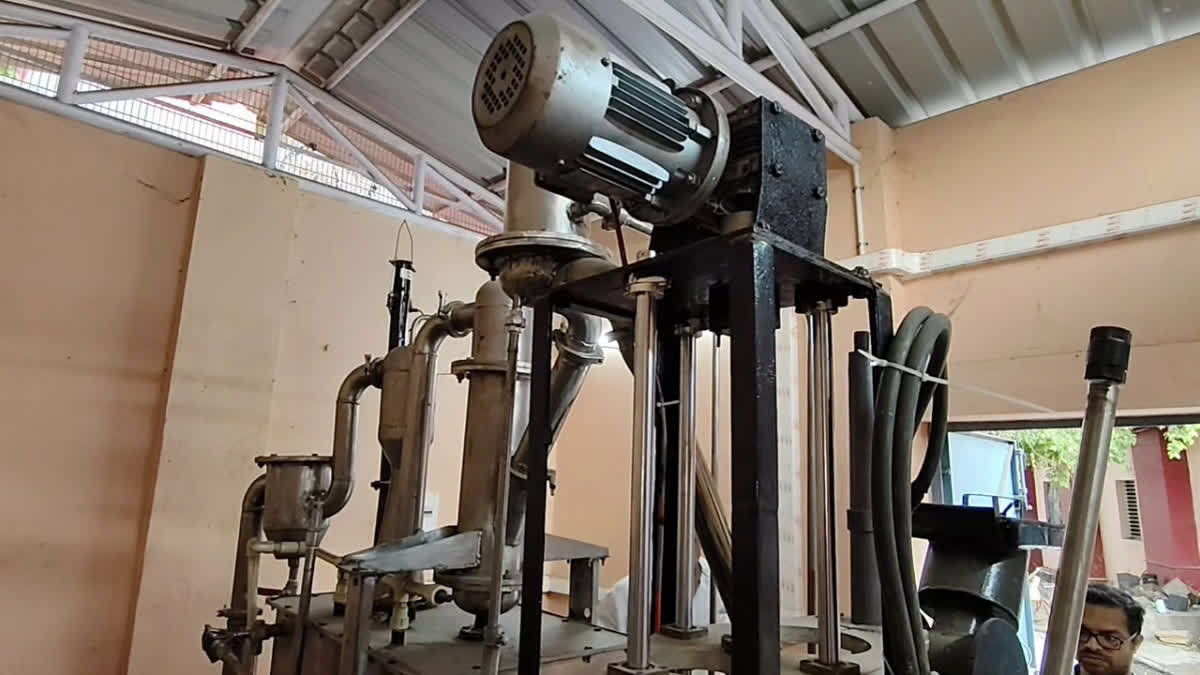
The research team from IIT (ISM), led by Professor Ejaz Ahmad, who heads the Chemical Engineering Department, has designed a plasma reactor-based technology that not only eliminates plastic waste but also produces valuable by-products. The project involved significant contributions from researchers Indramohan and Shiv Shankar Prasad, and it took nearly a year to develop the technology.
Key Features of the Technology
This innovative technology stands out for its ability to generate two high-value outputs:
- Hydrogen Gas: A clean and renewable fuel that can serve as a reliable alternative energy source.
- Carbon Nanotubes: A premium material with applications in advanced industries, including electronics and composite materials.
Benefits of Hydrogen Fuel
Hydrogen fuel is gaining recognition as a clean energy source due to its potential to reduce greenhouse gas emissions. When burned, hydrogen produces only water vapor, making it an environmentally friendly option compared to fossil fuels. The technology developed by IIT (ISM) could provide a sustainable solution to the energy crisis by utilizing plastic waste as a feedstock for hydrogen production.
Economic Viability
The carbon nanotubes generated through this process have a market value exceeding Rs 1 lakh per kilogram. Their diverse applications include:
- Bulletproof jackets
- Electronic devices
- Composite materials
This economic potential makes the technology not only environmentally beneficial but also financially viable, paving the way for investment and scalability.
Addressing Geopolitical Challenges
With the current geopolitical landscape affecting fuel supply chains, the hydrogen produced through this innovative method could serve as a reliable alternative energy source. As countries grapple with energy security, this technology offers a pathway to energy self-reliance for India.
Future Prospects
The laboratory trials conducted by the research team have shown promising results, and the process for securing a patent is currently underway. If implemented on a large scale, this technology could significantly contribute to India’s energy needs while simultaneously tackling the issue of plastic waste management.
Potential for Biomass Processing
In addition to plastic waste, the plasma reactor technology can also process biomass, such as crop residue. This versatility enhances the potential applications of the technology, making it a comprehensive solution for waste management and energy production.
Conclusion
The development of this technology by IIT (ISM) is a remarkable step towards addressing two of the most pressing challenges of our time: plastic waste management and the search for clean energy sources. As the world continues to grapple with environmental issues and energy security, innovations like this could play a crucial role in shaping a sustainable future.
Note: The information presented in this article is based on research and developments reported as of April 2026.