
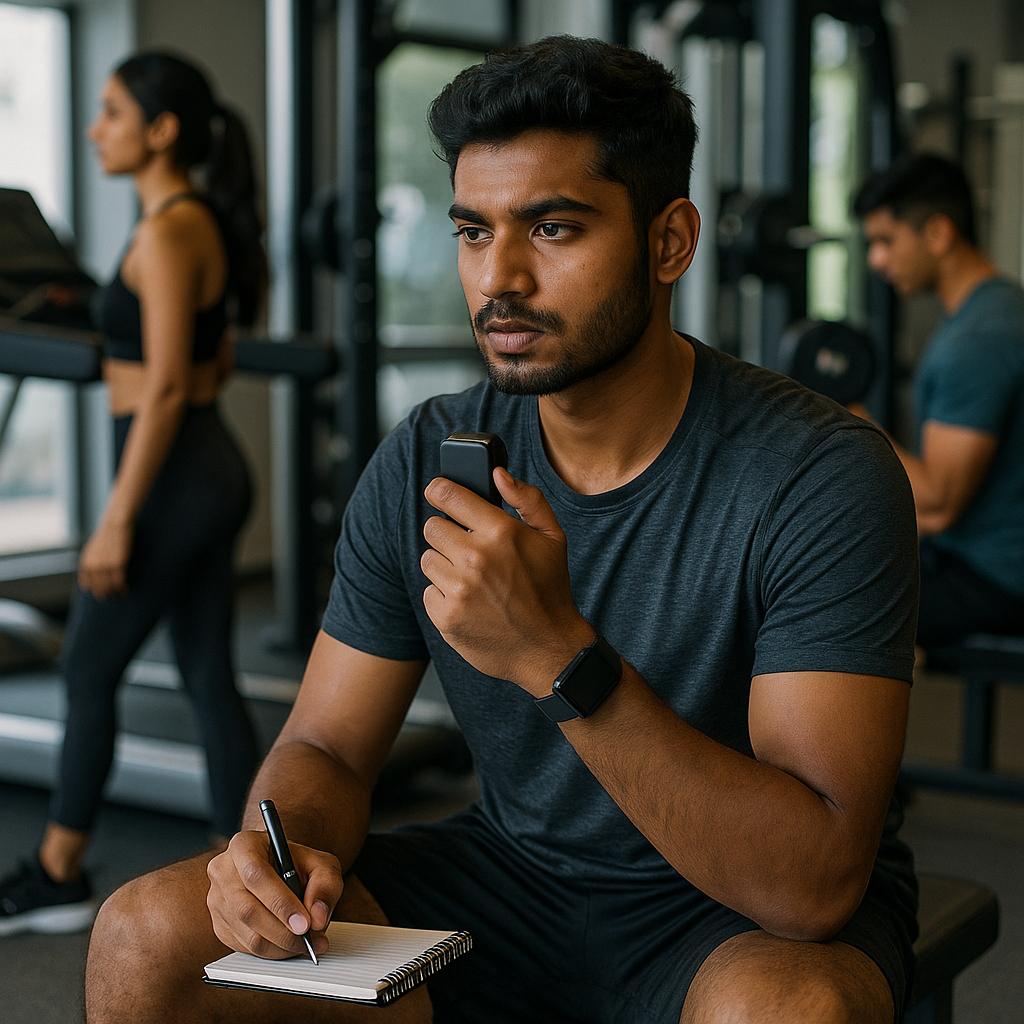
IIIT Hyderabad study finds young Indians blend tech and instinct in fitness routines
In a world where technology plays an increasingly significant role in our daily lives, a recent study from the Indian Institute of Information Technology (IIIT) Hyderabad reveals that young Indians are taking a unique approach to fitness. Rather than allowing fitness tracking apps and smart devices to dictate their routines, these individuals are blending technology with their instincts and everyday experiences.
Overview of the Study
The study, presented at the prestigious CHI Conference on Human Factors in Computing Systems, is titled Everyday HCI of Adaptive Fitness: The Bricolage of Self-Tracking in Urban India. It was conducted by researchers Shivam Singh, Raagav Ramakrishnan, and Chetan Mahipal, under the guidance of Professor Nimmi Rangaswamy. The research highlights how young Indians are negotiating their fitness journeys by integrating various tracking methods rather than strictly adhering to the data provided by fitness apps.
Key Findings
The research involved a year-long qualitative study across several cities, including Gwalior and Hyderabad. It included around 25 participants aged between 18 to 40 years. The researchers employed in-depth interviews and participant observation within gym environments to gain insights into the fitness routines and app usage of these individuals.
Adaptive Usage of Technology
One of the most significant findings of the study is the adaptive usage of fitness technology. Participants reported using smart devices to track their step counts while also maintaining handwritten logs, taking progress photos, and engaging in discussions with peers and trainers. This multifaceted approach allows them to assess their fitness in a way that aligns with their personal experiences and contexts.
The Concept of Bricolage
Professor Nimmi Rangaswamy described this flexible and improvised usage of fitness tracking tools as bricolage. According to her, participants often switch between various apps, logbooks, photos, and conversations, depending on what works best for them in their specific situations. This indicates a more personalized approach to fitness that prioritizes individual needs over rigid adherence to technology.
Cultural Influences on Fitness Routines
The study also uncovered the impact of cultural practices on fitness behaviors. For many participants, fitness routines are not static; they are often adjusted during significant life events such as festivals and weddings. Participants reported feeling little guilt over temporary breaks in their routines during these times, showcasing a balance between fitness goals and cultural obligations.
Importance of Community and Support
Another noteworthy aspect of the study is the role of community and social support in fitness routines. Participants frequently engaged in discussions with friends, family, and trainers about their fitness journeys. This social interaction not only provided motivation but also allowed individuals to share tips and experiences, further enriching their fitness practices.
Implications for Fitness Technology
The findings of this study have significant implications for the development of fitness technology. As young Indians demonstrate a preference for a more personalized and instinctive approach to fitness, developers of fitness apps and devices may need to consider how to better accommodate these preferences. This could involve creating more flexible and adaptable features that allow users to integrate various tracking methods seamlessly.
Future Research Directions
Given the insights gained from this study, future research could explore the following areas:
- How different cultural contexts influence fitness behaviors and technology usage.
- The long-term effects of a bricolage approach on fitness outcomes.
- How technology can evolve to better support adaptive fitness practices.
Conclusion
The IIIT Hyderabad study sheds light on the innovative ways young Indians are approaching fitness in an age dominated by technology. By blending instinct with data, they are forging a path that prioritizes personal experience and cultural context. This adaptive approach not only enriches their fitness journeys but also highlights the need for technology to evolve in tandem with user preferences.
Note: The insights from this study emphasize the importance of understanding user behavior in the development of fitness technologies and the need for a more personalized approach to health and wellness.


