In WA's desert, fusion power races to meet AI demands. Who pays if it fails?
As the world becomes increasingly reliant on artificial intelligence (AI), the demand for energy is skyrocketing. In Western Australia (WA), a unique solution is emerging in the form of fusion power. This cutting-edge technology promises to provide a near-limitless source of energy, but it also raises critical questions about financial responsibility and the potential consequences if it fails.
The Promise of Fusion Power
Fusion power, the process that powers the sun, involves fusing atomic nuclei to release vast amounts of energy. Unlike traditional nuclear fission, which splits atoms and produces long-lived radioactive waste, fusion has the potential to be cleaner and safer. The primary fuel for fusion, isotopes of hydrogen such as deuterium and tritium, can be derived from seawater and lithium, making it abundantly available.
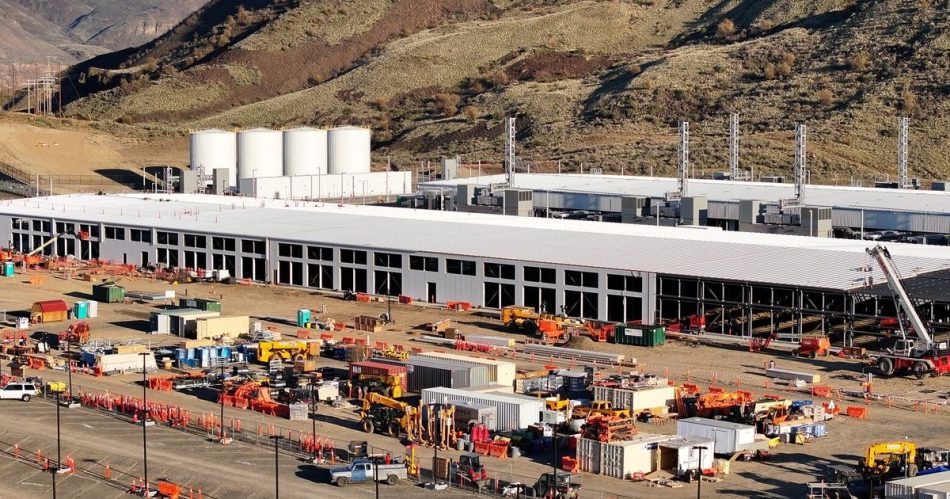
In WA’s arid desert, researchers and engineers are working on developing fusion reactors that could meet the growing energy demands of AI technologies. As AI systems require substantial computational power, the energy needed to sustain these operations is becoming a pressing issue. Fusion power could provide a sustainable and efficient solution.
Current Developments in Fusion Technology
Several organizations are spearheading fusion research in WA. Notably, the Australian Nuclear Science and Technology Organisation (ANSTO) and various private companies are collaborating to advance fusion technology. These initiatives aim to demonstrate the feasibility of fusion as a reliable energy source within the next few decades.
Key Projects and Initiatives
- ITER (International Thermonuclear Experimental Reactor): Although located in France, ITER is a significant international project that aims to demonstrate the viability of fusion energy. Its success could pave the way for similar projects in WA.
- SPARC: This private initiative, backed by MIT and private investors, is focused on developing compact fusion reactors that could be operational by the mid-2020s.
- Local Collaborations: WA is home to several universities and research institutions that are contributing to the fusion research landscape, fostering innovation and attracting talent.
The Energy Demands of AI
The rapid advancement of AI technologies is driving an unprecedented demand for energy. Data centers, which power AI applications, consume enormous amounts of electricity. According to a report by the International Energy Agency (IEA), data centers accounted for about 1% of global electricity demand in 2020, and this figure is expected to rise significantly as AI adoption continues to grow.
As AI becomes more integrated into various sectors, from healthcare to finance, the need for reliable and sustainable energy sources becomes critical. Fusion power could play a pivotal role in meeting these demands, offering a clean alternative to fossil fuels and traditional nuclear power.
Financial Implications and Risks
While the potential benefits of fusion power are substantial, the financial implications of developing this technology are complex. The costs associated with research, development, and construction of fusion reactors are significant. Moreover, there is no guarantee that these projects will succeed within the anticipated timeframe.
Who Bears the Costs?
As fusion technology progresses, questions arise about who will bear the financial burden if these projects fail. Potential stakeholders include:
- Government: Public funding may be necessary to support research and development, leading to taxpayer responsibility if projects do not yield results.
- Private Investors: Companies investing in fusion technology may face significant financial losses if the technology does not become commercially viable.
- Consumers: If costs are passed on to consumers, energy prices could rise, impacting households and businesses alike.
The Path Forward
Despite the challenges, the pursuit of fusion power in WA represents a bold step towards a sustainable energy future. Collaborative efforts between government, academia, and private industry are essential to overcoming the hurdles associated with fusion technology.
Strategies for Success
- Increased Funding: Securing adequate funding from both public and private sources is crucial for the success of fusion projects.
- International Collaboration: Leveraging global expertise and sharing knowledge can accelerate the development of fusion technology.
- Public Engagement: Educating the public about the benefits and risks of fusion power can foster support and understanding.
Conclusion
As Western Australia embarks on the journey to harness fusion power, the stakes are high. The potential to meet the energy demands of AI technologies is immense, but so are the financial risks involved. Ensuring that the costs and responsibilities are equitably shared among stakeholders will be crucial in determining the success of this groundbreaking endeavor.
Note: The information provided in this article is based on current research and developments in fusion technology as of October 2023. Future advancements may alter the landscape of energy production and consumption.