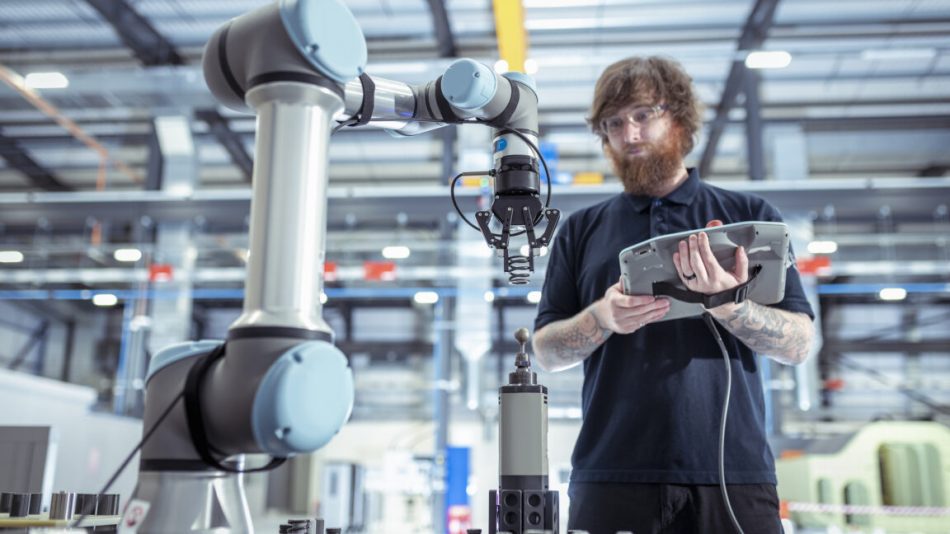
"Kinematic intelligence" helps robots learn their limits
As technology continues to advance, the field of robotics is evolving rapidly. One of the most exciting developments in this area is the concept of “kinematic intelligence.” This innovative approach allows robots to understand their physical capabilities and limitations, enabling them to perform tasks more efficiently and safely. In this article, we will explore what kinematic intelligence is, how it works, and its implications for the future of robotics.
Understanding Kinematic Intelligence
Kinematic intelligence refers to a robot’s ability to analyze and adapt its movements based on its physical structure and the environment it operates in. This involves understanding the kinematics of its joints and limbs, which are the movements and positions of its parts. By leveraging this understanding, robots can optimize their actions and avoid situations that may lead to failure or damage.
The Basics of Kinematics
Kinematics is a branch of mechanics that deals with the motion of objects without considering the forces that cause the motion. In robotics, kinematics is crucial for determining how a robot moves in space. It involves two primary components:
- Forward Kinematics: This calculates the position of the robot’s end effector (e.g., a robotic hand) based on the angles of its joints.
- Inverse Kinematics: This determines the necessary joint angles to achieve a desired position of the end effector.
By mastering these concepts, robots can better navigate their surroundings and perform complex tasks with precision.
The Role of Machine Learning
Machine learning plays a vital role in enhancing kinematic intelligence. Robots can use machine learning algorithms to analyze data from their sensors and learn from their experiences. This allows them to improve their understanding of their capabilities over time. For example, a robot might learn how to adjust its grip strength based on the weight and shape of an object it is manipulating.
Data Collection and Analysis
To develop kinematic intelligence, robots must collect and analyze data from various sources:
- Sensors: Robots are equipped with sensors that provide real-time information about their environment, including distance, weight, and texture of objects.
- Feedback Mechanisms: Robots can use feedback from their actions to assess whether they successfully completed a task or encountered an obstacle.
- Simulation Environments: By testing movements in simulated environments, robots can refine their kinematic models without risking damage in the real world.
Applications of Kinematic Intelligence
The applications of kinematic intelligence are vast and varied. Here are some notable examples:
Manufacturing
In manufacturing, robots equipped with kinematic intelligence can optimize their movements for assembly tasks, reducing cycle times and increasing productivity. They can also adapt to changes in the production line, such as varying product designs or sizes.
Healthcare
In healthcare, surgical robots can utilize kinematic intelligence to perform delicate procedures with high precision. By understanding their limits, these robots can minimize the risk of complications and improve patient outcomes.
Logistics and Warehousing
Logistics robots that navigate warehouses can use kinematic intelligence to avoid obstacles and efficiently transport goods. This capability is particularly important in dynamic environments where the layout may change frequently.
Challenges and Future Directions
Despite the promising advancements in kinematic intelligence, several challenges remain:
Complex Environments
Robots often operate in unpredictable environments filled with obstacles and varying conditions. Developing algorithms that allow robots to adapt to these complexities is an ongoing challenge.
Safety Concerns
As robots become more autonomous, ensuring their safety and the safety of humans around them is paramount. Kinematic intelligence must be paired with robust safety protocols to prevent accidents.
Integration with Other Technologies
Integrating kinematic intelligence with other technologies, such as artificial intelligence and computer vision, will be crucial for the next generation of robots. This integration can enhance decision-making capabilities and improve overall performance.
The Future of Kinematic Intelligence in Robotics
The future of kinematic intelligence in robotics is bright. As researchers continue to explore new algorithms and improve machine learning techniques, we can expect robots to become even more capable and versatile. Here are some potential future developments:
- Enhanced Learning Algorithms: Future robots may be able to learn from fewer examples, allowing them to adapt more quickly to new tasks.
- Collaboration with Humans: Kinematic intelligence could enable robots to work alongside humans more effectively, understanding their movements and intentions.
- Greater Autonomy: As robots become more intelligent, they may be able to operate independently in complex environments, making decisions in real-time.
In conclusion, kinematic intelligence represents a significant leap forward in the field of robotics. By enabling robots to understand their physical limits and adapt their movements accordingly, this technology opens up new possibilities for automation across various industries. As research continues and technology advances, we can expect to see even more innovative applications of kinematic intelligence in the years to come.
Note: The information presented in this article is based on current research and trends in robotics as of October 2023. Future developments may further enhance the capabilities of kinematic intelligence.