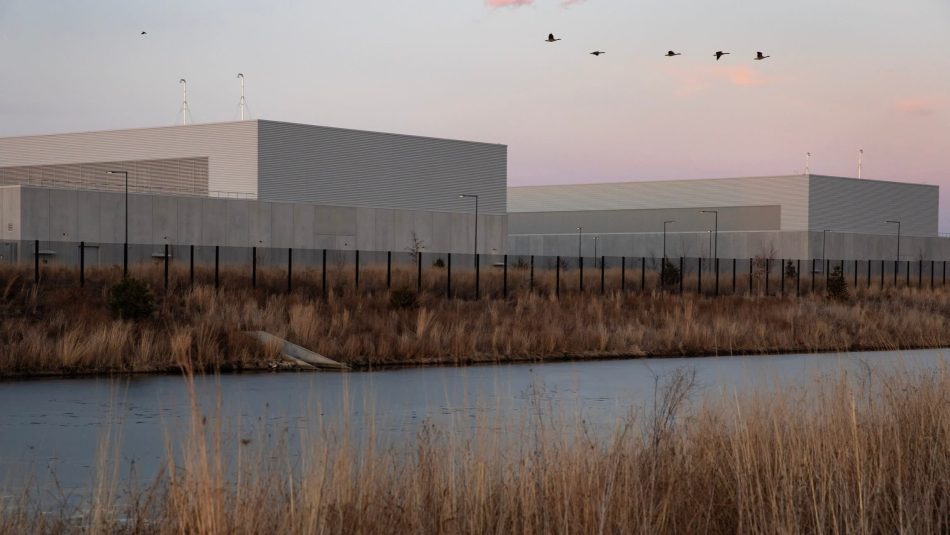
The great American data centre divide
As the digital landscape continues to evolve, data centres have become the backbone of our increasingly connected world. These facilities are crucial for storing, processing, and managing the vast amounts of data generated daily. However, a significant divide exists in the development and distribution of data centres across the United States, highlighting disparities in technology access, economic opportunity, and regional development.
Understanding Data Centres
Data centres are specialized facilities that house computer systems and associated components, such as telecommunications and storage systems. They are essential for businesses, governments, and organizations that rely on data for operations, analytics, and decision-making. The growth of cloud computing, big data analytics, and the Internet of Things (IoT) has further accelerated the demand for data centres.
The Current Landscape
In the U.S., data centres are primarily concentrated in specific regions, particularly in areas like Northern Virginia, Dallas, and Silicon Valley. These locations have become hubs for technology companies and service providers due to their favorable infrastructure, access to energy, and proximity to major population centers. However, this concentration creates a divide that can have far-reaching implications.
Key Regions for Data Centres
- Northern Virginia: Known as the largest data centre market in the U.S., Northern Virginia benefits from its proximity to Washington, D.C., and a robust fiber-optic network.
- Dallas: This region has emerged as a significant data centre market due to its central location, which provides low-latency connectivity to major U.S. cities.
- Silicon Valley: As a global technology hub, Silicon Valley hosts many of the world’s leading tech companies, driving demand for data centre services.
The Divide: Urban vs. Rural
The concentration of data centres in urban areas has led to a stark divide between urban and rural regions. While cities benefit from technological advancements and economic growth, rural areas often struggle with limited access to high-speed internet and data infrastructure. This divide exacerbates existing inequalities, leaving many communities behind in the digital age.
Challenges Faced by Rural Areas
- Limited Infrastructure: Many rural areas lack the necessary infrastructure to support modern data centre operations, including reliable power sources and high-speed internet connectivity.
- Economic Disparities: The absence of data centres in rural regions can hinder local economic development, as businesses may struggle to access the technology needed to compete in a digital economy.
- Talent Drain: Young professionals and tech talent often migrate to urban areas for better job opportunities, leaving rural regions with a shortage of skilled workers.
Environmental Considerations
The environmental impact of data centres is another critical aspect of the discussion surrounding the data centre divide. Data centres consume significant amounts of energy, contributing to carbon emissions and environmental degradation. As demand for data storage and processing continues to rise, the need for sustainable practices becomes increasingly urgent.
Efforts Towards Sustainability
- Renewable Energy: Many data centre operators are investing in renewable energy sources, such as solar and wind, to power their facilities sustainably.
- Energy Efficiency: Implementing energy-efficient technologies and practices can significantly reduce the carbon footprint of data centres.
- Cooling Solutions: Innovative cooling solutions, such as liquid cooling and free-air cooling, are being adopted to minimize energy consumption.
Bridging the Divide
Addressing the data centre divide requires a multi-faceted approach that involves collaboration between government, industry, and communities. Here are some strategies that can help bridge the gap:
Policy Initiatives
- Incentives for Rural Development: Governments can provide tax incentives and grants to encourage data centre development in rural areas, fostering economic growth.
- Investment in Infrastructure: Public-private partnerships can help improve internet connectivity and power infrastructure in underserved regions.
- Workforce Development: Training programs can be established to equip local residents with the skills needed for jobs in the tech industry.
Community Engagement
- Local Partnerships: Data centre operators can collaborate with local businesses and educational institutions to create opportunities for economic development.
- Awareness Campaigns: Educating communities about the benefits of data centres can help garner support for new projects and initiatives.
- Inclusive Planning: Involving community members in the planning process can ensure that local needs and concerns are addressed.
The Future of Data Centres
As technology continues to advance, the future of data centres will likely be shaped by trends such as edge computing, artificial intelligence, and increased demand for data security. These developments present both opportunities and challenges for the industry, particularly in addressing the existing divide.
Emerging Trends
- Edge Computing: The rise of edge computing, which involves processing data closer to the source, may lead to the establishment of smaller data centres in rural areas.
- AI Integration: AI technologies can optimize data centre operations, improving efficiency and reducing environmental impact.
- Enhanced Security: With growing concerns over data privacy and security, data centres will need to adopt robust security measures to protect sensitive information.
Conclusion
The great American data centre divide highlights the need for a concerted effort to ensure equitable access to technology and infrastructure across all regions. By addressing the challenges faced by rural areas and promoting sustainable practices, we can create a more inclusive digital landscape that benefits everyone.
Note: This article aims to provide an overview of the current state of data centres in the U.S. and the implications of their uneven distribution. It is essential to consider the ongoing developments in technology and policy as we move forward.