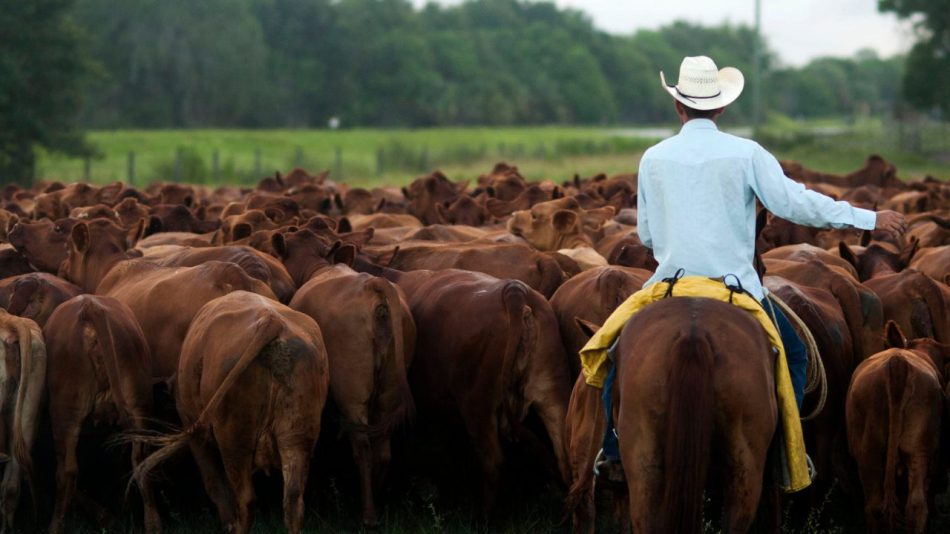
As cattle herds shrink and beef prices rise, investors back AI cow collars
In recent years, the agricultural sector has faced significant challenges, particularly in the cattle industry. As cattle herds shrink and beef prices soar, innovative solutions are being sought to address these pressing issues. One such solution is the introduction of artificial intelligence (AI) technology in the form of high-tech collars for cattle. This article explores the implications of this technology, the current state of the cattle industry, and the investment landscape surrounding these advancements.
The Current State of the Cattle Industry
The U.S. cattle herd has shrunk to its smallest size in 75 years, a trend driven by a combination of factors including prolonged droughts, rising operational costs, and an aging workforce in ranching. As a result, beef prices have surged, causing concern among consumers and industry stakeholders alike.
According to economists, the outlook for beef prices remains grim, with no immediate relief in sight. The reduction in cattle numbers has created a supply-demand imbalance, leading to higher prices at the grocery store. This situation has prompted farmers to seek innovative ways to reduce costs and improve efficiency.
AI Technology in Agriculture
Amid these challenges, AI technology is emerging as a potential game changer for the agricultural sector. One notable company at the forefront of this innovation is Halter, a New Zealand-based startup that specializes in AI cow collars. These collars are designed to monitor cattle behavior and health, allowing farmers to manage their herds more effectively while minimizing labor costs.
The technology behind these collars includes GPS tracking, health monitoring sensors, and behavioral analysis algorithms. By utilizing AI, farmers can gain valuable insights into their cattle’s movements and health, enabling them to make informed decisions that can enhance productivity and reduce operational costs.
Investment in AI Cow Collars
Investors are increasingly recognizing the potential of AI technology in agriculture. Halter is currently in discussions to raise new funding, with reports indicating that billionaire Peter Thiel’s Founders Fund is leading the investment round. The funding is expected to significantly boost the company’s valuation, potentially exceeding $2 billion.
The interest from investors highlights a growing belief that AI can play a crucial role in addressing the challenges faced by the cattle industry. As farmers look to lower expenses and improve efficiency, the adoption of AI technology could become a vital part of their operational strategies.
Benefits of AI Cow Collars
The implementation of AI cow collars offers several benefits for cattle ranchers:
- Labor Cost Reduction: With the aging ranching workforce, finding skilled labor has become increasingly difficult. AI collars can automate many tasks traditionally performed by ranch hands, reducing the need for manual labor.
- Improved Herd Management: The collars provide real-time data on cattle health and behavior, allowing farmers to monitor their herds more effectively and respond to issues promptly.
- Enhanced Efficiency: By analyzing movement patterns and health metrics, farmers can optimize feeding and grazing strategies, ultimately improving productivity.
- Data-Driven Decisions: The insights gained from AI technology empower farmers to make informed decisions that can lead to better outcomes for their operations.
Challenges and Considerations
While the potential benefits of AI cow collars are significant, there are also challenges and considerations that must be addressed:
- Initial Investment: The cost of implementing AI technology can be a barrier for some farmers, particularly small-scale operations.
- Data Privacy: As with any technology that collects data, concerns about data privacy and security must be taken into account.
- Adaptation to Technology: Some farmers may be resistant to adopting new technologies, especially those who have relied on traditional methods for generations.
The Future of AI in Agriculture
The integration of AI technology into agriculture, particularly in the cattle industry, represents a significant shift in how farmers manage their operations. As the challenges of labor shortages and rising costs continue to mount, solutions like AI cow collars could become essential tools for ranchers.
Moreover, as consumer demand for beef remains strong, the need for efficient and sustainable farming practices will only grow. By leveraging technology, farmers can not only address current challenges but also position themselves for future success in an increasingly competitive market.
Conclusion
As the cattle industry grapples with shrinking herds and rising beef prices, the adoption of AI technology, such as cow collars, presents a promising avenue for improvement. With significant investments flowing into this sector, the future of cattle ranching may very well hinge on the successful integration of artificial intelligence into everyday practices. As farmers adapt to these changes, the landscape of agriculture is poised for transformation.
Note: The information provided in this article is based on current trends and developments in the agricultural sector as of October 2023.