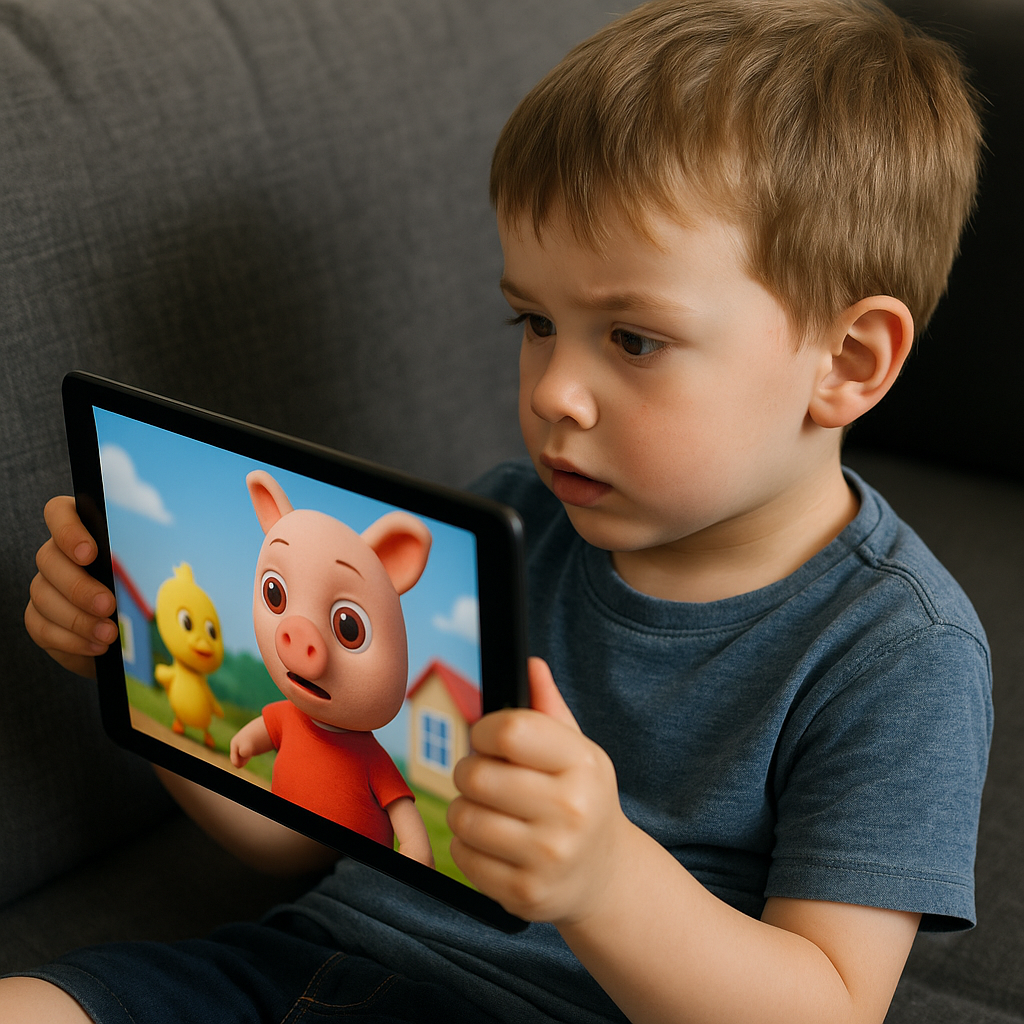
Google Wants To Know If Your Kids Will Watch AI Slop Videos
In recent years, the rise of artificial intelligence (AI) has transformed many aspects of our lives, including how we consume content. One of the most significant shifts has been in the realm of video production, where AI-generated content is becoming increasingly prevalent. Google, a leading player in the tech industry, is keenly interested in understanding how this new wave of AI-generated videos affects children’s viewing habits.
The Rise of AI-Generated Content
AI-generated content refers to videos, images, and text created using algorithms and machine learning techniques. These technologies allow for the rapid production of content that can mimic human creativity. For instance, AI can generate animated characters, create storylines, and even produce music. While this innovation has opened up new avenues for creativity, it also raises important questions about the quality and appropriateness of such content for children.
Understanding Children’s Viewing Habits
As AI continues to evolve, understanding how children interact with AI-generated content is crucial for parents, educators, and content creators. Google is particularly interested in this area, as it seeks to tailor its platforms to better serve young audiences. The company is conducting research to determine whether children are drawn to AI-generated videos, often referred to as “AI slop” for their sometimes low-quality and nonsensical nature.
What Are AI Slop Videos?
AI slop videos are typically characterized by their lack of coherent storytelling, poor production quality, and often bizarre or nonsensical content. These videos are usually generated by algorithms that scrape existing media and remix it without a clear understanding of context or narrative. While some may find these videos entertaining, others express concern about their impact on children’s development and understanding of quality content.
The Impact of AI Slop Videos on Children
Research indicates that the type of content children consume can significantly influence their cognitive and emotional development. Exposure to high-quality, educational content can foster critical thinking and creativity, while low-quality content may hinder these skills. Here are some potential impacts of AI slop videos on children:
- Attention Span: Rapidly changing visuals and nonsensical narratives may lead to shorter attention spans, making it difficult for children to engage with more complex content.
- Understanding of Reality: Children may struggle to differentiate between reality and fiction, especially if they are exposed to bizarre or unrealistic scenarios.
- Creativity: While some argue that AI-generated content can inspire creativity, others worry that it may stifle original thought by presenting a limited range of ideas.
- Social Skills: Excessive screen time, particularly with low-quality content, may reduce opportunities for social interaction and play, which are crucial for developing interpersonal skills.
Google’s Research Initiatives
To address these concerns, Google is actively researching how children interact with AI-generated content. The company is exploring various methodologies to gather data, including surveys, focus groups, and observational studies. Some key areas of focus include:
1. Content Quality Assessment
Google is examining the quality of AI-generated videos and how they compare to traditional content. This involves analyzing factors such as narrative coherence, production quality, and educational value.
2. Viewer Engagement
The company is investigating how children engage with AI slop videos versus high-quality content. This includes measuring watch time, interaction rates, and feedback from young viewers.
3. Parental Insights
Understanding parental perspectives is crucial. Google is collecting data on how parents perceive AI-generated content and their concerns regarding its impact on their children.
What Parents Can Do
As AI-generated content becomes more prevalent, parents play a vital role in guiding their children’s media consumption. Here are some strategies for parents to consider:
- Monitor Viewing Habits: Keep track of what your children are watching. Encourage them to share their thoughts on the content and discuss what they find entertaining or confusing.
- Encourage Critical Thinking: Ask questions about the videos they watch. Encourage children to think critically about the content and its messages.
- Promote Quality Content: Introduce children to high-quality educational videos and programs that foster learning and creativity.
- Set Limits: Establish boundaries for screen time to ensure a healthy balance between digital consumption and other activities.
The Future of AI in Children’s Content
As technology continues to advance, the landscape of children’s content will undoubtedly evolve. Google and other tech companies are likely to invest in developing AI tools that can create high-quality, engaging content tailored for young audiences. The challenge will be to balance innovation with the need for quality and appropriateness.
In conclusion, while AI-generated content presents exciting opportunities, it is essential to remain vigilant about its potential impacts on children. Ongoing research and parental involvement will be key in navigating this new digital landscape.
Note: The information provided in this article is based on current trends and research as of October 2023. It is important for parents and educators to stay informed about developments in AI and its implications for children’s media consumption.