Hachette pulls Shy Girl horror novel after concerns about AI use
In a significant decision that has sparked discussions within the literary community, Hachette Book Group has announced the withdrawal of the horror novel titled Shy Girl. This decision comes in the wake of rising concerns regarding the use of artificial intelligence (AI) in the writing process of the book. The move has raised questions about the implications of AI in creative fields and the ethical considerations surrounding its use.
The Background of Shy Girl
Shy Girl was initially set to be a groundbreaking horror novel that aimed to explore themes of isolation, fear, and the psychological impacts of technology on human relationships. The book was anticipated to resonate with a wide audience, particularly in a time when discussions about the role of technology in society are more relevant than ever.
Concerns Over AI Usage
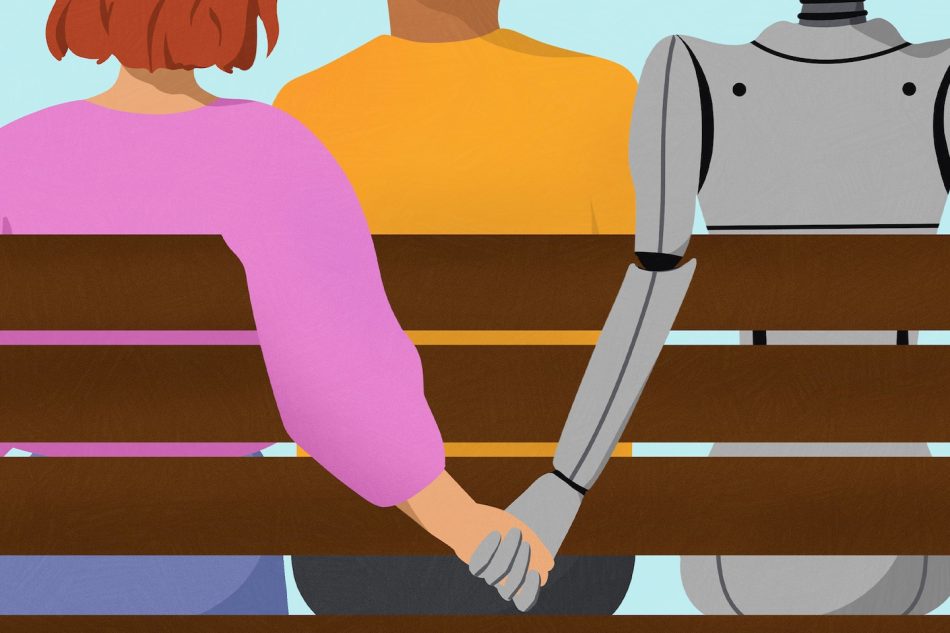
As the literary world continues to evolve, the integration of AI in the creative process has become a topic of intense debate. In the case of Shy Girl, reports surfaced that the author had utilized AI tools to assist in the writing process. This revelation led to a backlash from various stakeholders, including readers, authors, and critics, who expressed concerns about the authenticity and originality of the work.
Ethical Implications
The ethical implications of using AI in literature are profound. Many argue that relying on AI for creative writing undermines the essence of storytelling, which is deeply rooted in human experience and emotion. Critics of AI-generated content contend that it lacks the nuanced understanding of human feelings and cultural contexts that a human author brings to their work.
Industry Reactions
The decision by Hachette to pull Shy Girl has elicited a variety of responses from the literary community. Some authors have voiced their support for the decision, emphasizing the importance of maintaining the integrity of literature. Others, however, have defended the use of AI as a tool that can enhance creativity rather than diminish it.
- Support for Hachette’s Decision: Many authors and literary critics have praised Hachette for prioritizing authenticity in literature. They argue that the decision reflects a commitment to preserving the human element in storytelling.
- Defense of AI in Writing: Conversely, some writers have pointed out that AI can serve as a valuable resource for brainstorming and overcoming writer’s block. They argue that when used responsibly, AI can complement a writer’s creative process rather than replace it.
The Future of AI in Literature
As the debate surrounding AI in literature continues, it raises important questions about the future of writing and publishing. Will traditional publishing houses adopt stricter guidelines regarding the use of AI in the creative process? Or will they find ways to integrate AI responsibly while ensuring that the human touch remains at the forefront of storytelling?
Potential Guidelines for AI Use
In light of the controversy surrounding Shy Girl, it may be beneficial for the publishing industry to establish clear guidelines regarding the use of AI in writing. Some potential guidelines could include:
- Transparency: Authors should disclose the extent to which AI has been used in their writing process, allowing readers to make informed choices about the works they engage with.
- Human Oversight: AI-generated content should always involve significant human input and oversight to ensure that the final product reflects the author’s voice and intent.
- Ethical Standards: Publishers could develop ethical standards for the use of AI in writing, ensuring that it is used in a way that respects the integrity of the creative process.
Conclusion
The decision by Hachette to withdraw Shy Girl highlights the complexities and challenges posed by the integration of AI in literature. As technology continues to advance, the literary community must navigate the delicate balance between innovation and authenticity. While AI has the potential to enhance the writing process, it is crucial to prioritize the human elements that make storytelling meaningful.
Note: The discussion surrounding AI in literature is ongoing, and it is essential for authors, publishers, and readers to engage in conversations about the ethical implications and future of creative writing in the age of technology.