
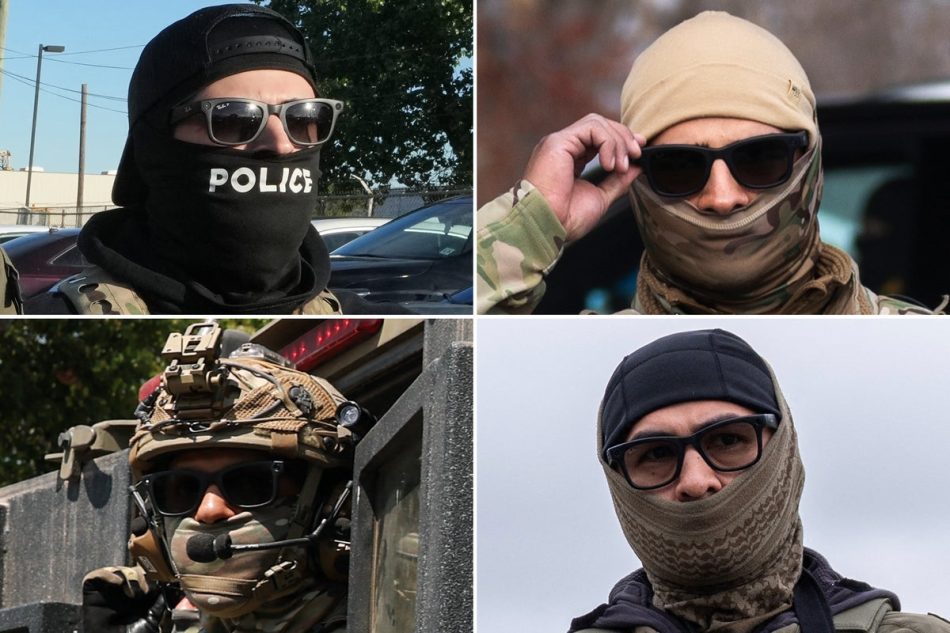
Immigration agents are using Meta’s AI glasses — and critics are alarmed
In recent years, the use of advanced technology by immigration agents in the United States has raised significant concerns among civil liberties advocates and the general public. Reports have emerged indicating that agents from the Immigration and Customs Enforcement (ICE) and Border Patrol are utilizing Meta’s AI smart glasses to surveil communities. This development has sparked alarm among critics who fear that such technology could exacerbate the ongoing crackdown on dissent and civil rights.
Background on Surveillance Technology
The increasing deployment of surveillance technology by government agencies has been a growing trend, particularly under the Trump administration. Immigration agents have been seen using body cameras and facial recognition technology during operations across various U.S. cities. Over the past year, these agencies have arrested nearly 400,000 immigrants and have had violent confrontations with protesters.
Meta’s AI Smart Glasses
Meta’s AI smart glasses come equipped with advanced features including voice-controlled AI for real-time analysis, video recording capabilities, and live streaming functionalities. These glasses can potentially transmit video and images to facial recognition software or law enforcement databases, raising serious privacy concerns.
Concerns Raised by Civil Liberties Experts
Critics, including civil liberties groups and surveillance analysts, have expressed alarm over the implications of immigration agents using personal technology for surveillance. Patrick G. Eddington, a senior fellow at the Cato Institute, emphasized the risks associated with the widespread use of such devices, especially in the context of the Trump administration’s stance on dissent. He pointed out that peaceful protest and observation of government employees are protected under the First Amendment and should not be recorded or stored in government databases.
Legal and Ethical Implications
The use of personal devices by government agents for recording citizens raises significant legal and ethical questions. While federal agents are required to follow strict guidelines when using government-issued body cameras, the use of personal devices for surveillance circumvents these regulations. This lack of oversight creates a potential for abuse and misuse of recorded data.
Recent Developments in Courtrooms
Concerns about the use of smart glasses have also reached the judicial system. In a recent court case involving Meta CEO Mark Zuckerberg, a judge warned that anyone using smart glasses to record in her courtroom would face contempt charges. This incident highlights the growing awareness of the implications of recording technology in sensitive environments.
Government Response and Policy
The Department of Homeland Security (DHS) has stated that it does not have a contract with Meta for the use of these glasses. However, DHS policy allows agents to wear their own sunglasses, although they are not authorized to record with personal devices. This loophole has raised concerns about the lack of accountability and oversight in the use of surveillance technology.
Impact on Civil Liberties
The implications of immigration agents using smart glasses extend beyond privacy concerns. The Trump administration’s characterization of citizens who film or protest against agents as potential national security threats has created a chilling effect on free speech and civil liberties. A September national security memo categorized criticisms of law enforcement and border control as indicators of domestic terrorism, further complicating the landscape for activists and citizens alike.
Public Reaction and Advocacy
Public reaction to the use of Meta’s AI glasses by immigration agents has been largely negative. Civil rights organizations have called for greater transparency and accountability in the use of surveillance technology. They argue that the potential for abuse is too great, and that the rights of citizens to protest and document government actions must be safeguarded.
Calls for Regulation
Advocates are urging lawmakers to establish clearer regulations regarding the use of surveillance technology by government agencies. They emphasize the need for policies that protect citizens’ rights while ensuring that law enforcement can operate effectively without infringing on civil liberties.
Conclusion
The emergence of Meta’s AI smart glasses in the hands of immigration agents represents a significant development in the intersection of technology and civil rights. As surveillance technology becomes more pervasive, it is crucial for society to engage in a dialogue about the implications for privacy, free speech, and government accountability. The ongoing use of these devices by immigration agents raises urgent questions that must be addressed to protect the rights of all citizens.
Note: This article reflects the current state of affairs regarding the use of surveillance technology by immigration agents and the concerns raised by various stakeholders. Ongoing discussions and advocacy efforts are essential to ensure that civil liberties are upheld in the face of advancing technology.


