This AI artist wants African heritage to ‘live forever’
In an era where technology and culture intersect, Nigerian artist and filmmaker Malik Afegbua is pioneering a project that aims to preserve African heritage through artificial intelligence. His initiative, known as the Rememory project, seeks to recreate lost heritage sites in Africa, ensuring that the stories and histories of the continent are not forgotten.
The Rememory Project
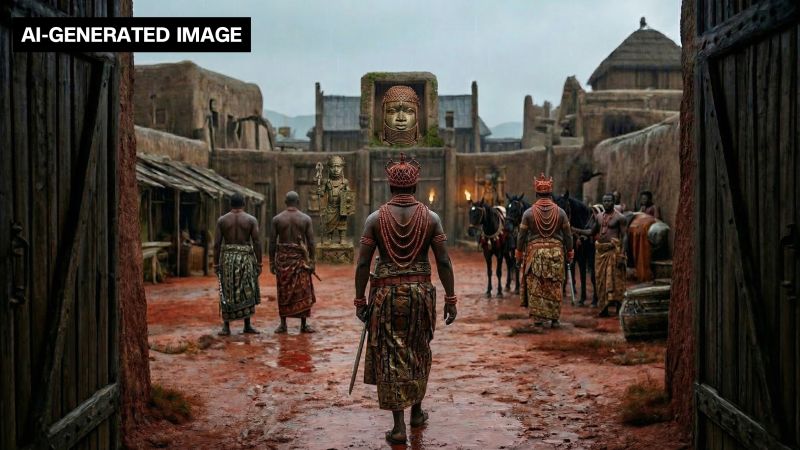
Malik Afegbua’s Rememory project focuses on the historical Benin City, located in modern-day Nigeria. This city flourished between the 13th and 19th centuries, boasting a rich cultural and historical significance. However, in 1897, British soldiers invaded and destroyed much of the city, leaving only traces of its former glory in the present-day metropolis.
Afegbua’s objective is to utilize AI technology to recreate the lost aspects of Benin City, including its walls and defensive ramparts. These earthworks, which once stood at 18 meters (59 feet) tall and extended over 1,200 kilometers (746 miles), are now in disrepair, with only sections remaining. By basing his AI recreations on historical records and academic studies, Afegbua hopes to provide an interactive experience for users through phones, computers, or virtual reality.
Preserving African Stories
The inspiration for the Rememory project stemmed from Afegbua’s earlier work at the Kofar Mata dye pits in Kano, Nigeria. These dye pits have been operational for over five centuries and are renowned for producing traditional indigo-dyed cloth. Concerned about the potential loss of this cultural heritage, Afegbua created a virtual reality film documenting the dye pits, ensuring that their legacy would be preserved, even if the practice were to fade away.
The film was recognized as a finalist in the “Future Africa: Telling Stories, Building Worlds” program, an initiative by Meta, the parent company of Facebook, which focuses on fostering the next generation of Extended Reality creators in Africa.
LegacyLink: A New Dimension of Preservation
In addition to the Rememory project, Afegbua is also working on a groundbreaking initiative called LegacyLink. This project aims to interview elders across Africa, recording their life stories and creating “digital twins” of them. These digital representations will be displayed as holograms in public spaces, such as airports, allowing people to engage in conversations with these digital elders.
Afegbua’s vision for LegacyLink is to make these interactions feel as real as possible. Users will be able to ask questions about the elders’ lives and experiences, with AI generating responses based on Afegbua’s interviews. He also plans to develop an online chatbot to make the project more accessible to a wider audience.
Current Progress and Future Plans
As of now, the LegacyLink project is in its early stages. Afegbua has successfully interviewed 15 individuals in Nigeria and has plans to expand his efforts to Kenya and Cameroon, aiming to conduct a total of 1,000 interviews by 2028. He emphasizes the importance of making the final project available in multiple languages, recognizing that AI technology may not fully capture the nuances of various African languages. Therefore, he is relying on human translations to ensure accuracy and authenticity.
Initially, some of the elders Afegbua approached were hesitant to share their stories, citing ancestral beliefs that discouraged the disclosure of personal histories. To address these concerns, he presented a slideshow that illustrated the significance of preserving their narratives for future generations.
The Importance of Cultural Preservation
African culture is rich and diverse, encompassing thousands of languages and traditions. However, the loss of elders and their stories poses a significant threat to this heritage. As the saying goes, “When an elder dies, a library burns to the ground.” Afegbua understands the weight of this metaphor, as he himself has experienced a lack of familial historical knowledge. He stated, “I don’t know what my great-grandfather looks like. I don’t have stories about him.”
Through his innovative projects, Afegbua aims to create a digital library of African heritage that will endure for generations to come. By combining technology with cultural storytelling, he hopes to ensure that the voices of elders are not silenced and that their wisdom continues to resonate within the community.
Conclusion
Malik Afegbua’s work exemplifies the potential of technology to bridge the gap between the past and the future. By using AI to preserve African heritage, he is not only celebrating the rich history of the continent but also ensuring that future generations have access to the stories and experiences of their ancestors. As he continues to expand his projects, the hope is that African heritage will indeed “live forever.”
Note: This article highlights the innovative efforts of Malik Afegbua in preserving African heritage through technology, emphasizing the importance of cultural storytelling and the role of elders in maintaining the richness of African history.