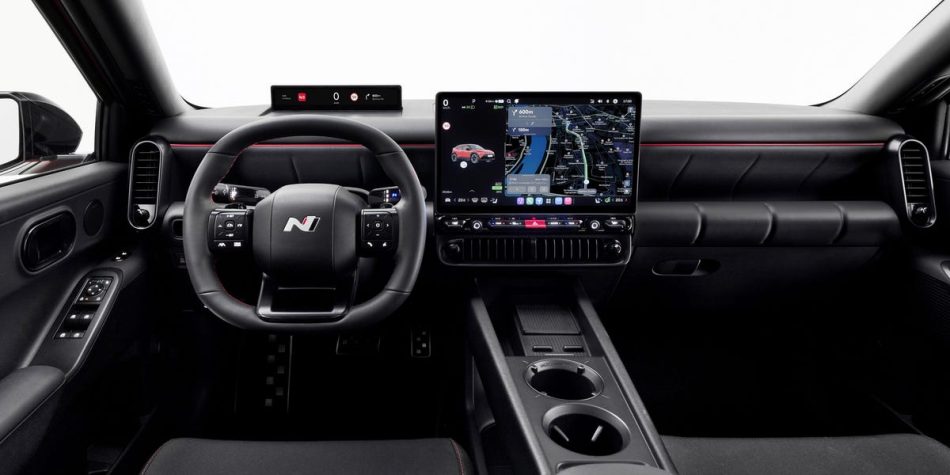
Hyundai's Next-Gen Infotainment Embraces AI and Keeps Real Buttons
In an era where technology is rapidly evolving, automotive manufacturers are continually seeking ways to enhance the driving experience through innovative infotainment systems. Hyundai, a leader in the automotive industry, has recently unveiled its next-generation infotainment system that seamlessly integrates artificial intelligence (AI) while retaining the tactile feel of physical buttons. This combination aims to provide drivers with a more intuitive and user-friendly interface.
The Evolution of Infotainment Systems
Infotainment systems have come a long way since their inception. Initially, these systems focused on providing basic functionalities such as radio and navigation. Over the years, they have evolved to include features like smartphone integration, voice recognition, and advanced navigation systems. However, as technology advanced, many manufacturers opted for touchscreens, often sacrificing the tactile feedback that physical buttons provide.
Hyundai’s Approach to Infotainment
Hyundai’s latest infotainment system marks a significant shift in the automotive industry. By incorporating AI technology, Hyundai aims to create a more personalized experience for drivers. The system is designed to learn from user preferences and behaviors, allowing it to anticipate needs and offer tailored suggestions.
Key Features of Hyundai’s Next-Gen Infotainment System
- AI Integration: The AI component allows the system to learn and adapt to individual driver habits, making it easier to access frequently used features.
- Physical Buttons: Unlike many competitors that have moved entirely to touchscreen interfaces, Hyundai has retained physical buttons for essential functions. This decision enhances usability, especially while driving.
- Enhanced Voice Recognition: The voice recognition capabilities have been significantly improved, enabling drivers to control various functions hands-free, ensuring safety and convenience.
- Intuitive Interface: The user interface has been redesigned to be more intuitive, making it easier for drivers to navigate through different features without distraction.
- Smartphone Integration: The system supports both Android Auto and Apple CarPlay, allowing users to connect their devices seamlessly.
The Importance of Physical Buttons
One of the standout features of Hyundai’s infotainment system is the inclusion of physical buttons. This decision is rooted in the understanding that while touchscreens offer a modern aesthetic, they can be distracting and less intuitive when driving. Physical buttons provide a tactile feedback that allows drivers to operate the system without taking their eyes off the road.
Benefits of Retaining Real Buttons
- Safety: Physical buttons allow drivers to make adjustments without needing to focus on the screen, reducing the risk of accidents.
- Ease of Use: Familiarity with traditional controls can make it easier for users to operate the system, especially for those who may not be tech-savvy.
- Quick Access: Essential functions can be accessed quickly without navigating through multiple screens, which can be time-consuming and distracting.
AI-Powered Personalization
The integration of AI in Hyundai’s infotainment system is designed to enhance the overall driving experience. By analyzing driver behavior and preferences, the system can provide personalized recommendations and shortcuts. For example, if a driver frequently listens to a particular playlist during their commute, the system can automatically suggest it when it detects the driver is on their way to work.
How AI Enhances User Experience
- Learning Preferences: The AI can learn from user interactions, allowing it to adapt to individual preferences over time.
- Predictive Suggestions: The system can anticipate needs based on past behavior, making it easier for drivers to access the features they use most.
- Voice Commands: Enhanced voice recognition enables the system to understand and execute commands more accurately, providing a smoother experience.
Future of Infotainment Systems
As technology continues to advance, the future of infotainment systems looks promising. Manufacturers are exploring new ways to integrate AI, augmented reality, and other cutting-edge technologies. Hyundai’s commitment to blending AI with traditional controls sets a precedent for future developments in the automotive industry.
Trends to Watch
- Increased Connectivity: Future systems will likely offer even more connectivity options, allowing for seamless integration with smart devices and home automation systems.
- Augmented Reality: The use of augmented reality in navigation and driver assistance systems is on the rise, providing drivers with enhanced situational awareness.
- Enhanced Safety Features: As AI technology improves, we can expect to see more safety features that help prevent accidents and enhance the overall driving experience.
Conclusion
Hyundai’s next-generation infotainment system represents a significant advancement in automotive technology. By embracing AI while retaining the practicality of physical buttons, Hyundai has created a user-friendly interface that prioritizes safety and convenience. As the automotive industry continues to evolve, Hyundai’s innovative approach may serve as a model for other manufacturers looking to enhance their infotainment offerings.
Note: This article is based on information available as of October 2023 and may be subject to change as new developments occur in the automotive industry.