
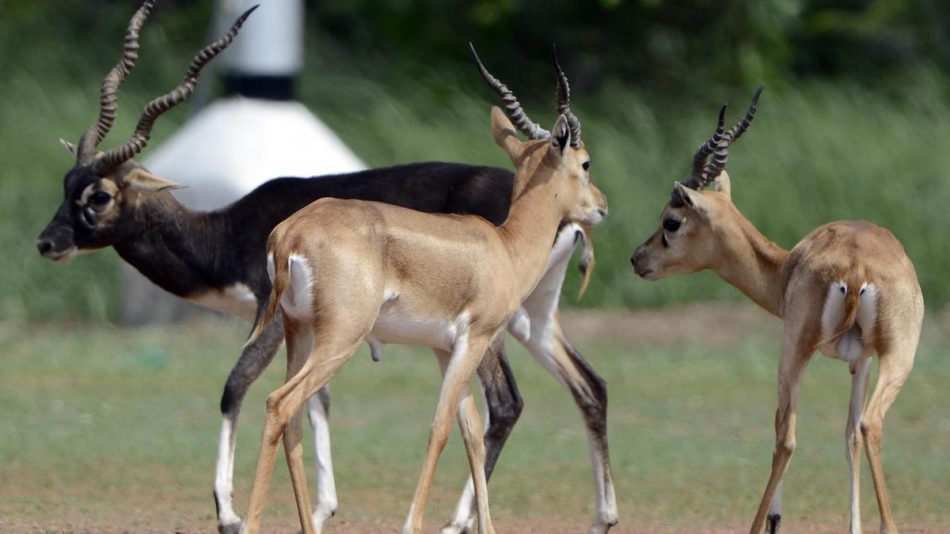
IIT-M reports sharp rise in blackbuck population on campus over six years
The Indian Institute of Technology Madras (IIT-M) has reported a significant increase in its blackbuck population, rising from just 12 individuals in 2021 to an impressive 77 in 2026. This remarkable growth reflects the successful conservation efforts undertaken by the institute on its expansive 611-acre campus, which is part of the Guindy National Park ecosystem.
Historical Context
The blackbuck, a species native to the Indian subcontinent, has faced numerous challenges over the years. Historically, the population on the IIT-M campus saw a drastic decline from several hundred in the 1980s to fewer than 20 by 2003. This decline was attributed to various environmental pressures and habitat disturbances.
Conservation Measures Implemented
In response to the alarming decline in blackbuck numbers, IIT-M implemented a series of targeted conservation measures aimed at stabilizing and increasing the population:
- Reduction of Speed Limits: After several wildlife casualties were reported in 2024, the institute took the initiative to reduce speed limits on campus roads. This measure aimed to protect the animals from vehicular accidents.
- Removal of Fences: The removal of certain fences allowed for greater movement of blackbucks across the campus, facilitating their natural behaviors and breeding practices.
- Control of Stray Dog Populations: Stray dogs pose a significant threat to wildlife. IIT-M undertook measures to control the stray dog population, thereby reducing predation risks for the blackbucks.
- Closure of Wells: The closure of wells that were previously accessible to wildlife helped to minimize disturbances and protect the blackbucks’ habitat.
Impact of Conservation Efforts
The combination of these measures has not only stabilized the blackbuck population but has also created a more conducive environment for their growth. The increase from 12 to 77 blackbucks over six years is a testament to the effectiveness of these conservation strategies.
Environmental Sensitivity of Blackbucks
Blackbucks are highly sensitive to environmental changes and territorial disturbances. They prefer open grasslands interspersed with patches of taller vegetation, which provide both breeding grounds and protection from predators. The IIT-M campus, with its diverse ecosystem, offers an ideal habitat for these animals.
Community Engagement and Awareness
In addition to physical conservation measures, IIT-M has also focused on raising awareness among students and staff about the importance of wildlife conservation. Educational programs and workshops have been organized to inform the campus community about the ecological significance of blackbucks and the need for their protection.
Future Conservation Plans
Looking ahead, IIT-M plans to continue its conservation efforts by:
- Monitoring Population Dynamics: Regular monitoring of the blackbuck population will help in understanding their behavior and health, allowing for timely interventions if necessary.
- Enhancing Habitat Quality: Efforts will be made to further enhance the habitat quality by planting native vegetation and maintaining grasslands.
- Collaboration with Wildlife Experts: Collaborating with wildlife conservationists and researchers will provide insights into best practices for managing the blackbuck population.
- Community Involvement: Engaging the local community and stakeholders will be crucial in ensuring the long-term success of conservation initiatives.
Conclusion
The rise in blackbuck population at IIT-M is a positive indicator of successful wildlife conservation efforts. By implementing strategic measures and fostering a culture of awareness and respect for wildlife, IIT-M has set a benchmark for other institutions. The journey of the blackbucks on campus serves as a reminder of the delicate balance between human activity and wildlife preservation.
Note: The information presented in this article is based on reports from IIT-M and reflects the status of blackbuck conservation efforts as of May 2026.


