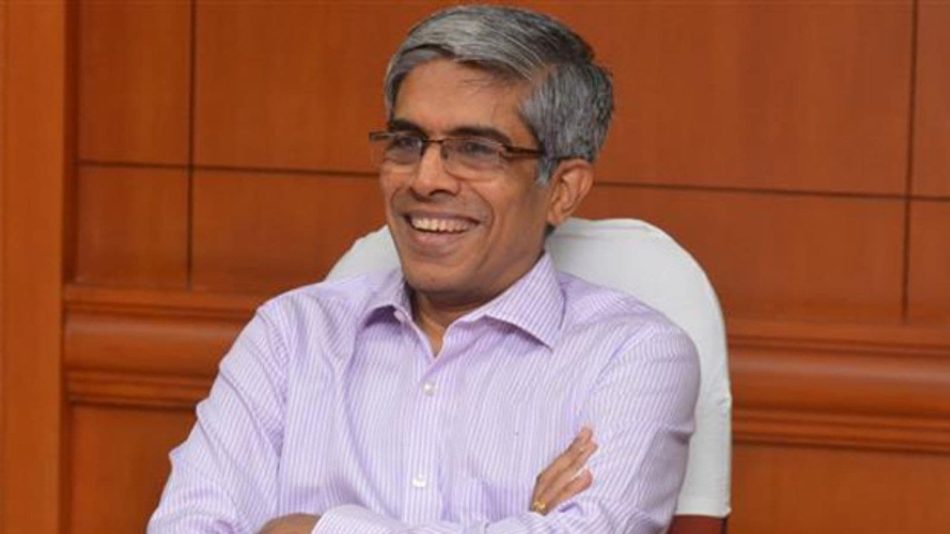
More Youngsters Entering Workforce, Creating More Income: IIT Madras Ex-Director
The workforce landscape in India is undergoing a significant transformation, with an increasing number of young individuals entering various sectors and contributing to the economy. According to the former director of the Indian Institute of Technology (IIT) Madras, this trend is not only beneficial for the youth but also for the overall economic growth of the nation.
The Changing Demographics of the Workforce
India has one of the youngest populations in the world, with a median age of around 28 years. This demographic advantage is increasingly being leveraged as more young people seek employment opportunities. The ex-director of IIT Madras highlighted that the influx of young talent into the workforce is crucial for driving innovation and productivity across various industries.
Factors Contributing to Increased Youth Employment
Several factors have contributed to the rise in youth employment in India:
- Educational Reforms: The Indian education system has seen significant improvements, with a focus on skill development and vocational training. This has equipped young individuals with the necessary skills to meet industry demands.
- Technological Advancements: The rise of technology and digital platforms has created new job opportunities in sectors such as IT, e-commerce, and digital marketing, attracting young job seekers.
- Entrepreneurial Spirit: There has been a notable increase in entrepreneurship among the youth, with many opting to start their own businesses, contributing to job creation.
- Government Initiatives: Various government schemes aimed at promoting employment and skill development have played a pivotal role in facilitating youth entry into the workforce.
Economic Impact of Youth Employment
The entry of more young individuals into the workforce is expected to have several positive economic implications:
- Increased Income Levels: As more young people secure jobs, household incomes are likely to rise, leading to improved living standards and greater purchasing power.
- Boost to Consumer Spending: With higher disposable incomes, young workers are expected to contribute significantly to consumer spending, which is vital for economic growth.
- Innovation and Productivity: Young professionals often bring fresh ideas and perspectives, driving innovation and enhancing productivity within organizations.
- Long-term Economic Growth: A robust workforce composed of skilled young individuals can lead to sustained economic growth and development in the long run.
Challenges Faced by Young Job Seekers
Despite the positive trends, young job seekers still face several challenges:
- Skill Mismatch: There is often a gap between the skills acquired through education and those required by employers, leading to difficulties in finding suitable employment.
- Job Market Competition: With a growing number of graduates entering the job market, competition for available positions can be fierce, making it challenging for some to secure jobs.
- Economic Uncertainty: Economic fluctuations and uncertainties can impact hiring trends, affecting the availability of jobs for young individuals.
- Geographical Disparities: Employment opportunities are often concentrated in urban areas, leaving rural youth with limited access to job prospects.
Strategies for Enhancing Youth Employment
To address these challenges and further enhance youth employment, several strategies can be implemented:
- Strengthening Education and Training: Educational institutions should collaborate with industries to ensure that curricula are aligned with market needs, focusing on skill development and practical training.
- Promoting Entrepreneurship: Encouraging young individuals to pursue entrepreneurship through mentorship programs, funding, and resources can help create more job opportunities.
- Increasing Awareness of Job Opportunities: Government and private sector initiatives can help raise awareness about available job opportunities and career paths among young job seekers.
- Supporting Rural Employment Initiatives: Developing programs that focus on creating job opportunities in rural areas can help bridge the employment gap between urban and rural youth.
Conclusion
The increasing participation of young individuals in the workforce presents a significant opportunity for India’s economic growth. With the right support and strategies in place, this trend can lead to enhanced productivity, innovation, and overall prosperity. It is essential for stakeholders, including educational institutions, government bodies, and the private sector, to work collaboratively to address the challenges faced by young job seekers and to harness their potential for the benefit of the economy.
Note: The insights presented in this article are based on the observations and statements made by the ex-director of IIT Madras regarding the current trends in youth employment in India.