
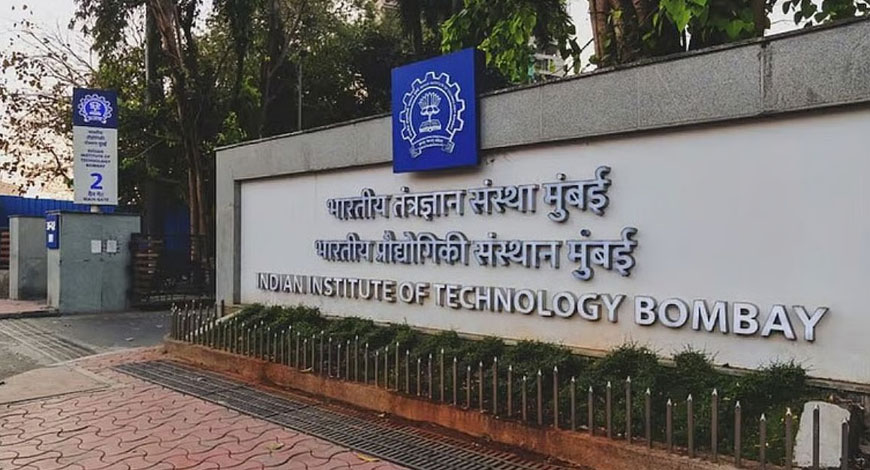
IIT Bombay Joins D2M Push, Boosting India’s Next-Gen Broadcast Vision
February 05, 2026 – India’s ambition towards next-generation broadcasting is gaining momentum as the Indian Institute of Technology (IIT) Bombay joins the Direct-to-Mobile (D2M) ecosystem. This collaboration signifies a robust alignment between academia, public broadcasters, and industry innovators, which is crucial for the advancement of broadcasting technologies in the country.
Understanding the D2M Ecosystem
The Direct-to-Mobile (D2M) initiative aims to deliver television and video content directly to smartphones without overloading existing mobile networks. This innovative approach is expected to enhance the viewing experience by providing high-quality content seamlessly. The involvement of IIT Bombay, alongside other institutions like IIT Kanpur and Tejas Networks, is pivotal in advancing research, setting standards, and developing prototypes for this technology.
Current Developments in D2M Trials
Ongoing D2M trials are being conducted in collaboration with Prasar Bharati, India’s public service broadcaster. These trials are taking place across various cities and are essential for testing the feasibility and effectiveness of D2M technology. The participation of IIT Bombay is expected to enrich these trials, bringing new insights and expertise to the table.
Key Objectives of the D2M Initiative
- To facilitate the direct delivery of broadcast content to mobile devices.
- To reduce the load on mobile networks while enhancing the quality of service.
- To create a scalable and interoperable broadcasting solution that can be widely adopted.
- To foster collaboration between academic institutions, industry players, and public broadcasters.
The Role of IIT Bombay
IIT Bombay’s involvement is set to add significant depth to the D2M initiative. The institute is renowned for its research capabilities and technological innovations. By joining the D2M ecosystem, IIT Bombay aims to:
- Contribute to the development of new technologies and standards for D2M broadcasting.
- Enhance the research on spectrum optimization and device readiness for D2M technologies.
- Support the transition from pilot deployments to fully scalable solutions.
Impact on India’s Broadcasting Landscape
The collaboration between IIT Bombay and the D2M initiative is expected to have a transformative impact on India’s broadcasting landscape. With multiple IITs involved, the technology stack for D2M is likely to become more robust, leading to:
- Improved broadcast efficiency and quality.
- Greater spectrum efficiency, allowing for more channels and content delivery.
- Enhanced resilience of broadcast networks, making them more reliable for users.
- Preparation for mass-market adoption of D2M technologies.
Future Prospects of D2M in India
As India continues to explore architectures that facilitate the direct delivery of TV and video content to smartphones, the D2M initiative is poised to play a crucial role in the evolution of broadcasting technologies. The integration of D2M with cellular networks could lead to:
- A more converged broadcast-telecom network that meets the demands of modern consumers.
- Innovative content delivery methods that enhance user engagement.
- Opportunities for new business models in the broadcasting and telecommunications sectors.
Collaboration and Innovation
The success of the D2M initiative hinges on collaboration among various stakeholders, including:
- Academic institutions like IIT Bombay and IIT Kanpur.
- Public broadcasters such as Prasar Bharati.
- Industry innovators and technology companies like Tejas Networks.
This collaborative approach is essential for driving innovation and ensuring that the technology developed is practical, scalable, and effective in meeting the needs of consumers.
Conclusion
The entry of IIT Bombay into the D2M ecosystem marks a significant step forward in India’s journey towards next-generation broadcasting. By leveraging the expertise of academic institutions and collaborating with industry leaders, India is well-positioned to create a broadcasting landscape that is efficient, resilient, and ready for the future. As the D2M initiative progresses, it is expected to pave the way for a new era of content delivery that meets the evolving needs of consumers in a digital world.
Note: This article is based on information available as of February 2026 and aims to provide insights into the developments within India’s broadcasting sector.


