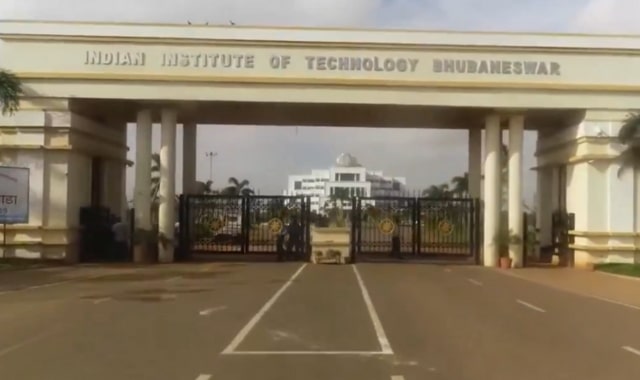
IIT Bhubaneswar research group develops satellite based technology for bauxite prospecting
Bhubaneswar, January 14, 2026 – A team of researchers at the Indian Institute of Technology (IIT) Bhubaneswar has made significant strides in the field of mineral exploration by developing a cost-effective satellite-based technology specifically for bauxite prospecting in the state of Odisha. This innovation comes at a crucial time as the global aluminum market is projected to face a supply shortfall by 2030, highlighting the need for a stable domestic supply of this essential raw material.
Importance of Bauxite
Bauxite is the primary ore of aluminum and serves as a critical raw material for various industries, including:
- Aerospace
- Construction
- Packaging
With India holding significant bauxite reserves, ensuring efficient exploration and sustainable management of these resources has become a strategic priority for the country.
Research Team and Recognition
The research group is led by Assistant Professor Ashim Sattar and was recently recognized for their innovative work at the 4th Odisha Mining and Infrastructure International Conference 2026. Their findings were published in the Journal of Geochemical Exploration, marking a significant contribution to the field of mineral exploration.
Innovative Techniques Utilized
The team successfully identified potential bauxite depositional sites across the Koraput and Rayagada districts of Odisha using advanced hyperspectral satellite remote sensing technology. The study integrated multiple methodologies, including:
- Hyperspectral satellite data
- Field surveys
- Geochemical assessments
- Petrographic studies
- Laboratory spectral studies
These combined techniques provide a robust framework for the first-order mapping of potential bauxite deposits, representing the first large-scale remote sensing-based assessment of bauxite zones in Odisha.
Challenges in Traditional Exploration
Odisha is home to an estimated 2.3 billion tonnes of bauxite reserves, accounting for over 50% of India’s total resources. However, much of this mineral is located in the challenging terrains of the Eastern Ghats. Traditional exploration methods are often:
- Time-consuming
- Expensive
- Environmentally intensive
These challenges necessitate the adoption of innovative technologies that can streamline the exploration process while minimizing environmental impact.
Hyperspectral Imaging and Its Advantages
The IIT Bhubaneswar team utilized hyperspectral imaging, which leverages the concept of spectral signatures. A spectral signature is a distinctive pattern of electromagnetic response from earth materials, which can be used to detect potential bauxite-bearing zones effectively. This technique offers several advantages:
- Cost-effective
- Rapid
- Eco-friendly
By employing this method, the research team aims to support sustainable mineral exploration not only in Odisha but also in other regions.
Implications for the Mining Industry
The findings from this research are expected to have a profound impact on the mining industry and policymakers. Key implications include:
- Identification of potential bauxite exploration zones
- Optimization of resource management
- Minimization of environmental impacts associated with mining activities
This initiative lays the groundwork for next-generation mineral mapping and sustainable resource management practices, which are essential for balancing economic growth with environmental stewardship.
Conclusion
The development of satellite-based technology for bauxite prospecting by the IIT Bhubaneswar research group represents a significant advancement in mineral exploration. By integrating advanced remote sensing techniques with traditional field assessments, the team has created a framework that not only enhances the efficiency of resource identification but also prioritizes sustainability. As the global demand for aluminum continues to rise, such innovative approaches will be crucial in ensuring that India can meet its domestic needs while minimizing environmental impacts.
Note: This article is based on information available as of January 2026 and has not been edited by The Week.