IIT Bhubaneswar team pioneers satellite method for bauxite exploration
The Indian Institute of Technology (IIT) Bhubaneswar has made a significant advancement in the field of mineral exploration by developing a novel satellite-based method for identifying bauxite deposits. This innovative approach not only enhances the efficiency of mineral exploration but also promises to reduce the environmental impact associated with traditional mining methods.
Understanding Bauxite and Its Importance
Bauxite is an essential raw material used primarily in the production of aluminum. As the demand for aluminum continues to grow, driven by its applications in various industries such as construction, transportation, and packaging, the need for efficient and sustainable bauxite exploration methods has become increasingly critical.
The Traditional Methods of Bauxite Exploration
Traditionally, bauxite exploration involves extensive field surveys, geological mapping, and drilling. These methods can be time-consuming, labor-intensive, and often lead to significant environmental degradation. Furthermore, they may not always yield accurate results, leading to inefficient resource allocation.
The Innovative Satellite-Based Method
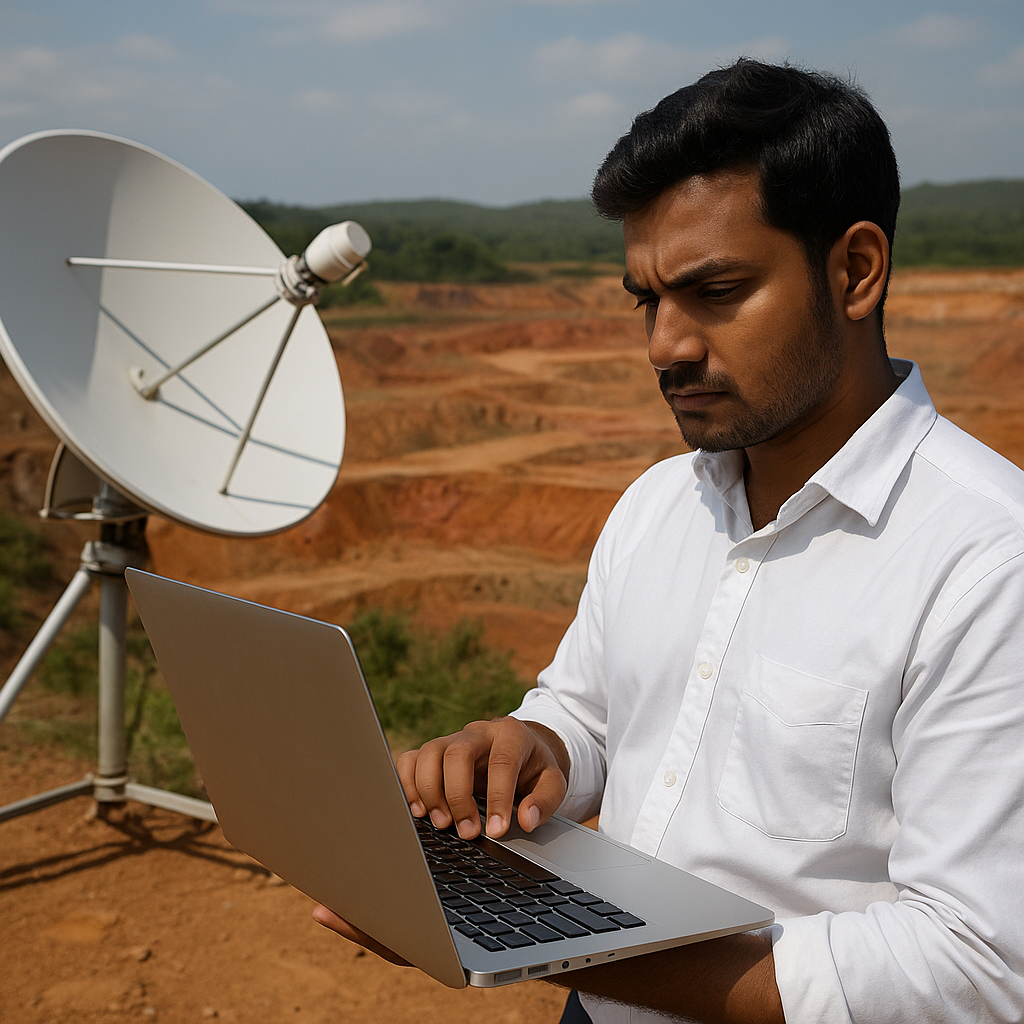
The team at IIT Bhubaneswar has harnessed the power of satellite technology to create a more effective means of locating bauxite deposits. This method utilizes remote sensing techniques to analyze satellite imagery, allowing researchers to identify potential bauxite-rich areas with greater accuracy.
Key Features of the Satellite Method
- Remote Sensing Technology: The method employs advanced remote sensing technology to capture high-resolution images of the Earth’s surface.
- Data Analysis: The team uses sophisticated algorithms to analyze the spectral signatures of different minerals, enabling them to distinguish bauxite from other geological formations.
- Cost-Effectiveness: By reducing the need for extensive field surveys, this method significantly lowers the costs associated with mineral exploration.
- Environmental Benefits: The satellite-based approach minimizes the ecological footprint of exploration activities, preserving natural habitats and reducing land disturbance.
Research and Development Process
The development of this satellite-based method involved a multi-disciplinary approach, combining expertise from geology, remote sensing, and data science. The research team conducted extensive field studies to validate their findings and ensure the reliability of the satellite data.
Collaboration and Support
The project received support from various governmental and non-governmental organizations, which recognized the potential of this innovative approach to transform mineral exploration in India. Collaborations with industry partners also played a crucial role in refining the technology and ensuring its practical applicability.
Implications for the Mining Industry
The introduction of this satellite-based method has far-reaching implications for the mining industry in India and beyond. Some of the potential benefits include:
Increased Efficiency
By streamlining the exploration process, mining companies can reduce the time and resources spent on locating bauxite deposits. This increased efficiency can lead to faster project initiation and reduced operational costs.
Enhanced Resource Management
The ability to accurately identify bauxite-rich areas allows for better resource management. Companies can prioritize their exploration efforts, ensuring that they focus on the most promising sites.
Environmental Sustainability
With a reduced need for invasive exploration techniques, the satellite method supports sustainable mining practices. This is particularly important in a world increasingly concerned with environmental conservation and responsible resource extraction.
Future Prospects
The success of this satellite-based method opens the door for further research and development in the field of mineral exploration. The IIT Bhubaneswar team plans to expand their research to include other minerals, potentially revolutionizing the way mining companies approach exploration.
Potential for Global Application
This innovative method is not limited to bauxite exploration in India. The techniques developed by the IIT Bhubaneswar team can be adapted for use in other countries, particularly those with rich mineral resources but limited exploration capabilities. By sharing this technology globally, the team aims to contribute to sustainable mining practices worldwide.
Conclusion
The pioneering work by the IIT Bhubaneswar team in developing a satellite method for bauxite exploration represents a significant step forward in the mining industry. By combining advanced technology with sustainable practices, this innovative approach not only promises to streamline mineral exploration but also to protect the environment for future generations.
Note: The advancements in satellite technology and its application in mineral exploration highlight the importance of interdisciplinary research and collaboration in addressing contemporary challenges in resource management.