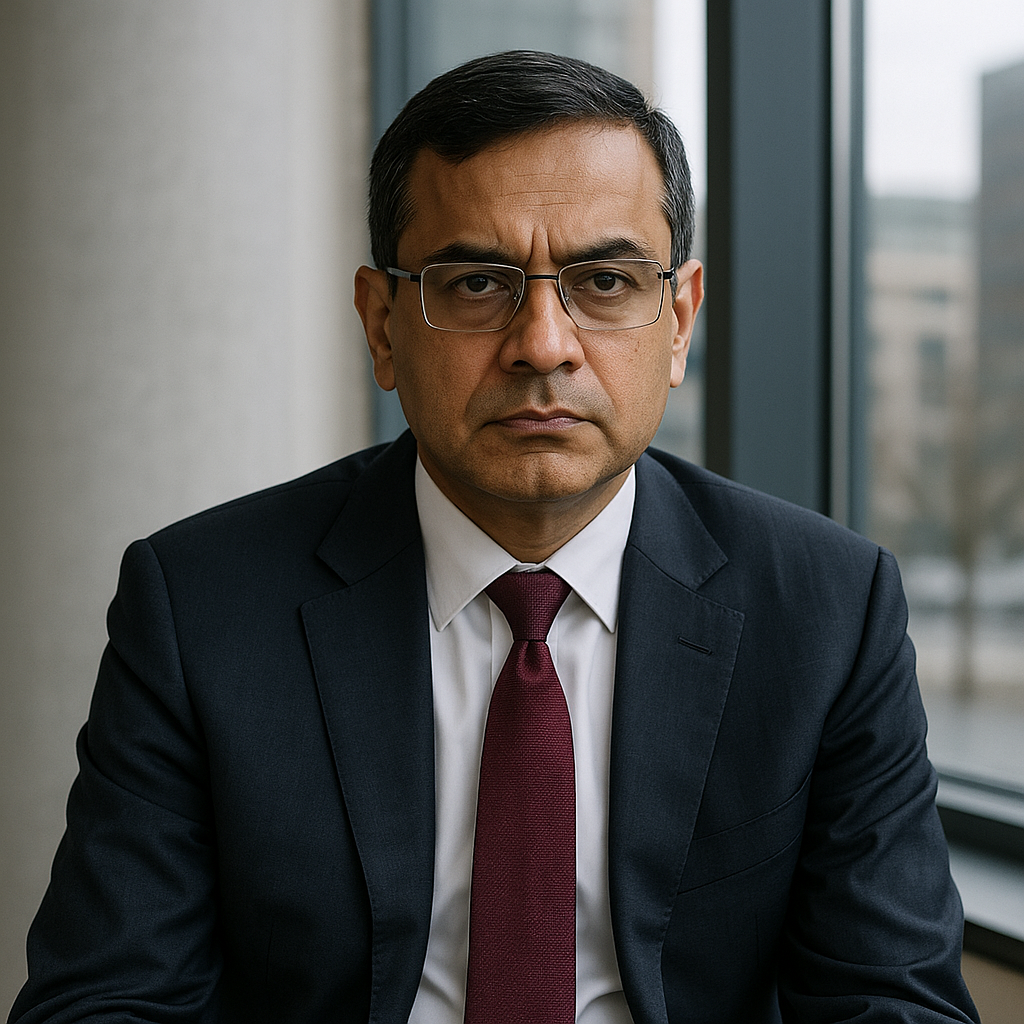
Temple Economy Skyrockets: IIM-Lucknow Lauds Economic Renaissance of Ayodhya Post-Ram Mandir Inauguration
Ayodhya, a city steeped in religious significance and historical importance, is witnessing a remarkable transformation following the inauguration of the Ram Mandir. This monumental event has not only rejuvenated the spiritual landscape of the city but has also sparked a significant economic renaissance, as highlighted by the Indian Institute of Management (IIM) Lucknow.
The Ram Mandir: A Catalyst for Change
The Ram Mandir, dedicated to Lord Ram, is not just a religious structure; it is a symbol of cultural identity for millions of Hindus around the world. The temple’s inauguration has led to a surge in pilgrim footfall, with estimates suggesting that millions are expected to visit Ayodhya in the coming years. This influx of visitors is set to transform the local economy.
Economic Impact of Increased Tourism
With the temple now open, Ayodhya is experiencing an unprecedented boom in tourism. The economic impact can be seen in several key areas:
1. Hospitality Sector Growth
Hotels, guesthouses, and dharamshalas (religious lodges) are witnessing a significant increase in bookings. Local entrepreneurs are investing in expanding their facilities to accommodate the growing number of visitors. This growth in the hospitality sector is creating jobs and boosting local businesses.
2. Local Businesses Flourishing
Local vendors selling religious artifacts, souvenirs, and food are experiencing a surge in sales. The demand for traditional handicrafts and local delicacies has increased, providing artisans and small business owners with new opportunities to thrive.
3. Infrastructure Development
The government is investing in infrastructure development to support the influx of tourists. Improvements in roads, transportation facilities, and public amenities are underway, which will not only enhance the visitor experience but also contribute to the long-term growth of Ayodhya.
IIM-Lucknow’s Insights on Economic Renaissance
The Indian Institute of Management (IIM) Lucknow has conducted a comprehensive analysis of the economic changes in Ayodhya post-Ram Mandir inauguration. The institute’s findings highlight several key factors contributing to the economic renaissance:
1. Job Creation
The temple’s inauguration has led to the creation of thousands of jobs across various sectors, including hospitality, retail, and construction. This job creation is crucial for the local population, providing them with stable income sources.
2. Investment Opportunities
As the city gains prominence as a pilgrimage destination, investors are showing interest in Ayodhya. The potential for new businesses and startups is increasing, leading to a more vibrant economic landscape.
3. Sustainable Development
IIM-Lucknow emphasizes the importance of sustainable development in Ayodhya. The focus is on balancing economic growth with environmental preservation, ensuring that the city’s natural beauty and cultural heritage are maintained.
Challenges Ahead
Despite the positive developments, Ayodhya faces several challenges that need to be addressed to ensure sustainable growth:
1. Infrastructure Strain
The rapid increase in tourism can strain existing infrastructure. It is crucial for local authorities to plan and implement necessary upgrades to avoid congestion and ensure a pleasant experience for visitors.
2. Environmental Concerns
With increased foot traffic, environmental concerns such as waste management and pollution must be prioritized. Sustainable practices should be adopted to protect the city’s natural resources.
3. Cultural Preservation
As Ayodhya transforms into a bustling tourist hub, there is a risk of losing its cultural essence. Efforts must be made to preserve the city’s rich heritage while accommodating modern developments.
Community Involvement
Community involvement is vital for the success of Ayodhya’s economic renaissance. Local residents, businesses, and government authorities must collaborate to create a sustainable and inclusive growth model. Initiatives such as:
- Community workshops on sustainable tourism practices
- Involvement of local artisans in tourism projects
- Public forums for residents to voice concerns and suggestions
Conclusion
The inauguration of the Ram Mandir has indeed marked the beginning of a new era for Ayodhya. The economic renaissance driven by increased tourism, investment opportunities, and community involvement presents a unique opportunity for the city to thrive. However, it is essential to address the challenges that come with rapid growth to ensure that Ayodhya remains a vibrant and culturally rich destination for generations to come.
Note: This article reflects the current state of Ayodhya’s economy and the ongoing developments following the Ram Mandir inauguration. Future updates will provide insights into the long-term impacts of these changes.