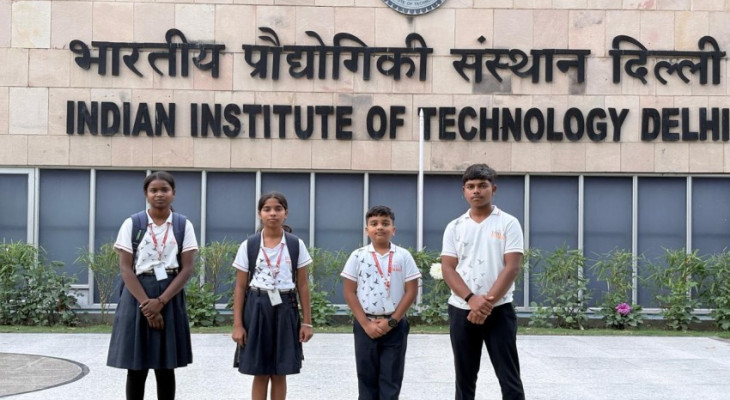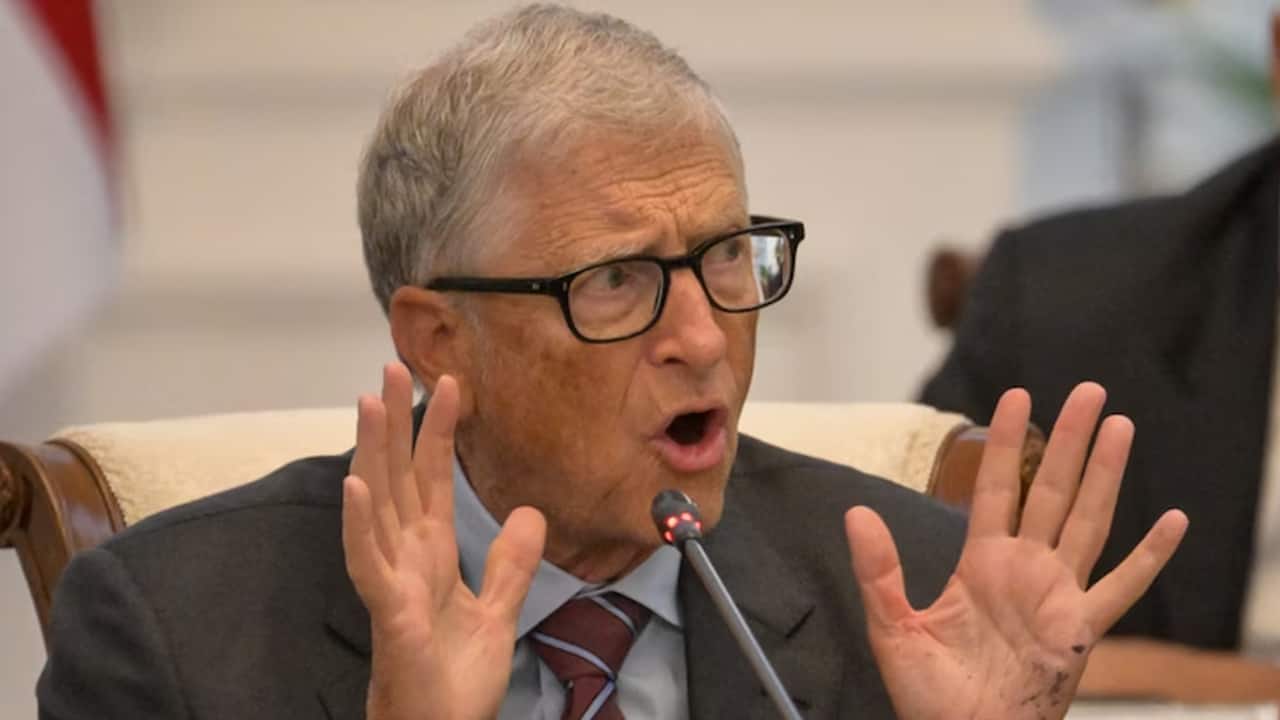
‘Who allowed him?’: Ex-AAP Leader Slams Bill Gates Speaking at IIT Delhi Amid Epstein Files Row
In a recent controversy, former Aam Aadmi Party (AAP) leader Kumar Vishwas has publicly criticized the decision to invite Bill Gates to speak at the Indian Institute of Technology (IIT) Delhi. This criticism comes in the wake of renewed interest in the Epstein files, which have sparked discussions about the connections of high-profile individuals to Jeffrey Epstein, a financier and convicted sex offender.
The Context of the Controversy
The invitation extended to Bill Gates, co-founder of Microsoft and prominent philanthropist, has raised eyebrows among various political and social circles in India. Kumar Vishwas, known for his outspoken views, took to social media to question the appropriateness of Gates’ presence at such a prestigious institution, especially given the ongoing discussions surrounding Epstein’s network.
Who is Kumar Vishwas?
Kumar Vishwas is a well-known poet, politician, and former member of the AAP. He gained prominence during the party’s rise in Delhi politics and has been an influential figure in Indian political discourse. His recent comments reflect a growing concern among some Indian citizens regarding the influence of foreign individuals in local affairs.
Bill Gates and His Philanthropic Work
Bill Gates is recognized globally for his philanthropic efforts, particularly through the Bill and Melinda Gates Foundation. The foundation focuses on global health, education, and poverty alleviation. However, Gates has also faced criticism for his ties to various controversial figures, including Jeffrey Epstein.
Epstein Files and Public Reaction
The Epstein files, which detail the connections of numerous high-profile individuals to Epstein, have resurfaced in public discourse, leading to renewed scrutiny of those associated with him. Gates’ previous meetings with Epstein have led to questions about his judgment and associations.
Public Outcry and Political Reactions
Vishwas’ comments have resonated with many who are skeptical of Gates’ influence in India. He stated, “Who allowed him?” referring to the decision-makers at IIT Delhi who extended the invitation. This sentiment reflects a broader unease regarding foreign involvement in Indian educational and political spheres.
Concerns Over Foreign Influence
- Educational Integrity: Critics argue that inviting controversial figures undermines the integrity of educational institutions.
- Political Accountability: There are calls for greater accountability from Indian leaders regarding whom they choose to associate with.
- Public Trust: The public’s trust in institutions is at stake when controversial figures are allowed to speak freely.
Responses from IIT Delhi
IIT Delhi has yet to release an official statement addressing the backlash against Gates’ invitation. However, the institution has a history of hosting prominent figures from various fields, including technology, science, and politics. The rationale behind inviting Gates likely stems from his expertise and contributions to global health and technology.
The Role of Social Media in Shaping Public Opinion
Social media platforms have played a significant role in amplifying Vishwas’ message and the concerns surrounding Gates’ visit. Many users have expressed their opinions on platforms like Twitter and Facebook, creating a dialogue about the implications of foreign figures speaking at Indian institutions.
Examples of Social Media Reactions
- Some users have supported Vishwas, emphasizing the need for accountability among public figures.
- Others have defended Gates, citing his philanthropic contributions as beneficial to society.
- Debates have emerged regarding the balance between accepting foreign expertise and maintaining national integrity.
Conclusion
The controversy surrounding Bill Gates’ invitation to IIT Delhi highlights the complexities of global interactions in the realm of education and philanthropy. As discussions continue, it remains to be seen how institutions will navigate the challenges posed by public sentiment and the implications of inviting figures with controversial pasts.
Note: The situation is evolving, and further developments may arise as the public and political discourse continues to unfold.