From managing concussions to forestalling muscle injuries: Engineering the unbeatable athlete at IIT-D
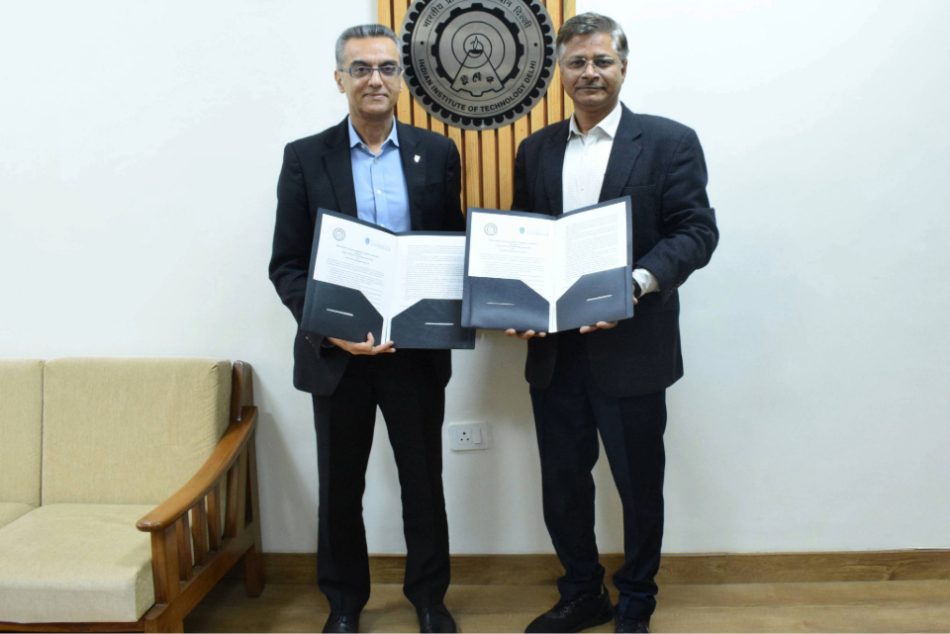
In a groundbreaking collaboration between IIT Delhi and the University of Exeter, innovative technologies are being developed to enhance athlete performance and safety. This partnership aims to address two critical areas in sports: concussion management and muscle injury prevention. The initiative was highlighted during the recent Spring School in Sports Technology, Machine Learning, and Data Analytics, organized with the Sports Authority of India (SAI).
Revolutionizing Concussion Management
Imagine a cricket helmet capable of recording real-time brain responses to concussions during a match. This is no longer a distant dream, but a potential reality thanks to the efforts of researchers at IIT Delhi. Dr. Biswarup Mukherjee, an Associate Professor at the Centre for Biomedical Engineering, discussed the development of a helmet that integrates advanced brain-mapping sensors and motion-tracking technology.
Innovative Helmet Design
The helmet features a unique design that incorporates functional near-infrared spectroscopy (fNIRS) sensors and inertial measurement units (IMUs). These components work together to monitor brain activity and detect concussions as they happen. The technology is designed to withstand high impacts, such as those experienced in cricket, where speeds can reach up to 150 km/h.
Real-Time Diagnosis
Current concussion assessments rely on post-game evaluations by medical professionals. However, this innovative helmet allows for immediate diagnosis on the field. Coaches can be informed right away if a player’s brain function is compromised, enabling timely interventions that could prevent long-term neurological damage.
Preventing Muscle Injuries
Alongside concussion management, IIT Delhi is also focusing on preventing muscle injuries through the development of a wearable ultrasound sensor. This device is designed to monitor muscle activity and detect potential injuries before they occur.
Sonomyography Technology
The wearable sensor utilizes sonomyography, a painless ultrasound technology traditionally used for monitoring recovery after strokes or nerve injuries. Dr. Mukherjee describes it as a “microphone” for muscles, capable of “hearing” what they are doing even before a movement is completed. This capability provides coaches and medical staff with crucial data on an athlete’s performance and fatigue levels.
Advantages Over Traditional Systems
Traditional motion-capture systems are often cumbersome, requiring multiple cameras and reflective markers, which are impractical in real-world training environments. In contrast, the wearable ultrasound sensor offers a streamlined solution. It allows for the monitoring of muscle and tendon movements during activity, providing insights that can help prevent injuries such as torn hamstrings or stress fractures.
The Future of Sports Technology
The collaboration between IIT Delhi and the University of Exeter signifies a significant advancement in sports technology. By merging engineering with sports science, these institutions are paving the way for safer and more effective athletic training.
Field-Ready Neural Bridge Technology
Professor Shahid Malik from the Centre for Sensors, Instrumentation, and Cyber-Physical Systems Engineering (SeNSE) is also working on a “field-ready neural bridge technology” aimed at monitoring brain health, particularly in cricket. This technology is expected to enter testing within a year and could revolutionize how brain injuries are assessed in contact sports.
Potential Impact on Sports Safety
Concussions have been a significant concern in sports, with cases like Australian cricketer William Pucovski highlighting the potential long-term effects of repeated brain injuries. The innovations being developed at IIT Delhi aim to make sports safer, ensuring that athletes can enjoy their careers without the looming threat of severe injuries.
Collaboration and Future Prospects
As the IIT Delhi team prepares for field tests of their technologies, they are optimistic about the future of sports safety. While they are currently focusing on refining their innovations, there is potential for collaboration with cricketing bodies and other sports organizations to implement these technologies widely.
A Vision for Safer Sports
Professor Malik believes that the technologies being developed will become standard in contact sports, ensuring that “the gentleman’s game remains as safe as it is exciting.” The integration of advanced technology into sports could change how injuries are managed and how athletes train, ultimately leading to better performance and longer careers.
Conclusion
The intersection of sports and technology is rapidly evolving, and the initiatives at IIT Delhi exemplify this trend. By focusing on injury prevention and management, researchers are not only enhancing athletic performance but also prioritizing athlete safety. As these technologies become more refined and widely adopted, the future of sports looks promising, with the potential for a new generation of unbeatable athletes.
Note: The information presented in this article is based on developments reported as of March 2026 and may be subject to change as new research and technologies emerge.