IIT Kharagpur hosts first SPARC National Conclave in Kolkata
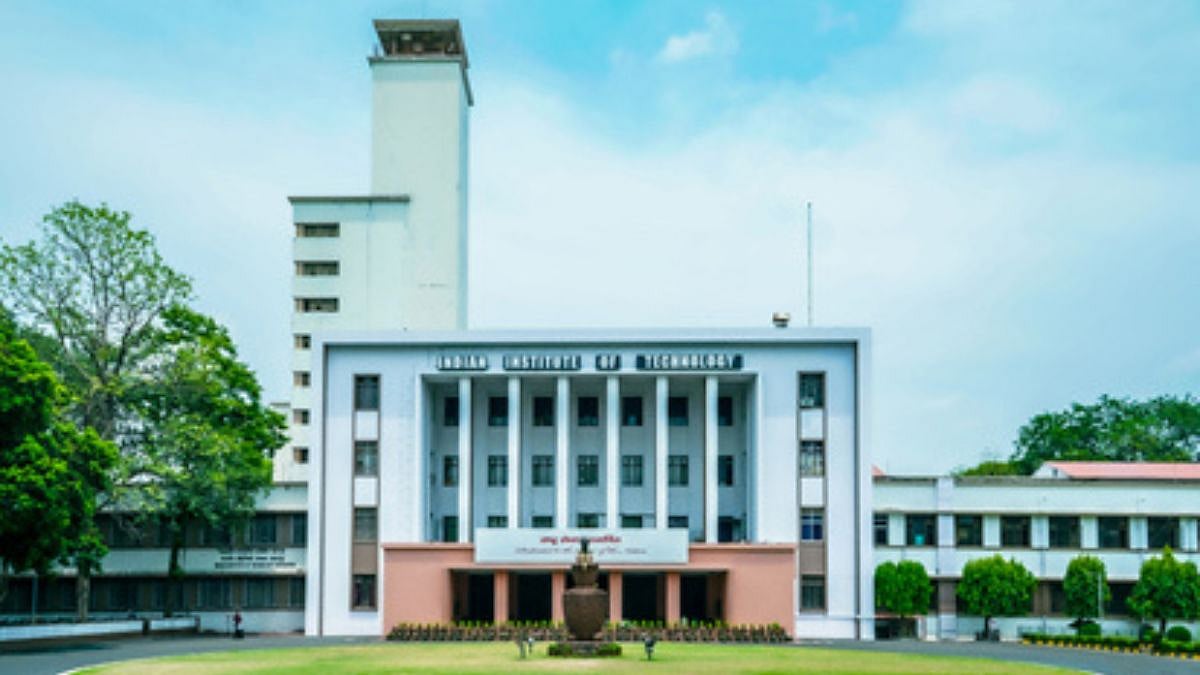
The Indian Institute of Technology Kharagpur (IIT-Kharagpur) recently hosted the inaugural SPARC National Conclave at the IIT Kharagpur Research Park in Rajarhat, Kolkata. This significant event, organized on behalf of the Ministry of Education, marked a pivotal moment in the promotion of academic and research collaboration in India.
Overview of the SPARC National Conclave
The SPARC (Scheme for Promotion of Academic and Research Collaboration) National Conclave was envisioned as a national platform designed to unite Indian principal investigators, international collaborators, and institutional representatives associated with the SPARC programme. The primary objectives of the conclave included:
- Reviewing the progress of SPARC initiatives.
- Facilitating the exchange of experiences among participating institutions.
- Deliberating on strategies to further strengthen international academic and research collaborations.
Attendance and Participation
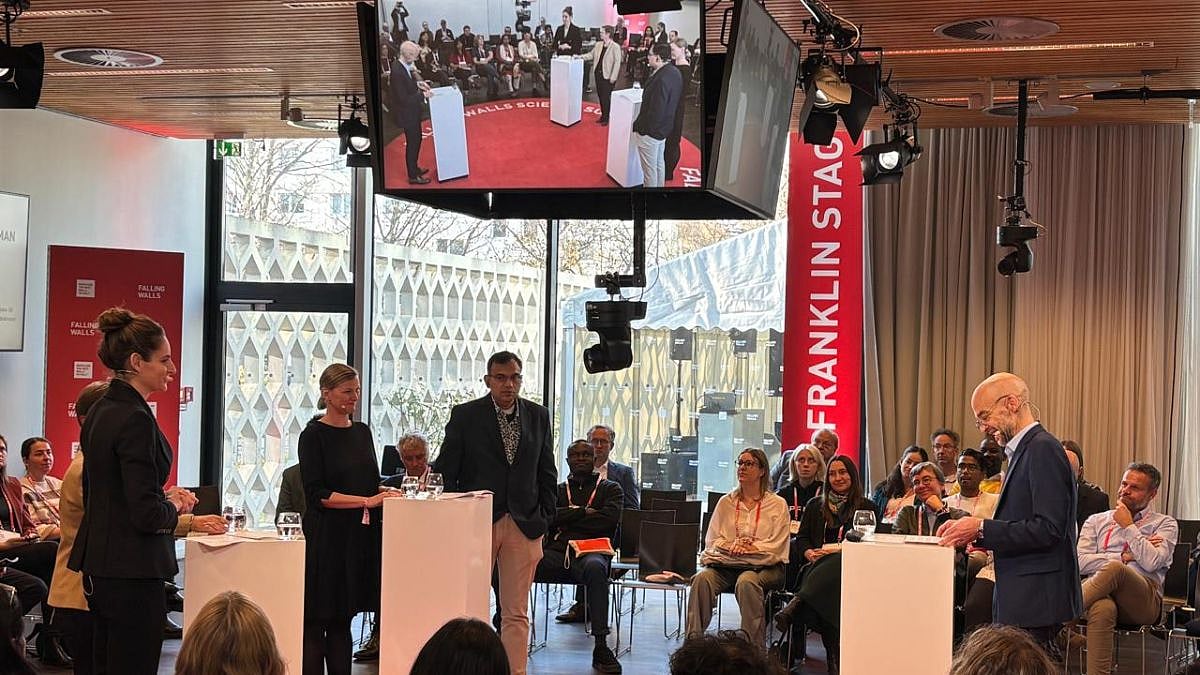
The two-day event attracted approximately 400 faculty members, researchers, and students from various universities and research institutions across India. The conclave also featured several distinguished academic leaders who have played a crucial role in shaping India’s higher education and research landscape.
Inauguration Ceremony
The inaugural session of the conclave was graced by:
- Amstrong Pame, Joint Secretary, Department of Higher Education, Ministry of Education, Government of India.
- Suman Chakraborty, Director of IIT Kharagpur.
- Rabibrata Mukherjee, National Coordinator of the SPARC programme.
- David Quéré, distinguished academician from ESPCI Paris and École Polytechnique, who attended as the chief guest.
During the inaugural remarks, speakers emphasized the importance of sustained international collaboration in advancing high-quality research and fostering innovation. They highlighted the pivotal role of the SPARC programme in enhancing global academic engagement and enabling collaborative research between Indian institutions and leading universities worldwide.
Activities and Discussions
Over the course of the two-day conclave, participants engaged in a series of:
- Panel discussions
- Thematic presentations
- Interactive sessions with both Indian and international collaborators
These deliberations provided a valuable platform for participants to share insights and experiences regarding the implementation, progress, and outcomes of SPARC-supported projects. The discussions were coordinated with the support of Sudeshna Sarkar, Joint National Coordinator of SPARC, whose contributions were instrumental in facilitating discussions on expanding research partnerships and strengthening collaborative frameworks.
Showcasing Transformative Research
The conclave served as a showcase for transformative research and partnerships, reflecting India’s growing global research footprint. It highlighted expanding opportunities for early-career researchers and the next generation of innovators. The SPARC National Conclave 2026 at IIT Kharagpur Research Park marked a significant step towards advancing international academic collaboration and reinforcing India’s commitment to building a globally connected research ecosystem.
Future Prospects
As the SPARC programme continues to evolve, the insights gained from this conclave are expected to play a crucial role in shaping future initiatives aimed at enhancing academic and research collaborations. The emphasis on international partnerships will likely lead to increased opportunities for Indian researchers to engage with global academic communities, fostering innovation and excellence in research.
Conclusion
The first SPARC National Conclave at IIT Kharagpur not only provided a platform for academic dialogue but also reinforced the importance of collaboration in research and education. As India continues to strengthen its position in the global research landscape, events like these are essential for fostering partnerships that drive innovation and academic excellence.
Note: The information presented in this article is based on the latest updates regarding the SPARC National Conclave and reflects the ongoing efforts to enhance academic and research collaboration in India.