NICDC signs MoU with IIM-A to strengthen India's logistics planning
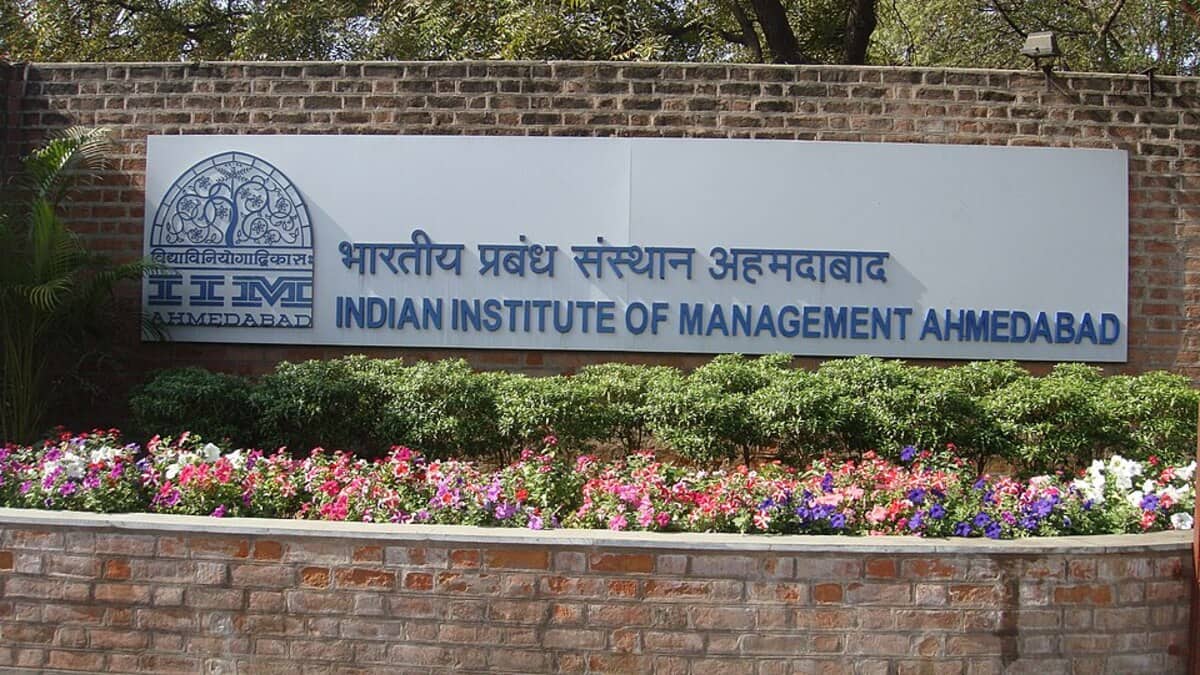
On March 14, 2026, the National Industrial Corridor Development Corporation (NICDC) signed a Memorandum of Understanding (MoU) with the Indian Institute of Management Ahmedabad (IIM-A) to enhance logistics planning across India. This collaboration aims to undertake an evidence-based demand assessment for identifying optimal locations for Multi-Modal Logistics Parks (MMLPs) throughout the country.
Details of the MoU
The MoU was signed in the presence of Shri Rajat Kumar Saini, the Chief Executive Officer and Managing Director of NICDC. The agreement was formalized by Shri Vikas Goel, General Manager – Company Secretary & Marketing at NICDC, along with Professors Debjit Roy and Ankur Sinha from the Operations & Decision Sciences department at IIM Ahmedabad.
Objectives of the Collaboration
The primary objective of this partnership is to conduct a comprehensive and data-driven assessment of various factors influencing logistics in India. The study will focus on:
- Freight flows
- Logistics demand
- Connectivity to critical infrastructure, including:
- Industrial corridors
- Rail networks
- Highways
- Ports
- Airports
- Environmental and statutory requirements across major commodity corridors
Methodology
The study will utilize a combination of stakeholder consultations and data-based analysis to support practical and sustainable planning. This method ensures that the logistics ecosystem developed will be efficient and responsive to the needs of various stakeholders.
Expected Outcomes
Through this collaboration, NICDC aims to achieve several key outcomes:
- Build an efficient and integrated logistics ecosystem
- Lower logistics costs
- Improve supply chain reliability
- Strengthen India’s logistics network
These outcomes are essential for enhancing the overall efficiency of the logistics sector in India, which is crucial for economic growth and development.
Importance of Multi-Modal Logistics Parks (MMLPs)
MMLPs play a significant role in modern logistics planning. They serve as hubs that integrate various modes of transportation, including road, rail, air, and sea, facilitating seamless movement of goods. The establishment of MMLPs can lead to:
- Reduction in transportation costs
- Minimization of transit times
- Enhanced supply chain flexibility
- Improved accessibility to markets
By strategically locating MMLPs based on data-driven insights, India can significantly enhance its logistics capabilities, making it more competitive in the global market.
Stakeholder Engagement
Engaging with various stakeholders is a critical component of this initiative. The NICDC and IIM-A will consult with industry leaders, government agencies, and other relevant parties to gather insights and feedback. This collaborative approach ensures that the logistics planning process is inclusive and considers the diverse needs of all stakeholders involved.
Environmental Considerations
As logistics planning evolves, it is essential to incorporate environmental considerations into the decision-making process. The study will assess the environmental impact of logistics operations and aim to promote sustainable practices. This includes:
- Reducing carbon emissions
- Implementing green logistics solutions
- Promoting the use of renewable energy sources
By prioritizing sustainability, the NICDC and IIM-A can contribute to India’s broader environmental goals while enhancing the efficiency of the logistics sector.
Conclusion
The signing of the MoU between NICDC and IIM-A marks a significant step towards strengthening India’s logistics planning. By leveraging data-driven insights and stakeholder engagement, this collaboration aims to create a robust logistics ecosystem that not only meets current demands but also anticipates future needs. The establishment of Multi-Modal Logistics Parks will play a crucial role in this endeavor, ultimately leading to a more efficient and sustainable logistics network in India.
Note: The information presented in this article is based on the latest available data as of March 2026.