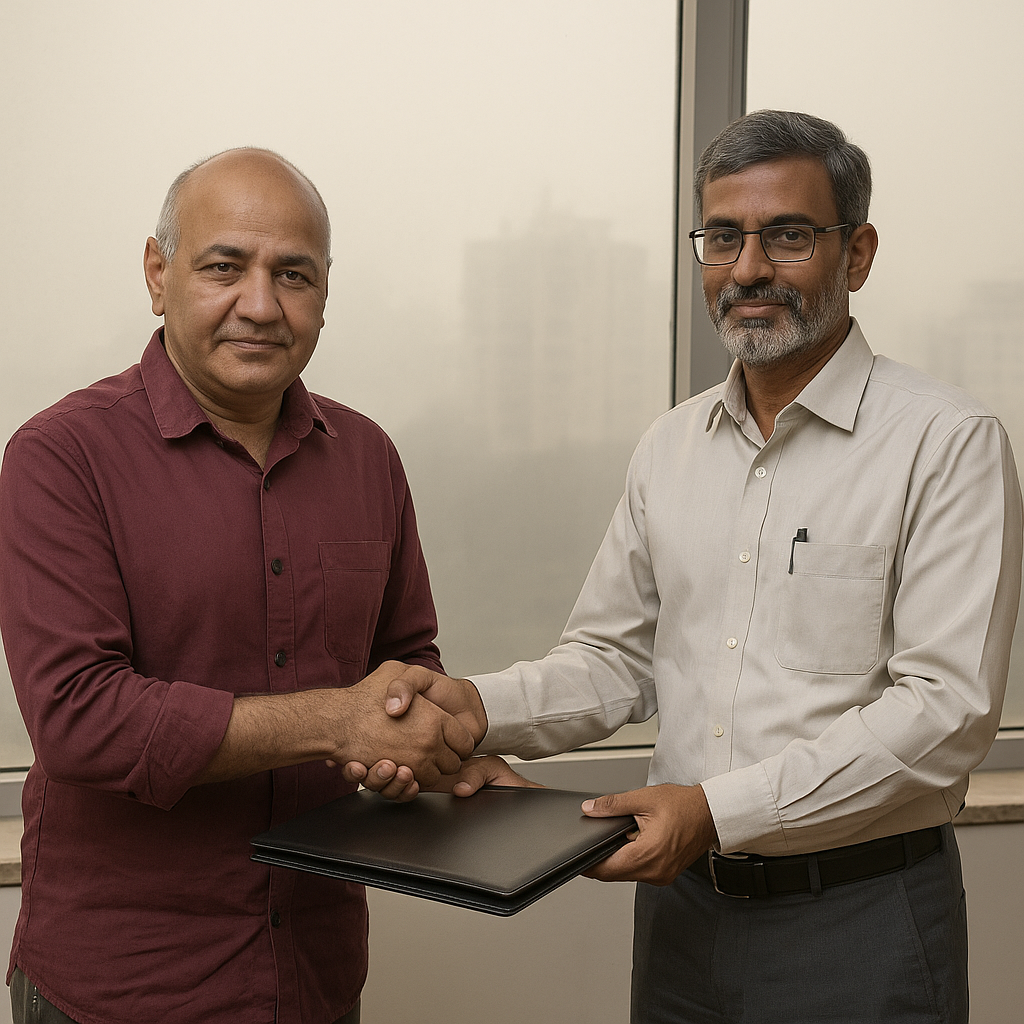
Delhi Govt signs MoU with IIT Madras to combat air pollution
In a significant move towards tackling the persistent issue of air pollution in the national capital, the Delhi government has signed a Memorandum of Understanding (MoU) with the Indian Institute of Technology (IIT) Madras. This partnership aims to develop innovative solutions to improve air quality and create a sustainable urban environment.
Background of Air Pollution in Delhi
Delhi has been grappling with severe air pollution for several years, particularly during the winter months when smog levels rise dramatically. Factors contributing to this crisis include vehicular emissions, industrial discharges, construction activities, and crop burning in neighboring states. The air quality index (AQI) often reaches hazardous levels, posing serious health risks to residents.
The MoU: Objectives and Goals
The MoU between the Delhi government and IIT Madras focuses on a pilot study to create photocatalytic surfaces that can actively reduce air pollutants. The primary objectives of this collaboration include:
- Developing photocatalytic materials that can break down harmful pollutants in the air.
- Implementing these materials in urban infrastructure, such as roads and buildings.
- Conducting research to assess the effectiveness of these materials in real-world conditions.
- Raising public awareness about air pollution and its health impacts.
Photocatalytic Technology Explained
Photocatalytic technology utilizes light to accelerate a chemical reaction that can decompose pollutants. When applied to surfaces, these materials can absorb sunlight and catalyze reactions that break down harmful substances like nitrogen oxides (NOx) and volatile organic compounds (VOCs). This technology has the potential to transform ordinary surfaces into ‘smog-eating’ agents, significantly improving air quality in urban areas.
Implementation Strategy
The implementation of this project will involve several phases:
- Research and Development: IIT Madras will lead the research to develop effective photocatalytic materials tailored for urban environments.
- Pilot Testing: Selected urban areas in Delhi will be chosen for the pilot study, where the new materials will be applied to surfaces.
- Monitoring and Evaluation: Continuous monitoring will be conducted to evaluate the performance of these materials in reducing air pollution levels.
- Public Engagement: The Delhi government will engage with the community to educate citizens about the importance of air quality and the role of these innovations.
Expected Outcomes
The collaboration between the Delhi government and IIT Madras is expected to yield several positive outcomes:
- Reduction in air pollution levels in targeted areas.
- Improved public health and reduced healthcare costs associated with pollution-related diseases.
- Enhanced urban infrastructure that contributes to a cleaner environment.
- Increased awareness and community involvement in air quality management.
Challenges Ahead
While the initiative is promising, several challenges must be addressed:
- Funding: Securing adequate funding for research and implementation is crucial for the project’s success.
- Public Acceptance: Gaining public trust and encouraging community participation will be essential.
- Regulatory Framework: Establishing a supportive regulatory environment to facilitate the deployment of new technologies.
Conclusion
The signing of the MoU between the Delhi government and IIT Madras marks a proactive step towards innovative solutions to combat air pollution. By leveraging advanced technology and fostering collaboration between government and academia, there is potential for significant improvements in air quality in Delhi. The success of this initiative could serve as a model for other cities facing similar challenges.
Note: The information presented in this article is based on recent developments as of March 2026 and aims to provide an overview of the collaborative efforts to address air pollution in Delhi.