Big Tech purchases of carbon credits explode amid AI race, with Microsoft leading the way
The rapid expansion of artificial intelligence (AI) technologies has sparked a significant increase in carbon credit purchases among major technology companies. As Microsoft, Amazon, Google, and Meta invest heavily in AI, they are simultaneously seeking ways to offset the emissions generated by their energy-intensive operations.
The Surge in Carbon Credit Purchases
Since the launch of ChatGPT in 2022, the demand for carbon credits has surged. According to data compiled by Ceezer, a carbon credit management platform, these companies have ramped up their purchases of permanent carbon credits significantly. The total number of carbon credits purchased rose from 14,200 in 2022 to 11.92 million in 2023, reflecting a dramatic increase in awareness and action towards achieving net-zero emissions.
Understanding Carbon Credits
Each carbon credit represents a metric ton of carbon dioxide that has been reduced or removed from the atmosphere. Companies can purchase these credits to offset their emissions by funding projects that contribute to carbon reduction, such as reforestation or carbon capture technologies. This mechanism allows companies to continue their operations while working towards their sustainability goals.
Financial Commitments and AI Infrastructure
Big Tech companies are projected to invest nearly $700 billion combined in AI infrastructure this year alone. This investment includes the construction of massive data centers, which contribute to increased energy consumption and emissions. As a result, these companies are turning to carbon credits as a means to balance their environmental impact.
Year-on-Year Growth in Carbon Credit Purchases
- 2022: 14,200 credits
- 2023: 11.92 million credits
- 2024: 24.4 million credits (104% increase)
- 2025: 68.4 million credits (181% increase)
Microsoft’s Leadership in Carbon Credit Purchases
Among the four major tech companies, Microsoft stands out for its consistent reporting of carbon credit purchases, dating back to before 2022. The company has seen substantial increases in its carbon credit acquisitions, reporting a 247% rise from fiscal year 2022 to 2023, followed by a 337% increase from 2023 to 2024.
Microsoft’s Carbon Credit Strategy
Microsoft aims to be carbon negative by 2030. The company’s Chief Sustainability Officer, Melanie Nakagawa, emphasized the importance of reducing emissions while also removing unavoidable emissions through carbon credits. Microsoft’s strategy includes purchasing various types of carbon credits, not limited to permanent carbon removal, which allows for flexibility in their sustainability efforts.
Challenges in Achieving Net-Zero Emissions
Despite the significant investments in carbon credits, experts warn that achieving net-zero emissions may be challenging for Big Tech without substantial carbon removal efforts. Magnus Drewelies, CEO of Ceezer, noted that the tight supply of clean energy to support AI development makes it “impossible” for these companies to reach their sustainability goals without relying on carbon credits.
The Role of Technological Carbon Removal
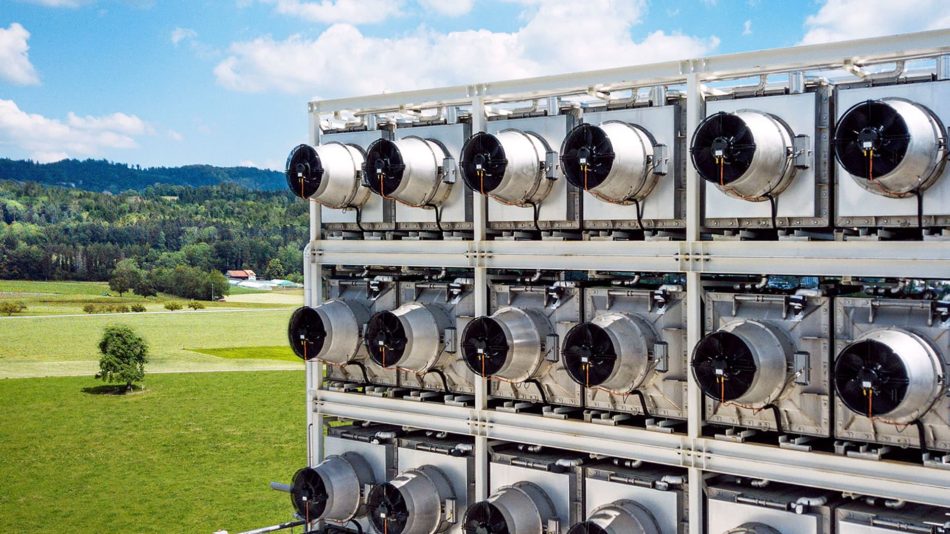
Technological carbon removal includes methods such as direct air capture, which uses machines to extract carbon dioxide from the atmosphere. These methods are essential for companies aiming to mitigate their carbon footprints while continuing to expand their operations. The demand for carbon removal solutions is expected to grow as companies seek to align their business strategies with climate goals.
Market Trends and Future Outlook
The increase in carbon credit purchases reflects a broader shift in the market, driven by both private sector initiatives and public policy support. As highlighted by Ben Rubin, executive director of the Carbon Business Council, the surge in demand for carbon removal is not merely a temporary reaction but indicates a structural change in how companies approach sustainability.
Long-Term Climate Strategies
Big Tech companies are increasingly entering multi-year agreements for carbon credit purchases, signaling a commitment to long-term climate strategies. These agreements allow companies to secure future supplies of carbon credits while addressing residual emissions as part of their overall climate action plans.
Conclusion
As the AI race continues to evolve, the intersection of technology and sustainability becomes increasingly critical. Big Tech’s substantial investments in carbon credits reveal a growing recognition of the need to balance innovation with environmental responsibility. While challenges remain, the proactive steps taken by companies like Microsoft, Amazon, Google, and Meta indicate a commitment to addressing climate change and working towards a sustainable future.
Note: The information presented in this article is based on data available as of October 2023 and may be subject to change as the market and technology landscape evolve.