Hugo Barra's return to Meta 5 years after exit underscores Zuckerberg's AI urgency
Hugo Barra’s recent return to Meta, five years after his departure, highlights the company’s urgent pivot towards artificial intelligence (AI). During his initial tenure at Meta, formerly known as Facebook, Barra was a prominent figure in the virtual reality (VR) sector. However, the tech landscape has evolved significantly, prompting Meta to refocus its efforts on AI technologies.
The Evolution of Meta’s Focus
Barra’s initial role at Meta centered around the development of VR technologies. However, since his exit, the company’s priorities have shifted dramatically towards AI, a sector that has gained immense traction in recent years. This transition is part of Meta’s strategy to remain competitive against industry giants like Google and OpenAI, which have made significant advancements in AI.
Barra’s New Role at Meta
Upon his return, Barra has joined Meta’s Superintelligence Labs, a division focused on advancing AI capabilities. This lab is led by Alexandr Wang, the former chief of Scale AI, who was brought on board following a substantial investment in AI technologies. The goal is to enhance Meta’s AI offerings, especially after the underwhelming performance of its Llama 4 AI models.
Strategic Acquisitions and Partnerships
Meta’s aggressive strategy in the AI domain includes several key acquisitions and partnerships:
- Dreamer: Barra co-founded Dreamer, a startup focused on AI agents, which has been integrated into Meta’s operations. Alongside him, key figures from Dreamer, including CEO David Singleton and co-founder Nicholas Jitkoff, have joined Meta.
- Manus: In December, Meta invested $2 billion in Manus, a Singapore-based company specializing in AI agents for businesses.
- Moltbook: In March, Meta acquired Moltbook, a social media platform that focuses on AI agents, enhancing its capabilities in this area.
Barra’s Vision for AI
In a recent LinkedIn post, Barra emphasized the need for a fundamental rethinking of current computing platforms to accommodate AI agents. He drew parallels to previous advancements in mobile operating systems, such as Android and ChromeOS, indicating that the future of computing will heavily involve AI technologies.
Barra’s vision aligns with the growing trend of developers creating tools that manage AI agents across various applications. One such tool, OpenClaw, has gained popularity, allowing users to control AI agents seamlessly across messaging platforms and home devices.
Meta’s Financial Commitment to AI
Meta is making a historic financial commitment to AI, with plans for up to $135 billion in capital expenditures this year, primarily directed towards AI infrastructure. Despite this substantial investment, the company has yet to finalize a comprehensive strategy to compete with leading AI model creators such as OpenAI and Anthropic.
Shifting Priorities in VR
As Meta intensifies its focus on AI, its VR initiatives have taken a backseat. In January, the company laid off 10% of its Reality Labs workforce, with many of these cuts affecting VR-related projects like the Quest headsets and the Horizon Worlds app. The company is now redirecting its efforts from VR towards developing AI-centric wearable devices.
Barra’s Background and Previous Contributions
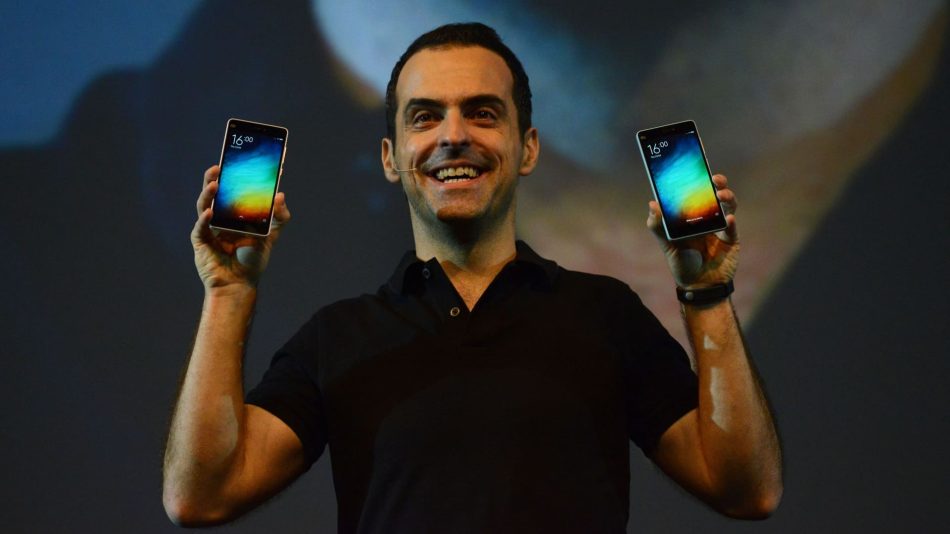
Barra’s return to Meta is particularly significant given his previous contributions to the company’s VR strategy. He initially joined Meta in 2017 to lead VR development shortly after the acquisition of Oculus. Prior to his time at Meta, Barra held a prominent role at Xiaomi and served as vice president of Android product management at Google.
When Barra first joined Facebook, CEO Mark Zuckerberg expressed a shared belief in the potential of virtual and augmented reality as the next major computing platform. However, the current focus on AI reflects the rapidly changing technological landscape and the need for companies to adapt to new paradigms.
Looking Ahead
As Meta navigates this significant transition, the collaboration between Barra and Wang is expected to accelerate the company’s progress in AI. Singleton, co-founder of Dreamer, noted that their shared vision with Zuckerberg emphasizes a future where billions of individuals can harness software to enhance their lives.
Meta’s strategic shift towards AI, coupled with the return of experienced leaders like Barra, positions the company to potentially reclaim its competitive edge in the tech industry. The coming years will be crucial as Meta seeks to redefine its identity and offerings in an increasingly AI-driven world.
Note: This article is based on information available as of October 2023 and reflects the current trends and developments in the tech industry.