Elon Musk says the US could be ‘toast’ if AI doesn’t fix America’s T nightmare — how to protect your money
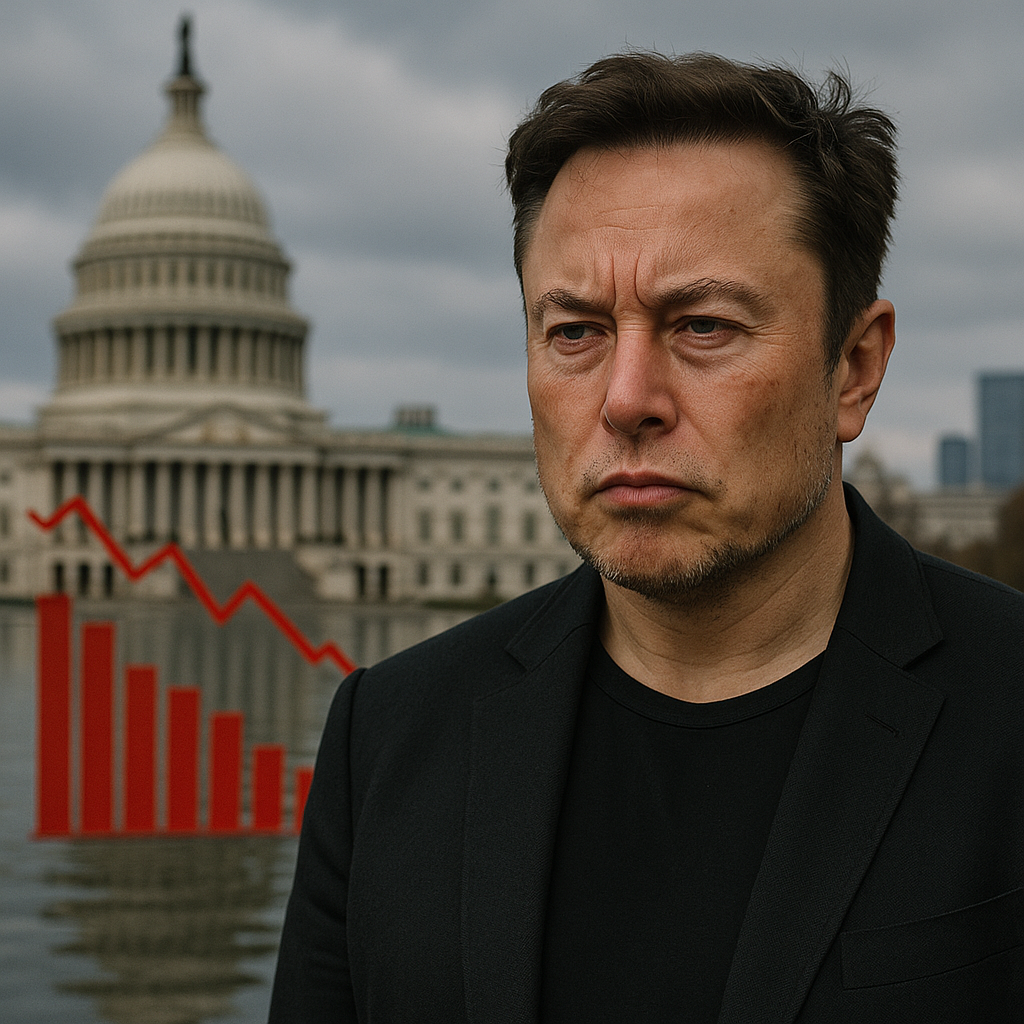
In a recent discussion at the All In Summit, Elon Musk, the CEO of Tesla and SpaceX, expressed grave concerns about the state of the United States’ economy, particularly its staggering national debt, which currently stands at approximately $39 trillion. Musk’s comments highlight the urgent need for innovative solutions, particularly through artificial intelligence (AI), to avert a potential financial crisis.
The Current State of U.S. National Debt
Musk’s remarks come in the context of a broader discussion about the U.S. government’s financial health. He noted that the national debt has ballooned to an unsustainable level, with interest payments exceeding the budget allocated for national defense. In fiscal year 2025, the U.S. paid a staggering $1.22 trillion in net interest on its debt. This situation is compounded by proposals for increased defense spending, which could further inflate the national debt by an estimated $5.8 trillion by 2035.
Musk’s Vision for AI and Robotics
Elon Musk believes that AI and robotics could be the key to solving America’s economic woes. He stated, “If AI and robots don’t solve our national debt, we’re toast.” His vision includes significant investments in AI technology, as evidenced by SpaceX’s recent acquisition of xAI, a move that aims to integrate AI capabilities with SpaceX’s existing technologies.
The Role of AI in Economic Recovery
Musk argues that AI has the potential to drive a massive productivity boom, which could ultimately help the U.S. avoid bankruptcy. He expressed confidence that without the advancements brought by AI and robotics, the country could face dire financial consequences. Musk stated, “We are 1,000% going to go bankrupt as a country, and fail as a country, without AI and robots.”
The Potential Impact of AI on Prices
In addition to addressing national debt, Musk believes that AI could lead to a significant increase in the output of goods and services. This surge in productivity could result in deflation, as the supply of goods would outpace the growth of the money supply. Musk explained, “If you have AI and robotics, and a dramatic increase in the output of goods and services, probably you will have deflation.”
The Risks of Automation
While the potential benefits of AI are substantial, Musk also acknowledged the risks associated with widespread automation. A recent analysis from Citrini Research highlighted the possibility that millions of jobs could be threatened as AI technologies become more prevalent. This dual-edged sword of technological advancement raises important questions about the future of work and economic stability.
How to Protect Your Money in an Uncertain Economy
Given the uncertainties surrounding the economy and the potential for significant changes due to AI, individuals may wonder how to protect their financial interests. Here are some strategies to consider:
- Diversify Investments: Spread your investments across various asset classes, including stocks, bonds, and real estate, to mitigate risk.
- Invest in Technology: Consider allocating a portion of your portfolio to technology companies, particularly those focused on AI and automation, as they may drive future growth.
- Stay Informed: Keep up-to-date with economic trends and technological advancements to make informed investment decisions.
- Emergency Fund: Maintain an emergency fund to cover unexpected expenses, providing a financial cushion during economic downturns.
- Consult Financial Advisors: Seek advice from financial professionals to tailor a strategy that aligns with your financial goals and risk tolerance.
Conclusion
Elon Musk’s warnings about the U.S. national debt and the potential of AI underscore the importance of innovation in addressing economic challenges. As the landscape of work and finance continues to evolve, individuals must be proactive in protecting their financial well-being. By understanding the implications of AI and making informed investment choices, it is possible to navigate the uncertainties of the future.
Note: The information provided in this article is for informational purposes only and should not be considered financial advice. Always consult with a qualified financial advisor before making investment decisions.