AI, shifting industries are redefining careers: Market experts
In a rapidly evolving job market, artificial intelligence (AI) and shifting industries are fundamentally altering the landscape of careers. This transformation necessitates that management students adapt beyond the traditional knowledge imparted in educational institutions. Insights from market experts highlight the importance of flexibility and continuous learning in navigating this new terrain.
Context of the Transformation
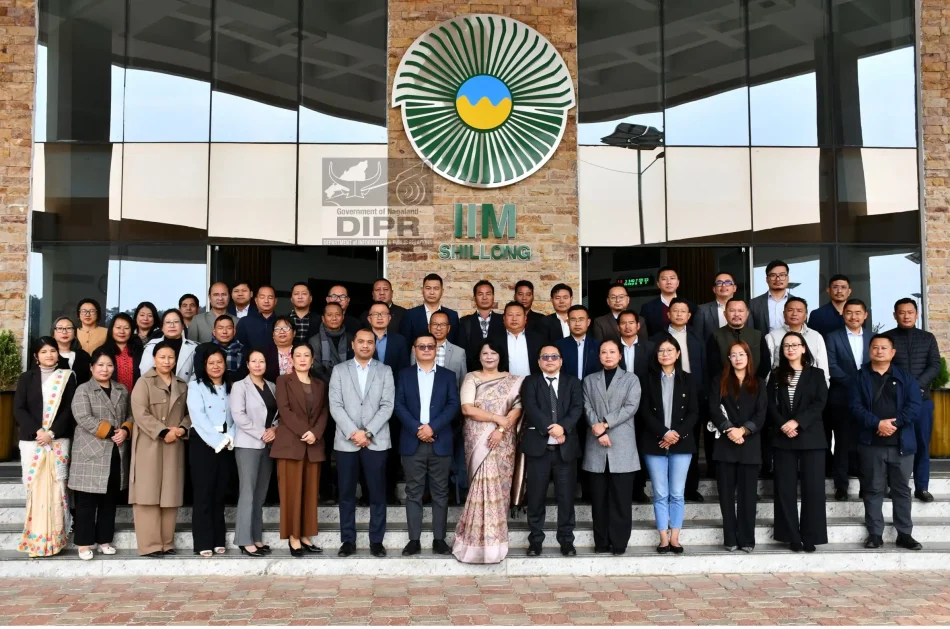
The Indian Institute of Management-Shillong (IIM-Shillong) recently held its 17th annual convocation on April 2, 2026, where industry leaders gathered to address the future of careers in light of technological advancements. Among the speakers were Anoop Mehta, president of Bharat Diamond Bourse, and Vijay Kedia, managing director of Kedia Securities. Their perspectives underscored the pressing need for graduates to rethink their career strategies in an age dominated by AI.
The Role of AI in Career Redefinition
AI is not just a technological tool; it is a transformative force that is reshaping industries across the globe. From automating routine tasks to enhancing decision-making processes, AI is influencing how businesses operate. This shift has significant implications for job roles, skill requirements, and career trajectories.
Key Areas Affected by AI
- Automation of Routine Tasks: Many jobs that involve repetitive tasks are at risk of being automated, leading to a decline in demand for such roles.
- Enhanced Decision-Making: AI systems can analyze vast amounts of data quickly, providing insights that support better decision-making in various sectors.
- Creation of New Roles: While some jobs may disappear, AI is also creating new opportunities that require advanced technological skills.
Adapting to Industry Shifts
As industries evolve, the skills required to succeed are changing. Financial market experts emphasize the importance of adaptability and lifelong learning for graduates entering the workforce. Here are some strategies for students and professionals to stay relevant:
Strategies for Adaptation
- Continuous Learning: Engage in lifelong learning through online courses, workshops, and certifications to stay updated on industry trends and technologies.
- Networking: Build a professional network to gain insights from industry leaders and peers, which can provide opportunities for collaboration and mentorship.
- Skill Diversification: Develop a diverse skill set that includes both technical and soft skills, making you more versatile and valuable in the job market.
- Embrace Technology: Familiarize yourself with AI tools and platforms relevant to your field, as understanding these technologies can enhance your employability.
The Importance of Soft Skills
While technical skills are crucial in the age of AI, soft skills remain equally important. Employers are increasingly looking for candidates who possess strong interpersonal skills, emotional intelligence, and the ability to work collaboratively in diverse teams.
Essential Soft Skills
- Communication: The ability to convey ideas clearly and effectively is vital in any profession.
- Problem-Solving: Critical thinking and creativity are essential for navigating complex challenges.
- Adaptability: Being open to change and able to adjust to new situations is a key trait in a fast-paced environment.
- Collaboration: Working well with others, especially in multidisciplinary teams, is crucial for success.
Conclusion
The landscape of careers is undergoing a significant transformation driven by AI and industry shifts. Graduates and professionals must embrace adaptability, continuous learning, and the development of both technical and soft skills to thrive in this new environment. As highlighted by the speakers at IIM-Shillong’s convocation, the future belongs to those who are willing to evolve with the changing tides of the job market.
Note: The insights shared in this article reflect the opinions of industry experts and are intended to guide individuals as they navigate their career paths in an era of rapid technological advancement.