From scholarships to mental health: IIT-Delhi students flag multiple barriers for SC/ST scholars
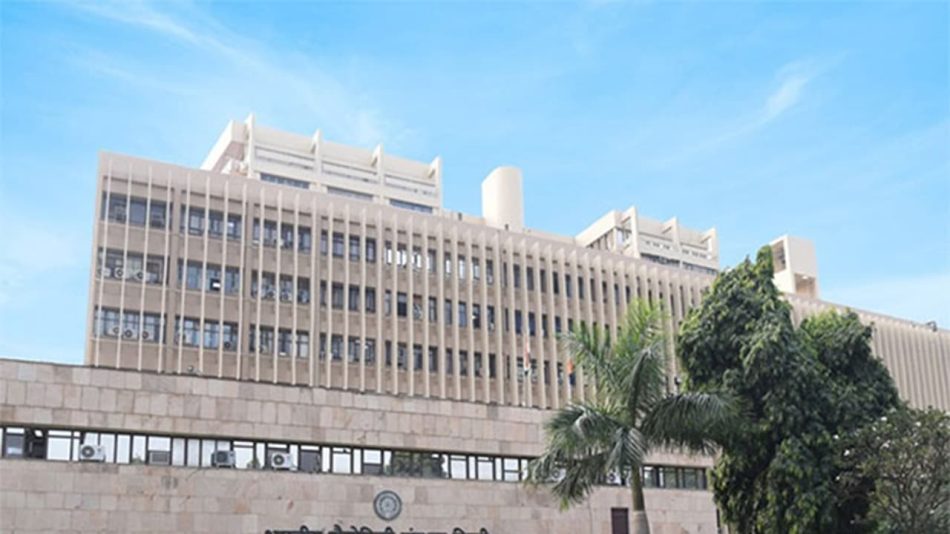
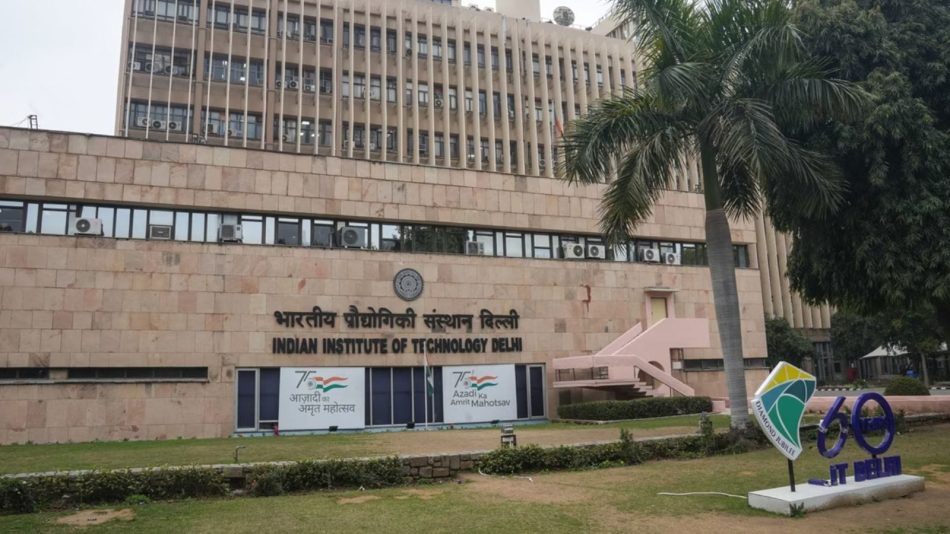
The Indian Institute of Technology (IIT) Delhi has come under scrutiny for its handling of issues faced by Scheduled Castes (SC) and Scheduled Tribes (ST) scholars. A recent memorandum submitted to a Parliamentary Committee highlighted significant barriers that these students encounter, ranging from inadequate representation among faculty to mental health challenges.
Concerns Raised Before Parliamentary Committee
In February, members of the Parliamentary Committee on the Welfare of Scheduled Castes and Scheduled Tribes were presented with alarming statistics and testimonies regarding the under-representation of SC/ST faculty at IIT Delhi. The committee’s session included oral evidence from the Ministry of Education and IIT Delhi, focusing on the implementation of reservation policies in faculty and non-faculty positions.
Faculty Representation Issues
Data presented to the committee revealed that only 3.1% of IIT Delhi’s 642 faculty members belong to the SC category, and just 1.2% belong to the ST category. This falls significantly short of the mandated quotas of 15% and 7.5%, respectively. The shortfall translates to a deficit of 76 SC and 40 ST faculty positions.
Systemic Exclusion
The memorandum described what it termed “systemic exclusion” across various institutional processes. Many academic departments reportedly do not have a single SC/ST faculty member. Despite initiatives like special recruitment drives, faculty members expressed skepticism about their effectiveness, noting that these measures often increase their workload and create additional pressure.
Leadership Representation
The absence of SC/ST representation extends to leadership roles as well. No SC/ST faculty member has been appointed to key administrative positions, such as Dean or Associate Dean, nor have they been included in the institute’s Board of Governors, which is the apex decision-making body.
Challenges Faced by SC/ST Faculty
Faculty members from SC/ST backgrounds reported that they often need to prove their merit in an environment that lacks a level playing field. Institutional support for their professional growth remains limited, and they face undue scrutiny regarding research focused on caste discrimination.
Grievance Redressal Mechanisms
The memorandum criticized the grievance redressal mechanisms at IIT Delhi, describing them as vague and ineffective. Faculty members expressed concerns about potential retaliation for raising complaints, including intimidation and coercion.
Intersectional Challenges for Women
Women faculty from SC/ST backgrounds face compounded challenges due to both caste and gender discrimination, which the memorandum referred to as “intersectional invisibility.”
Student Concerns
A parallel memorandum submitted by students echoed many of the faculty’s concerns while adding specific issues related to academic and financial barriers.
Inadequate Academic Support
Students highlighted the lack of funding for research activities, fellowships, and international academic exposure. They criticized the flexible structure of PhD admissions, arguing that it has contributed to the under-enrollment of SC/ST candidates.
Mental Health Services
Concerns about mental health services were also raised. Students called for trained professionals who understand the psychological effects of discrimination and social exclusion, emphasizing the need for a supportive environment.
Placement Issues
On the topic of placements, students urged the institute to ensure that recruiting companies do not inquire about caste or rank. They also requested the establishment of fast-track mechanisms to address caste-based discrimination during internships and hiring processes.
Financial Barriers
Financial stress emerged as a recurring theme in the students’ memorandum. They pointed to irregular scholarship disbursements and high upfront costs as significant barriers, particularly affecting students from marginalized communities. The lack of representation in prestigious fellowships was also concerning, as a report indicated that only 20% of recipients of the Prime Minister’s Research Fellowship come from SC, ST, and OBC communities.
Additional Challenges
Other issues highlighted included the absence of stipends in certain programs, inadequate hostel accommodation for first-year postgraduate students, and the need for a ‘Technical Equity Grant’ to support academic expenses.
Institutional Response
Despite the serious nature of these concerns, responses from IIT Delhi’s administration have been limited. Attempts to reach out to IIT Delhi’s Press Relations Officer and the Director for comments went unanswered.
Conclusion
The challenges faced by SC/ST scholars at IIT Delhi reflect broader systemic issues within higher education institutions in India. Addressing these barriers is crucial not only for the well-being of affected students and faculty but also for fostering an inclusive academic environment that values diversity and equity.
Note: The information presented in this article is based on reports and testimonies submitted to the Parliamentary Committee and reflects the ongoing challenges faced by SC/ST scholars at IIT Delhi.