Road Ministry Taps IIT-Kanpur to Fix ‘Black Spots’ on Highways to Prevent Accidents
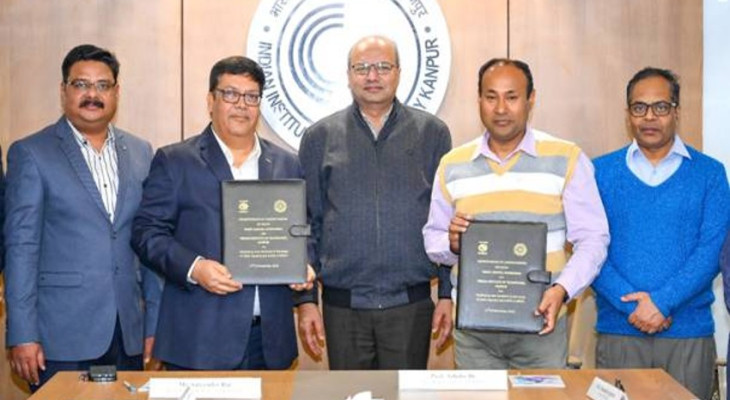
In response to the alarming rise in road accidents, India’s Ministry of Road Transport and Highways has initiated a partnership with the Indian Institute of Technology (IIT) Kanpur. This collaboration aims to utilize artificial intelligence (AI) to identify and analyze high-risk areas, commonly referred to as “black spots,” on national highways. The goal is to understand the underlying causes of repeated collisions and implement effective solutions to enhance road safety.
The Rise in Road Accidents
Since 2021, India has witnessed a steady increase in road accidents. In 2023 alone, road crashes rose by 4% compared to the previous year. This worrying trend has prompted the Ministry to take significant action. According to recent reports, a total of 13,795 black spots have been identified on national highways, highlighting the urgent need for rectification and preventive measures.
Understanding Black Spots
Black spots are locations on roads where a high number of accidents occur repeatedly. Despite several manual rectification efforts, the country has struggled to effectively reduce road crashes. The Ministry’s new approach involves leveraging technology to gain insights into why certain locations are prone to accidents. By identifying the factors contributing to these incidents, the Ministry aims to design targeted interventions to improve road safety.
Collaboration with IIT-Kanpur
The collaboration with IIT-Kanpur is a strategic move to harness the power of AI in analyzing accident data. The project will focus on geospatial synchronization of crash and road data, developing an algorithmic pipeline to pinpoint high-crash concentration locations. This data-driven approach is expected to provide a clearer understanding of the dominant crash factors at specific black spots.
Key Objectives of the Initiative
- Utilize AI to map and analyze high-risk road areas.
- Identify root causes of repeated collisions at black spots.
- Implement targeted interventions based on data analysis.
- Reduce the number of road accidents by 50% by the year 2030.
Expected Outcomes
According to Manindra Agrawal, the director of IIT-Kanpur, the first draft report of the joint study is anticipated by the end of the month. The study aims to enhance the functionality of existing road accident databases, such as the Integrated Road Accident Database (iRAD) and the e-Detailed Accident Report (eDAR) portal. By standardizing reporting protocols and improving data analytics capabilities, the initiative seeks to empower engineers and policymakers with the necessary tools to make informed decisions regarding road safety.
Data Analytics and Reporting
The focus on data analytics will allow for a more comprehensive understanding of accident patterns. By linking potential countermeasures to identified black spots, engineers can proactively address safety concerns before accidents occur. This shift from reactive to proactive measures is crucial in enhancing road safety across the country.
Challenges and Future Directions
While the initiative is promising, it is essential to acknowledge the challenges that lie ahead. The successful implementation of AI-driven solutions requires collaboration among various stakeholders, including government agencies, engineers, and technology experts. Additionally, there is a need for continuous monitoring and evaluation of the implemented measures to ensure their effectiveness in reducing accidents.
Long-term Goals
The Ministry of Road Transport and Highways has set an ambitious target to halve the number of road accidents in India by 2030. Achieving this goal will require a multi-pronged approach that encompasses not only technological advancements but also public awareness campaigns, improved infrastructure, and stricter enforcement of traffic regulations.
Conclusion
The partnership between the Ministry of Road Transport and Highways and IIT-Kanpur marks a significant step towards enhancing road safety in India. By leveraging AI and data analytics, the initiative aims to address the critical issue of black spots on highways and reduce the number of road accidents. As the project progresses, it will be crucial to monitor its impact and adapt strategies accordingly to ensure the safety of all road users.
Note: The information presented in this article is based on reports available as of December 2025 and may be subject to change as new data and developments arise.