IOCL, IIT-ISM to Develop Clean Cooking System for Rural Households
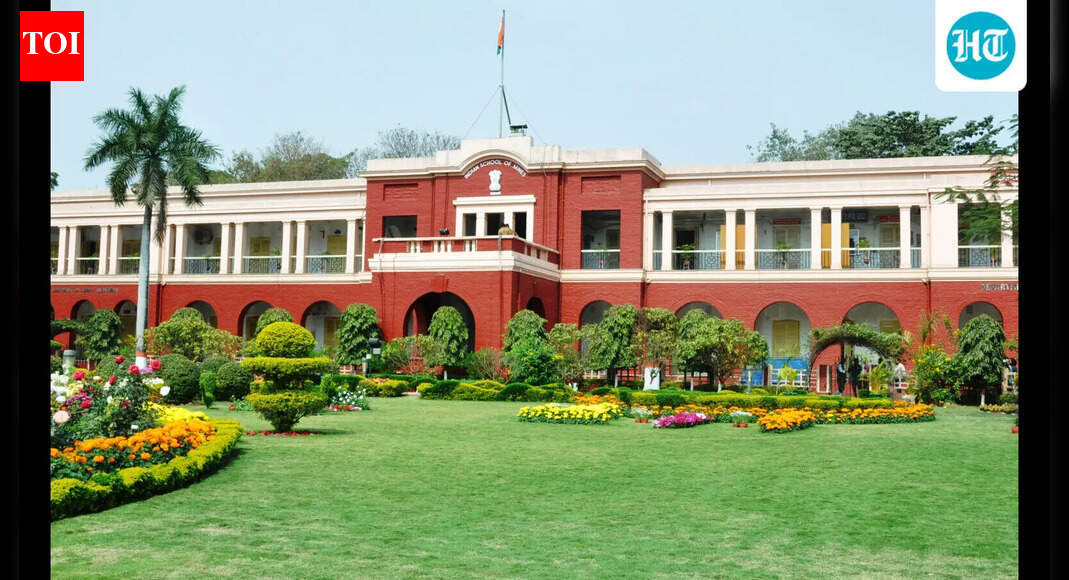
In a significant step towards enhancing energy access and sustainability in rural India, the Indian Oil Corporation Limited (IOCL) has partnered with the Indian Institute of Technology (IIT) – Indian School of Mines (ISM) Dhanbad. This collaboration aims to develop a solar hydrogen-based clean cooking and micro-power generation system tailored for rural households.
Project Overview
The initiative, which is funded by IOCL’s Corporate Social Responsibility (CSR) program, has allocated a budget of ₹76.42 lakh. The project is designed to reduce the reliance on traditional biomass fuels, which pose health risks due to smoke inhalation, particularly affecting women who are primarily responsible for cooking in many rural settings.
Key Objectives
The primary objectives of the project include:
- Developing a sustainable cooking solution that minimizes health hazards associated with smoke from traditional cooking methods.
- Reducing dependence on biomass fuels, which are often unsustainable and contribute to deforestation.
- Supporting India’s clean energy goals by promoting the use of renewable energy sources.
- Enhancing rural livelihoods through the introduction of innovative energy technologies.
Technology and Implementation
The solar hydrogen system being developed is expected to harness solar energy to produce hydrogen, which can then be used for cooking and generating electricity. This technology aligns with the National Green Hydrogen Mission, which aims to promote hydrogen as a clean energy carrier.
According to Sukumar Mishra, the director of IIT-ISM Dhanbad, this partnership with IOCL is a significant step towards creating indigenous energy systems that are both sustainable and community-oriented. He emphasized the importance of developing technologies that can improve the quality of life in rural areas while also contributing to national energy objectives.
Health and Environmental Benefits
The health benefits of transitioning to clean cooking technologies are substantial. Traditional cooking methods often involve the use of wood, charcoal, or other biomass fuels, which can release harmful pollutants into the air. These pollutants are linked to respiratory diseases and other health issues, particularly among women and children who spend considerable time near cooking fires.
By implementing a solar hydrogen cooking system, the project aims to:
- Reduce indoor air pollution, thereby improving health outcomes for rural households.
- Lower carbon emissions associated with traditional cooking methods.
- Promote environmental sustainability by decreasing the demand for biomass fuels, which can lead to deforestation and habitat destruction.
Community Engagement and Impact
The success of this project will depend significantly on community engagement and acceptance. To ensure that the technology meets the needs of rural households, IOCL and IIT-ISM plan to involve local communities in the development and implementation phases. This approach will help to tailor the technology to local cooking practices and preferences.
Moreover, the project is expected to create local employment opportunities through the installation and maintenance of the solar hydrogen systems. By training local technicians and promoting the use of local materials, the initiative aims to foster economic development in rural areas.
Future Prospects
The partnership between IOCL and IIT-ISM represents a broader commitment to advancing clean energy technologies in India. As the country strives to meet its energy demands while addressing climate change, projects like this one are crucial in paving the way for a sustainable future.
In addition to the immediate benefits of clean cooking, the project aligns with India’s long-term goals of achieving energy security and reducing greenhouse gas emissions. The successful implementation of this technology could serve as a model for similar initiatives in other regions, potentially transforming the energy landscape in rural India.
Conclusion
In conclusion, the collaboration between IOCL and IIT-ISM to develop a solar hydrogen-based clean cooking system marks a significant advancement in the quest for sustainable energy solutions in rural India. By addressing health risks, reducing reliance on biomass fuels, and promoting renewable energy, this initiative has the potential to improve the quality of life for countless households while contributing to national energy goals.
Note: The information provided in this article is based on current developments as of December 2025 and is subject to change as the project progresses.