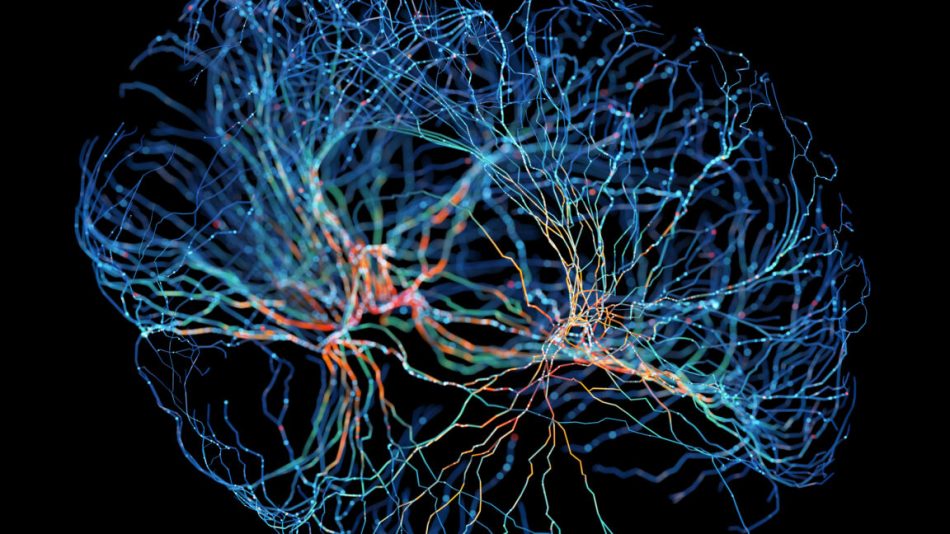
OpenAI starts offering a biology-tuned LLM
In a significant advancement for the field of artificial intelligence, OpenAI has recently announced the launch of a new language model specifically tuned for biological applications. This development aims to bridge the gap between complex biological data and the need for accessible, understandable information in the life sciences.
Understanding Language Models
Language models (LMs) are a type of artificial intelligence that can understand and generate human language. They are trained on vast amounts of text data and can perform a variety of tasks, from answering questions to generating coherent text. OpenAI’s models, including GPT-3 and its successors, have already demonstrated remarkable capabilities in natural language processing.
The Need for a Biology-Tuned LLM
Biology is a complex and rapidly evolving field, with new discoveries and insights emerging almost daily. Researchers, educators, and students often face the challenge of sifting through vast amounts of information to find relevant and accurate data. Traditional language models, while powerful, may not always provide the specificity or accuracy needed for specialized fields like biology.
Challenges in Biological Research
- Complex Terminology: Biology is filled with jargon and specialized terms that can be difficult for non-experts to understand.
- Rapid Advancements: The pace of discovery in biological sciences means that information can quickly become outdated.
- Data Overload: The sheer volume of research papers, articles, and datasets can overwhelm researchers trying to find relevant information.
Features of the Biology-Tuned LLM
The new biology-tuned language model from OpenAI is designed to address these challenges by incorporating specialized training and features tailored to the needs of the biological sciences.
Specialized Training Data
This model has been trained on a diverse array of biological texts, including research papers, textbooks, and databases. By focusing on high-quality, relevant sources, the model can provide more accurate and contextually appropriate responses to queries related to biology.
Enhanced Understanding of Biological Concepts
One of the key advancements of this model is its ability to understand and generate text about complex biological concepts. Whether it’s molecular biology, genetics, or ecology, the model can provide explanations, summaries, and insights that are more aligned with the current state of research.
Improved Interaction with Users
The biology-tuned LLM is designed to interact more effectively with users, allowing for a more conversational and engaging experience. Users can ask questions in natural language and receive responses that are not only informative but also easy to understand.
Applications in the Biological Sciences
The potential applications of this biology-tuned language model are vast, impacting various sectors within the biological sciences.
Research Assistance
Researchers can utilize the model to quickly find relevant studies, summarize findings, and even generate hypotheses based on existing literature. This can significantly speed up the research process and foster innovation.
Educational Tools
Educators can incorporate the model into teaching tools, helping students grasp complex biological concepts through interactive learning experiences. The model can generate quizzes, explain difficult topics, and provide personalized feedback.
Public Engagement and Communication
Science communicators can leverage the model to create accessible content for the general public. By simplifying complex biological topics, the model can help bridge the gap between scientific communities and the public, fostering a better understanding of critical issues such as health, environment, and biodiversity.
Ethical Considerations
As with any powerful technology, the deployment of a biology-tuned LLM raises important ethical considerations. OpenAI is committed to ensuring that its models are used responsibly and for the benefit of society.
Accuracy and Misinformation
One of the primary concerns is the potential for misinformation. While the model is trained on high-quality data, it is essential to verify the information it provides, especially in critical areas such as health and medicine.
Accessibility and Equity
Ensuring that this technology is accessible to all researchers and educators, regardless of their resources, is crucial. OpenAI is exploring ways to make the biology-tuned LLM available to a broader audience, including underfunded institutions and developing regions.
Future Directions
The launch of the biology-tuned LLM is just the beginning. OpenAI plans to continue refining the model based on user feedback and advancements in biological research. Future updates may include:
- Integration with databases and real-time data sources to provide the most current information.
- Enhanced features for specific subfields within biology, such as genomics or environmental science.
- Collaborations with educational institutions to develop tailored applications for teaching and learning.
Conclusion
The introduction of OpenAI’s biology-tuned language model marks a significant step forward in making biological research more accessible and understandable. By addressing the unique challenges of the biological sciences, this model has the potential to transform how researchers, educators, and the public engage with complex biological information.
Note: The ongoing development and deployment of AI technologies require careful consideration of ethical implications and a commitment to responsible use in the scientific community.