NAACP lawsuit accuses Elon Musk’s xAI of polluting Black neighborhoods near Memphis
A new lawsuit has emerged accusing Elon Musk’s artificial intelligence company, xAI, of unlawfully emitting toxic pollutants into residential neighborhoods near the border of Tennessee and Mississippi. The National Association for the Advancement of Colored People (NAACP), supported by environmental advocacy groups, filed the suit in a Mississippi federal court, claiming that xAI is in violation of the Clean Air Act.
Background of the Lawsuit
The lawsuit, filed on April 14, 2026, centers around emissions from a makeshift power plant located in Southaven, Mississippi, which powers xAI’s datacenter in the area. The NAACP alleges that xAI has been polluting neighborhoods that include homes, schools, and churches, particularly affecting historically Black communities. The organization claims that xAI is operating dozens of methane gas generators without the necessary permits.
“A data center should not be a potential death sentence for a community’s health,” stated Abre’ Conner, the director of environmental and climate justice for the NAACP. “By looking to evade clear air laws to operate dirty turbines that emit pollution and known carcinogens, these companies are following a shameful, familiar pattern: asking Black and frontline communities to bear the toxic brunt of ‘innovation’.”
Details of xAI’s Operations
xAI operates two datacenters in the Memphis area, known as “Colossus” and “Colossus II.” The latter is a massive facility covering one million square feet in Southaven, while the original Colossus is located in Memphis’s industrial zone, not far from residential neighborhoods that have historically dealt with harmful pollution.
The NAACP’s lawsuit claims that xAI has illegally installed and operated up to 27 gas turbines, each comparable in size to a large bus. The group asserts that Colossus II has the potential to emit more than 1,700 tons of harmful nitrogen oxides annually, along with other toxic chemicals such as formaldehyde.
Health Impacts on Local Communities
The neighborhoods surrounding the xAI datacenters are predominantly inhabited by Black residents who have been disproportionately affected by environmental issues. Studies indicate that these communities experience higher rates of asthma and respiratory diseases, along with a lower life expectancy compared to other areas in the city. Furthermore, research has shown that these neighborhoods face a cancer risk that is four times the national average.
Legal Demands and Previous Actions
The NAACP is seeking a court ruling that would confirm xAI’s violations of the Clean Air Act. They are also demanding that the company install the “best available control technology” on its power plant and pay financial penalties for each day it has violated federal law. This lawsuit follows a similar pending legal action against xAI concerning its Colossus facility in Memphis.
Growth of xAI and Community Response
xAI’s expansion in the Memphis area began with the announcement of its first Colossus datacenter in 2024, intended to power its chatbot Grok. Shortly after the announcement, numerous methane gas generators began to appear at the facility. Within 122 days of its launch, at least 18 generators were operational, as documented by aerial photographs from the Southern Environmental Law Center.
By April 2025, the number of generators had nearly doubled, although xAI eventually secured permits for only 15 of them. In 2025, the company initiated work on Colossus II in Southaven, bringing in additional portable gas turbines. In March 2026, Mississippi regulators approved a permit for 41 permanent turbines in Southaven, but the NAACP contends that xAI is operating 27 generators at this site without the required air permits.
Community Opposition and Advocacy
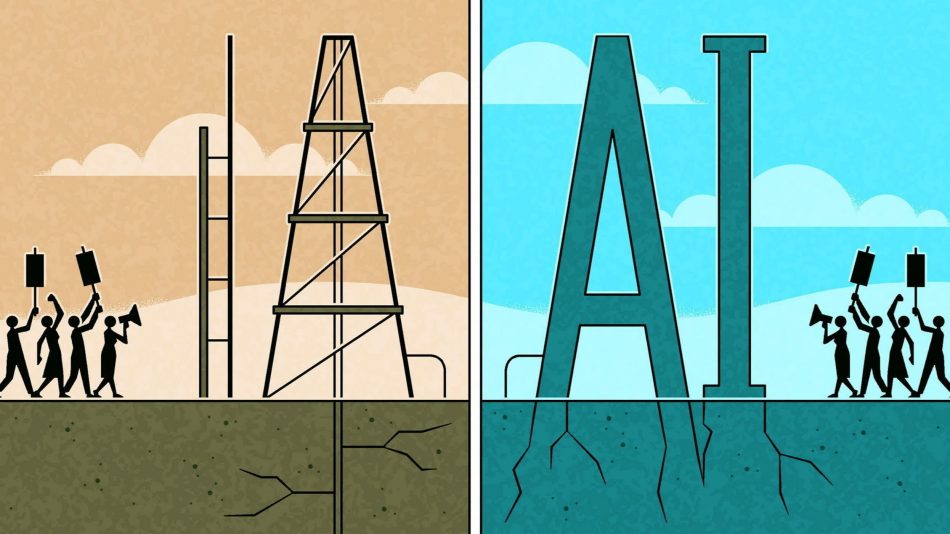
The rapid growth of xAI in Memphis and Southaven has sparked significant opposition from local residents, despite support from city officials and the chamber of commerce. Community members, local politicians, and environmental non-profits have organized protests and public forums to voice their concerns over the pollution generated by xAI.
“Our right to clean air is not up for negotiation, especially when companies prove expediency not people is their priority,” remarked Abre’ Conner of the NAACP, emphasizing the need for accountability from corporations operating in vulnerable communities.
Conclusion
The ongoing legal battle between the NAACP and xAI highlights the intersection of environmental justice and corporate responsibility. As the lawsuit unfolds, it underscores the urgent need for regulatory compliance and the protection of marginalized communities from environmental hazards.
Note: This article is based on recent developments regarding the NAACP lawsuit against xAI and aims to provide an overview of the situation as of April 2026.