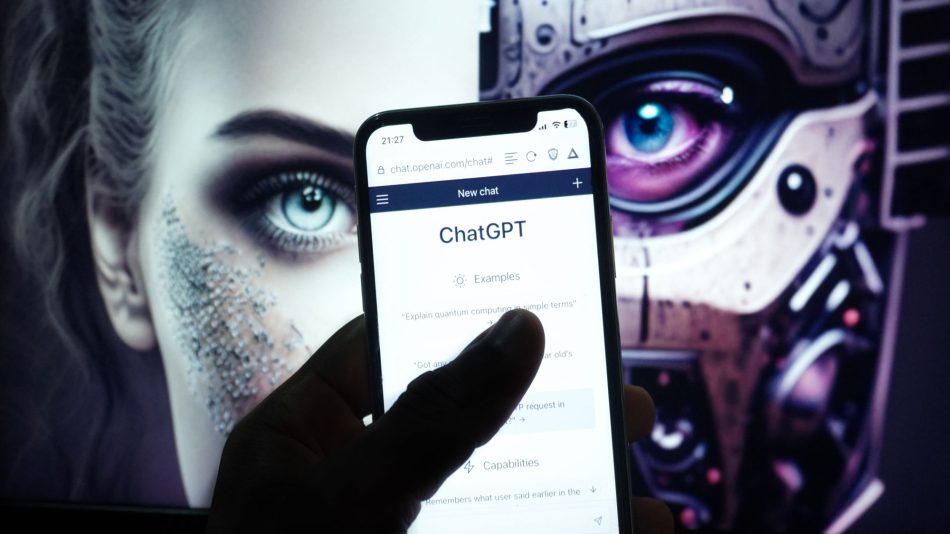
I replaced ChatGPT with Google's offline AI on my phone for 24 hours
In the rapidly evolving world of artificial intelligence, users are constantly seeking the best tools to enhance their productivity and creativity. Recently, I decided to conduct an experiment: I replaced ChatGPT, my go-to AI assistant, with Google’s offline AI on my phone for a full 24 hours. This article details my experience, the features of both AIs, and my overall verdict.
Why the Experiment?
With the rise of AI applications, many users have their preferences based on functionality, ease of use, and accessibility. ChatGPT has been widely popular for its conversational abilities and extensive knowledge base. However, Google’s offline AI offers unique advantages, particularly in situations where internet access is limited. My goal was to evaluate the effectiveness of Google’s AI in real-world scenarios compared to ChatGPT.
Setting Up Google’s Offline AI
Before diving into the experiment, I had to set up Google’s offline AI on my smartphone. The process was relatively straightforward:
- Download the Google Assistant app from the app store.
- Enable offline voice recognition in the app settings.
- Download language packs for offline use.
Once set up, I was ready to start my 24-hour trial.
Features of Google’s Offline AI
Google’s offline AI comes with several notable features:
- Voice Commands: The AI can understand and respond to voice commands without needing an internet connection.
- Basic Queries: Users can ask simple questions and receive answers based on pre-downloaded information.
- Task Management: The AI can assist with setting reminders, managing calendars, and sending messages.
- Integration: It integrates seamlessly with other Google services like Maps and Calendar, even in offline mode.
My Experience Over 24 Hours
Throughout the day, I engaged with Google’s offline AI in various scenarios:
Morning Routine
In the morning, I asked the AI to set reminders for my day. The process was quick and efficient. I was able to set multiple reminders without any hassle. However, when I asked for more complex queries, such as “What are the latest news updates?” I found the responses limited due to the offline capabilities.
Midday Tasks
During lunch, I attempted to use the AI for some quick research. I asked questions about current events and scientific topics. Unfortunately, the offline AI struggled with providing comprehensive answers, as it relied on pre-downloaded data. In contrast, ChatGPT would have provided a more detailed response based on its vast database.
Evening Activities
In the evening, I wanted to unwind by asking for some entertainment recommendations. The Google Assistant provided a few suggestions, but they were limited compared to the personalized recommendations I usually receive from ChatGPT. This highlighted a significant difference in the depth of knowledge between the two AIs.
Comparing ChatGPT and Google’s Offline AI
After my 24-hour trial, I reflected on the strengths and weaknesses of both AIs:
Strengths of ChatGPT
- Comprehensive Responses: ChatGPT excels in providing detailed answers and engaging conversations.
- Adaptability: It can handle a wide range of topics and adjust its tone based on user interactions.
- Access to Current Information: ChatGPT is connected to the internet, allowing it to provide up-to-date information.
Strengths of Google’s Offline AI
- Offline Functionality: The ability to use the AI without internet access is a significant advantage.
- Task Management: It is efficient for managing tasks and reminders on the go.
- Integration with Google Services: Seamless integration with Google services enhances productivity.
Final Verdict
After 24 hours of using Google’s offline AI, I concluded that while it is a useful tool for basic tasks and offline functionality, it does not match the depth and versatility of ChatGPT. If you frequently find yourself without internet access and need a reliable assistant for simple tasks, Google’s offline AI is a solid choice. However, for more complex queries, in-depth discussions, and personalized recommendations, ChatGPT remains the superior option.
Conclusion
In the ever-evolving landscape of AI, both Google’s offline AI and ChatGPT have their unique strengths. Your choice between the two will depend on your specific needs and usage scenarios. Whether you prioritize offline capabilities or comprehensive responses, understanding the differences can help you make an informed decision.
Note: The effectiveness of AI tools can vary based on individual preferences and specific use cases. It’s recommended to explore both options to determine which best suits your needs.