Former Coatue partner raises huge M seed for enterprise AI agent startup
In a significant development in the tech startup landscape, Sycamore, an enterprise AI agent startup, has successfully raised a remarkable $65 million in seed funding. This funding round was led by prominent venture capital firms Coatue and Lightspeed, along with contributions from a notable group of angel investors, including former OpenAI chief scientist Bob McGrew, Intel CEO Lip-Bu Tan, and Databricks CEO Ali Ghodsi.
Background of Sycamore and Its Founder
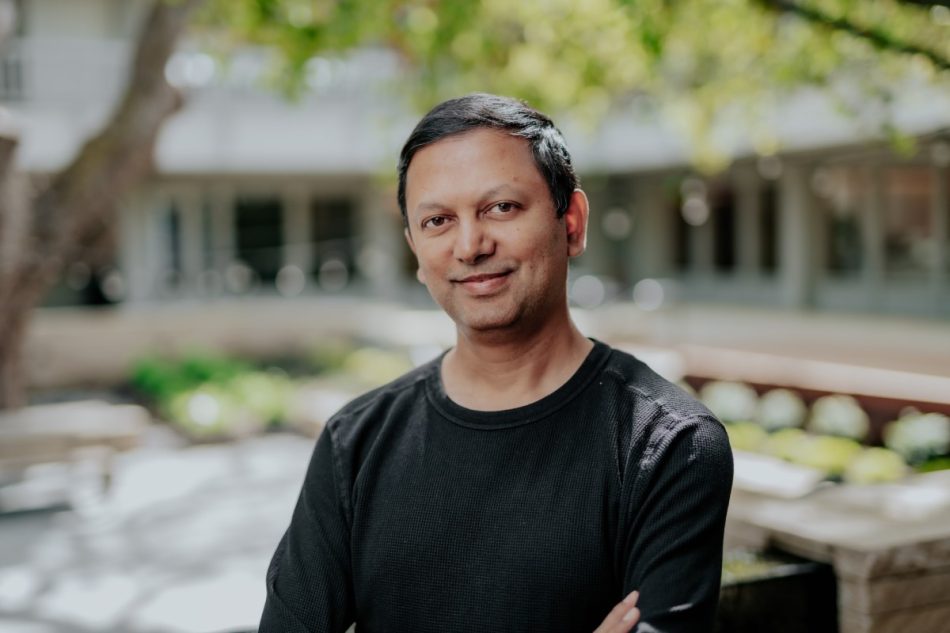
Sycamore’s founder, Sri Viswanath, brings a wealth of experience to the table, having spent over two decades in the tech industry. His background includes significant roles at major companies such as Sun Microsystems, VMware, Groupon, and Atlassian, where he served as CTO and led the company’s cloud transformation. Viswanath left his full-time venture capital role at Coatue in the fall of 2025 to launch Sycamore, where he currently serves as CEO.
Innovative Approach to AI Agents
Unlike many startups in the AI space that focus on narrow solutions, Sycamore aims to create a comprehensive orchestration layer for AI agents. Viswanath emphasizes that the startup is not just layering agents on top of existing workflows but is instead focused on understanding the core problems and building tailored solutions from the ground up. This includes everything from coding to back-end infrastructure, ensuring that the solutions are holistic and effective.
Investor Confidence and Market Competition
The substantial seed funding reflects a strong vote of confidence from investors, particularly given the competitive landscape in which Sycamore is entering. The AI agent market is burgeoning with numerous startups, ranging from small players like Maisa AI to larger entities such as OpenAI-backed Isara, which recently raised $94 million. This competition is not limited to startups; established companies like Microsoft Azure and AWS are also vying for dominance in the enterprise AI space.
Current Traction and Future Prospects
Although Sycamore has already begun to gain traction with several large enterprise customers, the company has chosen not to disclose their identities at this time. This strategic decision may be aimed at maintaining competitive advantage and focusing on building relationships with potential clients. As the market for enterprise AI solutions is expected to grow significantly, Sycamore is well-positioned to capitalize on this trend.
Support from Notable Investors
In addition to the lead investors, a variety of other venture capital firms participated in the funding round, including Abstract Ventures, Dell Technologies Capital, 8VC, Fellows Fund, and E14 Fund. The diverse group of angel investors also includes notable figures such as Okta co-founder Frederic Kerrest, Rubrik and Wisdom AI co-founder Soham Mazumdar, and Zapier and Ndea co-founder Mike Knoop. This extensive network of support underscores the confidence the investment community has in Sycamore’s vision and potential.
Challenges Ahead
Despite the initial success in securing funding and attracting interest from large enterprises, Sycamore faces numerous challenges ahead. The competitive landscape is crowded, with both emerging startups and established tech giants aggressively pursuing market share in the AI agent space. Additionally, as the technology continues to evolve, Sycamore will need to stay ahead of trends and innovations to maintain its competitive edge.
Conclusion
The $65 million seed round for Sycamore marks a significant milestone for the startup and highlights the growing interest in enterprise AI solutions. With a seasoned founder at the helm and a clear vision for building a comprehensive orchestration layer for AI agents, Sycamore is poised to make a substantial impact in the industry. As the market evolves, it will be crucial for the company to navigate the competitive landscape and leverage its early momentum to establish itself as a leader in the field.
Note: The information presented in this article is based on the latest available data as of March 2026 and reflects the current state of the enterprise AI market.