IBM CEO sends blunt message on AI and quantum computing
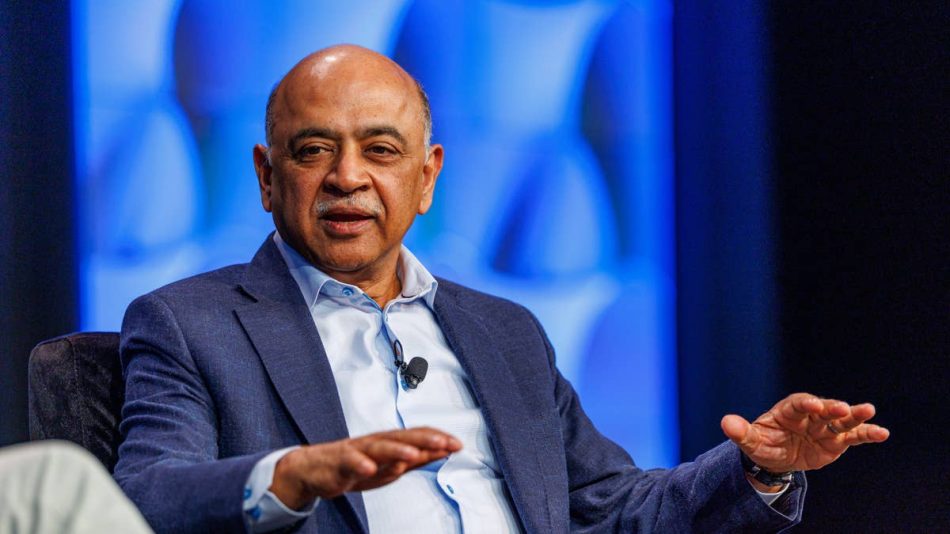
In a recent address, IBM’s CEO, Arvind Krishna, delivered a forthright message regarding the future of artificial intelligence (AI) and quantum computing. His insights reflect the company’s strategic direction and the broader implications for the technology industry as a whole.
The Current Landscape of AI
Artificial intelligence is rapidly evolving, with businesses across various sectors increasingly adopting AI technologies to enhance productivity and streamline operations. Krishna emphasized that AI is no longer a futuristic concept but a present-day reality that is transforming industries.
According to Krishna, the integration of AI into business processes is essential for companies seeking to maintain a competitive edge. He noted that organizations leveraging AI effectively are experiencing significant improvements in efficiency and innovation.
Key Trends in AI Adoption
- Increased Investment: Companies are allocating more resources towards AI development and implementation.
- Focus on Ethics: There is a growing emphasis on ethical AI, ensuring that AI systems are transparent and fair.
- AI in Decision-Making: Businesses are utilizing AI to inform strategic decisions, enhancing data-driven approaches.
- AI and Automation: Automation powered by AI is streamlining operations, reducing costs, and improving service delivery.
Quantum Computing: The Next Frontier
Alongside AI, Krishna highlighted the importance of quantum computing as a transformative technology that could redefine problem-solving capabilities across various fields. Quantum computing harnesses the principles of quantum mechanics to process information in ways that classical computers cannot.
Krishna pointed out that quantum computing has the potential to solve complex problems in seconds that would take traditional computers years to address. This capability could revolutionize sectors such as pharmaceuticals, finance, and logistics by enabling breakthroughs in drug discovery, risk assessment, and supply chain optimization.
Challenges in Quantum Computing
Despite its promise, quantum computing faces several challenges that need to be addressed for widespread adoption:
- Technical Hurdles: Developing stable quantum systems remains a significant challenge, as qubits are highly susceptible to environmental interference.
- Scalability: Building scalable quantum computers that can outperform classical systems is still a work in progress.
- Cost: The financial investment required for quantum research and development is substantial, posing a barrier for many organizations.
- Talent Shortage: There is a lack of skilled professionals in the quantum computing field, which can impede progress.
IBM’s Commitment to AI and Quantum Computing
IBM has long been a pioneer in both AI and quantum computing. The company is committed to advancing these technologies through extensive research and collaboration. Krishna mentioned several initiatives aimed at fostering innovation in these domains.
IBM’s AI Initiatives
IBM has developed a range of AI solutions that cater to various industries, including:
- IBM Watson: A suite of AI tools designed to assist businesses in data analysis and decision-making.
- AI Ethics Framework: A set of guidelines to ensure responsible AI development and deployment.
- Industry-Specific Solutions: Tailored AI applications for sectors such as healthcare, finance, and retail.
Advancements in Quantum Computing
IBM has made significant strides in quantum computing, including:
- IBM Quantum Experience: A cloud-based platform that allows researchers and developers to access quantum computers for experimentation.
- Qiskit: An open-source quantum computing software development framework that enables users to create quantum programs.
- Partnerships: Collaborations with universities and research institutions to advance quantum research and education.
The Future of AI and Quantum Computing
As AI and quantum computing continue to evolve, Krishna believes that their convergence will unlock new possibilities. The integration of AI with quantum computing could lead to unprecedented advancements in data processing, optimization, and predictive analytics.
Krishna urged businesses to embrace these technologies proactively, as the future will favor those who are willing to innovate and adapt. He highlighted that organizations that invest in AI and quantum computing today will be better positioned to thrive in the competitive landscape of tomorrow.
Conclusion
In summary, IBM’s CEO, Arvind Krishna, has delivered a clear message about the critical role of AI and quantum computing in shaping the future of technology. As companies navigate this rapidly changing landscape, those who prioritize the adoption of these transformative technologies will likely gain a significant advantage.
Note: The insights shared in this article reflect the views of IBM’s leadership and the current trends in the technology sector as of October 2023.