Nebius unveils plans to build one of Europe's largest AI factories as region scrambles for compute
On March 31, 2026, Nebius announced its ambitious plans to construct a new AI data center in Lappeenranta, Finland. This facility is set to become one of the largest AI factories in Europe, as the region intensifies its efforts to develop the necessary infrastructure to support the growing demand for artificial intelligence (AI) capabilities.
The Need for AI Infrastructure in Europe
As the AI boom continues to accelerate, Europe is racing to establish the computational infrastructure required to support this technological revolution. The demand for AI services has surged, leading to a significant increase in investments and projects aimed at enhancing data processing capabilities across the continent.
Nebius’s New AI Data Center
The new facility in Finland will have an impressive capacity of up to 310 megawatts (MW). Nebius’s CEO, Arkady Volozh, expressed enthusiasm about the project, stating, “We have been building in Finland for many years and are pleased to be expanding our presence here. Lappeenranta represents a significant addition to our global AI infrastructure build-out and will make a significant contribution to achieving our capacity goals.”
Timeline and Expectations
Nebius anticipates that the data center will begin supplying customers by 2027. This timeline aligns with the company’s broader strategy to enhance its AI compute capabilities and meet the increasing demand from various sectors, including technology, healthcare, and finance.
Recent Developments in AI Infrastructure Across Europe
Nebius’s announcement comes amid a wave of similar infrastructure developments across Europe. Notable projects include:
- Mistral: A French AI startup that recently secured $830 million in debt financing to operate a data center near Paris.
- Sweden’s AI Initiatives: A 1.2 billion euro ($1.38 billion) plan was announced in February to build data centers and enhance compute capacity in Sweden.
- Nscale: A U.K. startup that raised $2 billion at a valuation of $14.6 billion, with plans to develop AI data centers in the U.K., Europe, and the U.S.
- MGX and Partners: In 2025, MGX, Bpifrance, Mistral, and Nvidia unveiled plans for a 1.4 gigawatt (GW) AI campus in France.
- Brookfield: The investment firm announced plans to invest up to $9.9 billion in an AI data center in Sweden.
- OpenAI: Last year, OpenAI announced a partnership with Nscale to launch a Stargate-style AI data center in Norway.
Challenges Faced by Europe in AI Infrastructure Development
Despite the surge in AI infrastructure projects, Europe faces several challenges in building out its capabilities:
- High Energy Costs: The price of energy in Europe is generally higher than in the U.S., which poses a significant hurdle for data center operations.
- Grid Connection Issues: Many projects encounter difficulties in connecting to national power grids or accessing alternative energy sources.
Nebius’s Position in the AI Market
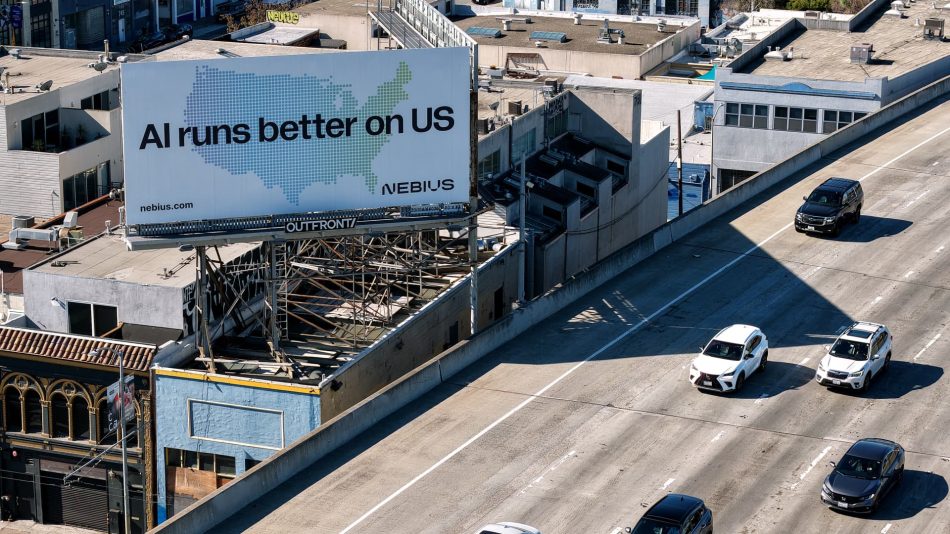
Nebius, headquartered in the Netherlands and listed in the U.S., has emerged as one of the leading neocloud providers of AI compute services in Europe. The company is targeting over 3 GW of contracted power by the end of the year. In the EMEA region, Nebius has already secured more than 750 MW of contracted power, including an AI factory near Lille, France, which is expected to reach a capacity of 240 MW when fully operational.
Future Prospects
The AI landscape is evolving rapidly, and companies like Nebius are at the forefront of this transformation. With the increasing reliance on AI technologies across various sectors, the demand for robust and scalable data centers is expected to grow. Nebius’s strategic investments in AI infrastructure will likely position the company favorably in the competitive landscape.
Conclusion
Nebius’s plans to build one of Europe’s largest AI factories in Finland highlight the region’s commitment to expanding its AI capabilities. As the demand for AI services continues to rise, investments in infrastructure will be crucial for meeting the needs of businesses and consumers alike.
Note: The information in this article is based on data available as of October 2023 and is subject to change as new developments occur in the AI sector.