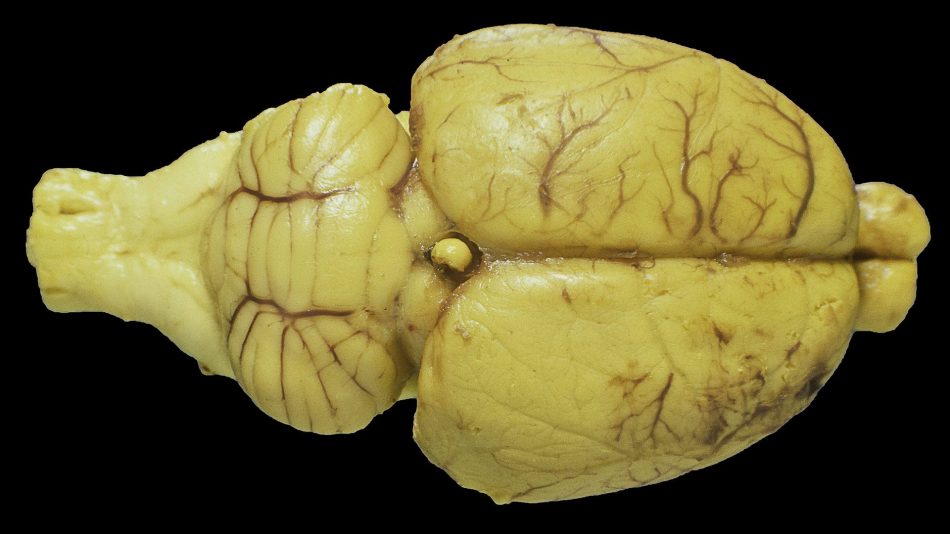
Researchers train living rat neurons to perform real-time AI computations — experiments could pave the way for new brain-machine interfaces
Recent advancements in neuroscience and artificial intelligence have led to groundbreaking experiments where living rat neurons are trained to perform real-time computations. This innovative research, conducted by a team from Tohoku University and Future University Hakodate in Japan, could pave the way for new brain-machine interfaces, revolutionizing how we interact with technology.
Overview of the Research
The study focuses on cultured rat cortical neurons, which were trained to autonomously generate complex temporal signals. These signals included sine waves and chaotic patterns, showcasing the neurons’ ability to process information akin to artificial intelligence systems. The researchers employed a real-time machine learning framework to facilitate this process.
Significance of the Study
This research holds significant implications for both neuroscience and AI, as it blurs the lines between biological and artificial systems. By demonstrating that living neurons can be trained to perform computations, the study opens new avenues for brain-machine interfaces that could enhance communication between humans and machines.
Methodology
The researchers utilized a microfluidic platform to create a controlled environment for the rat neurons. This platform allowed for precise manipulation of the neuronal culture, enabling the team to monitor and influence the neurons’ activity in real-time.
Training Process
The training process involved exposing the neurons to various stimuli and using machine learning algorithms to analyze their responses. The neurons were rewarded for producing desired outputs, reinforcing their ability to generate specific signals. This method mirrors how traditional machine learning models are trained, emphasizing the parallels between biological and artificial intelligence.
Results
The results of the study were promising. The cultured neurons successfully generated complex signals on command, demonstrating a level of computational ability previously thought to be exclusive to artificial systems. The ability to produce both sine waves and chaotic signals indicates a sophisticated level of processing that could be harnessed for various applications.
Potential Applications
- Brain-Machine Interfaces: The findings could lead to the development of more advanced brain-machine interfaces that allow for seamless communication between the human brain and external devices.
- Neuroprosthetics: Enhanced control over neuroprosthetic devices could improve the quality of life for individuals with disabilities.
- AI Development: Insights gained from biological systems may inform the design of more efficient and adaptable AI algorithms.
Ethical Considerations
As with any research involving living organisms, ethical considerations must be addressed. The use of rat neurons raises questions about the moral implications of manipulating biological systems for technological advancement. Researchers must ensure that their work adheres to ethical guidelines and prioritizes the welfare of the organisms involved.
Future Directions
The promising results from this study suggest several potential directions for future research. Scientists may explore the following:
- Scaling Up: Investigating whether larger networks of neurons can be trained to perform more complex computations.
- Integration with AI: Developing hybrid systems that combine biological neurons with artificial intelligence to enhance computational capabilities.
- Long-Term Viability: Studying the long-term viability of cultured neurons in performing sustained computations over extended periods.
Conclusion
The training of living rat neurons to perform real-time AI computations marks a significant milestone in the intersection of neuroscience and artificial intelligence. As researchers continue to explore the capabilities of biological systems, we may witness the emergence of innovative technologies that enhance human-machine interaction. The implications of this research extend beyond the laboratory, potentially transforming fields such as medicine, robotics, and AI development.
Note: The information presented in this article is based on research findings and may evolve as new studies are conducted in this rapidly advancing field.