Indore’s green claims fall short: Sparse shade despite 20 lakh trees; IIT study warns of rising temperatures
Indore, a city known for its ambitious green initiatives, is facing scrutiny as recent studies reveal that its claims of extensive tree planting have not translated into effective urban cooling. Despite municipal records indicating over 1,400 gardens and nearly 20 lakh trees, the reality on the ground tells a different story. Residents are left struggling for shade and relief during the peak summer months.
Tree Numbers High on Paper, Impact Missing
According to municipal records, Indore boasts a significant number of various plants, including:
- Custard apple: 100,000
- Hadjod: 90,000
- Ashwagandha: over 65,000
- Chitrak: numerous
- Black turmeric: numerous
However, these plantations have had little visible impact on reducing urban heat. Despite annual claims of planting lakhs of saplings, rising temperatures suggest limited effectiveness. With a population exceeding 35 lakh, the city has roughly 0.57 trees per person—about one tree for every two residents—highlighting a significant lack of green cover.
Call for ‘Shade City’ Over ‘Smart City’
Urban planners argue that transforming Indore into a “smart city” requires more than just IT parks and wide roads. They emphasize the need for creating “green pockets” throughout the city, similar to those found in Kothari Market. Experts recommend planting canopy-forming trees such as:
- Banyan
- Peepal
- Neem
- Mahua
These trees are essential for providing dense shade and cooling, which can significantly improve the urban environment.
Decline in Green Cover Since 2000
Until the year 2000, Indore’s roads were lined with dense greenery. Major stretches, such as:
- Mhow Naka to Annapurna
- Mhow Naka to Footi Kothi
- Lasudia to Rajiv Pratima
were once adorned with continuous rows of peepal, neem, and banyan trees, which have now largely disappeared. Even the Ring Road, which was once lined with thousands of trees, has seen a significant loss of green cover.
Key Projects Still Incomplete
Several green initiatives remain unfinished, including:
- The development of 100 “Ahilya Vans”
- The Umang Vatika project
The lack of progress on these projects raises concerns about the city’s commitment to enhancing its green cover.
Natural Cooling Reduces Heat and Energy Use
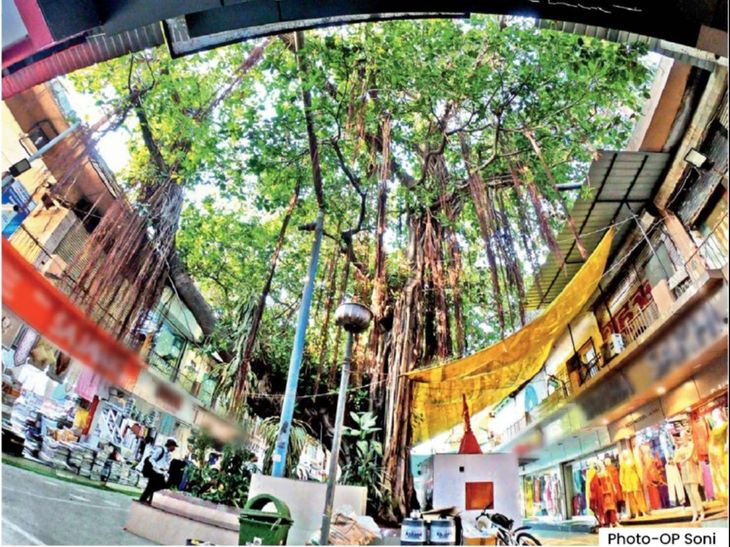
At Kothari Market, centuries-old banyan and peepal trees provide essential natural cooling. While the market hosts hundreds of air-conditioned shops, the real cooling effect comes from the tree cover, which can lower temperatures by 3–4°C. Traders report that the shade reduces direct sunlight on shop walls, leading to lower indoor temperatures and decreased electricity consumption.
How Trees Provide Natural Cooling
Trees play a crucial role in cooling urban environments through several mechanisms:
- Transpiration: Trees release fine water particles through their leaves, absorbing heat as they evaporate, which cools the surrounding air.
- Canopy Effect: Dense foliage blocks direct sunlight from reaching roads and buildings, preventing heat buildup.
- Cooling Concrete: Trees help reduce the “concrete heat island” effect by absorbing heat and improving air circulation.
Rapid Loss of Green Belt
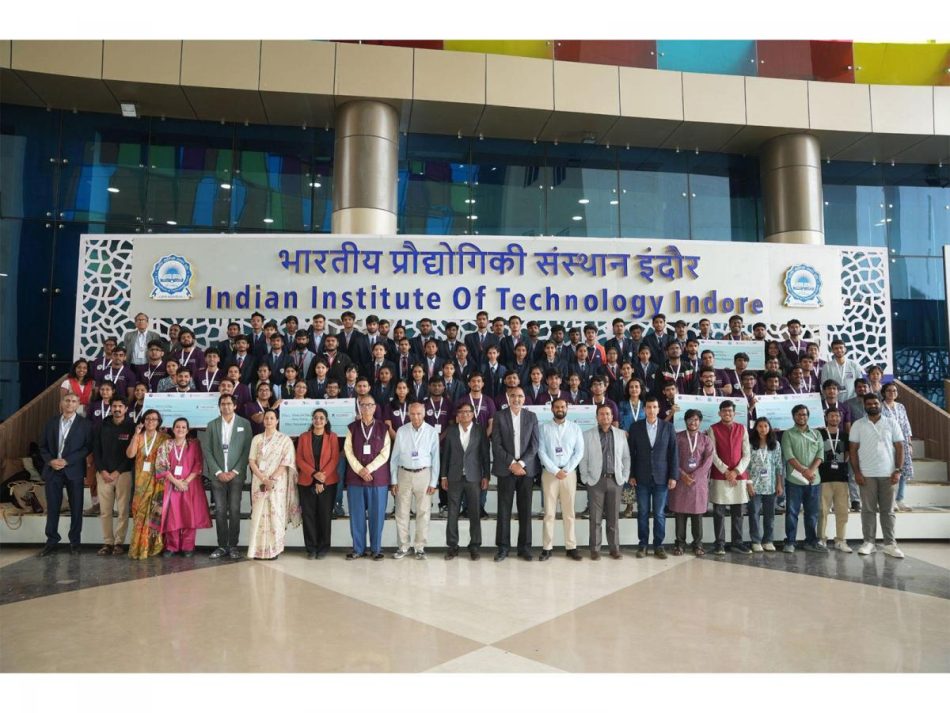
Infrastructure projects, such as metro construction, road widening, and flyovers, have led to the cutting down of thousands of mature trees in the past year. An Indian Institute of Technology (IIT) study has indicated a rise in heatwave days alongside a rapid decline in the city’s green belt. Alarmingly, there is no precise official record of the city’s total green cover, which complicates efforts to address the issue.
Conclusion
Indore’s ambitious green initiatives have not yet yielded the desired results in terms of urban cooling and shade provision. As temperatures continue to rise, it is crucial for city planners and authorities to reassess their strategies and prioritize the establishment of a more sustainable urban environment. The focus must shift from merely increasing tree counts to ensuring that these trees effectively contribute to cooling and enhancing the quality of life for residents.
Note: The information presented in this article is based on recent studies and municipal records, highlighting the urgent need for effective urban planning and environmental management in Indore.