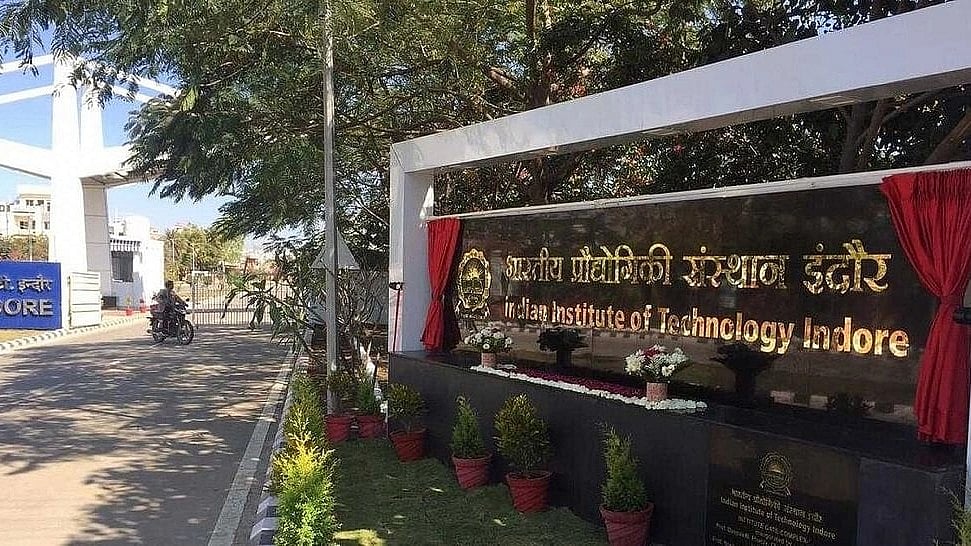
From Lab to Land: IIT-Indore Develops Solutions for Water Audit & Pollution Control
Indore, India – The Indian Institute of Technology-Indore (IIT-I) is making significant strides in addressing water management and pollution control through innovative research. A new ‘tiered’ water audit framework has been developed, promising to revolutionize the way water is used and conserved in urban settings. This initiative aims to mitigate the financial burden on citizens caused by water wastage, especially during peak summer months.
The Challenge of Non-Revenue Water
One of the critical issues that the new framework addresses is ‘non-revenue water’ (NRW). NRW refers to the substantial amounts of water that are lost due to underground leaks or unauthorized connections. This loss not only affects the environment but also leads to increased water bills for consumers. IIT-Indore’s research focuses on ensuring that citizens only pay for the water that actually reaches their taps, thereby reducing unnecessary financial strain.
Collaboration with Bureau of Indian Standards (BIS)
In a bid to translate research into practical solutions, IIT-Indore has partnered with the Bureau of Indian Standards (BIS). This collaboration has resulted in the approval of six critical research projects aimed at tackling pressing challenges in sustainability and civic infrastructure. Out of 33 research proposals submitted by IIT-Indore faculty, six were sanctioned, marking a significant achievement for the institute.
Focus Areas of Research Projects
The approved projects encompass a variety of high-impact areas, including:
- Developing standard protocols to measure and conserve water usage in industries and townships.
- Creating accurate standard-compliant systems for monitoring environmental quality.
- Innovating in waste management and public hygiene infrastructure.
- Conducting material testing to ensure construction and manufacturing materials meet rigorous safety and durability standards.
Workshop on Sustainable Development
The significance of these projects was highlighted during a recent workshop titled ‘BIS–Academia Collaboration for Sustainable Development’ held at the IIT-Indore campus. The event attracted over 200 delegates, showcasing how the institute is leveraging the standardization framework to create market-ready solutions.
Insights from IIT-Indore Leadership
During the inaugural address, Professor Suhas Joshi, Director of IIT-Indore, emphasized the importance of standardization as a critical enabler for quality, innovation, and sustainability. He stated, “Strong collaboration among academia, industry, startups, and BIS is essential to translate research outcomes into scalable, market-ready, and socially relevant solutions.”
Student Engagement and Industry Compliance
To ensure that the innovations developed at IIT-Indore reach the industry effectively, the institute has established seven ‘BIS Student Chapters’ across various disciplines, including civil, mechanical, and chemical engineering. These chapters are designed to train students on adhering to Indian standards from the prototype stage, ensuring that startups and innovations emerging from the campus are industry-compliant by default.
Knowledge Hub for Future Innovators
In addition to the student chapters, IIT-Indore has set up a ‘BIS Corner’ on campus, which serves as a knowledge hub for students and startups. This initiative aims to help align research with national quality standards, fostering a culture of compliance and innovation among future engineers and entrepreneurs.
Conclusion
The initiatives undertaken by IIT-Indore represent a significant step toward sustainable water management and pollution control in India. By focusing on practical solutions and fostering collaboration between academia and industry, the institute is paving the way for a more sustainable future. The emphasis on standardization and compliance will not only benefit the environment but also ensure that citizens receive reliable and affordable water services.
Note: The information presented in this article is based on recent developments at IIT-Indore and reflects the institute’s commitment to addressing critical environmental challenges through innovative research and collaboration.