
IIT Madras director supports Viksit Bharat 2047 goals in Tamil Nadu
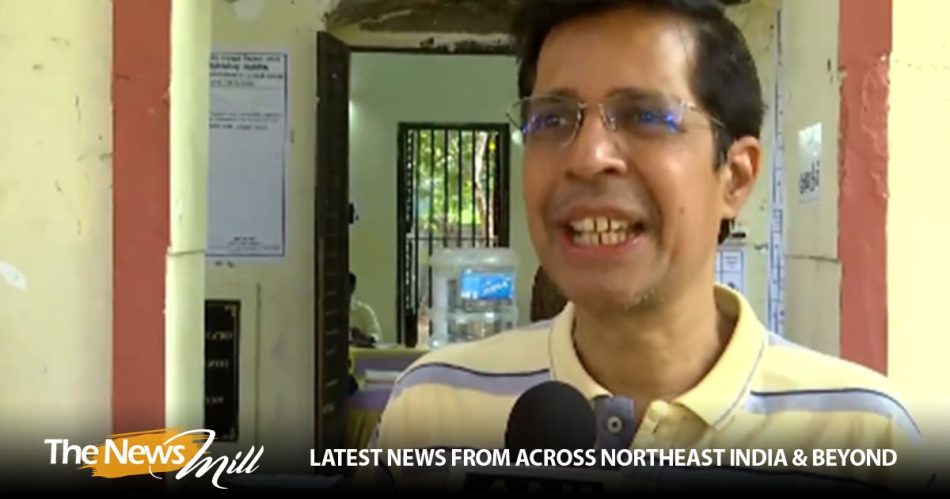
The Director of IIT Madras, Veezhinathan Kamakoti, has publicly endorsed the Viksit Bharat 2047 initiative, emphasizing the importance of education and healthcare in achieving the goals set for Tamil Nadu. His remarks came during the Tamil Nadu Assembly elections, where he participated by casting his vote in Chennai’s Mylapore district.
Viksit Bharat 2047: A Vision for the Future
The Viksit Bharat 2047 initiative aims to transform India into a developed nation by the year 2047, coinciding with the centenary of India’s independence. This ambitious vision encompasses various sectors, with a particular focus on:
- Education: Enhancing the quality of education and accessibility for all.
- Healthcare: Improving healthcare services and ensuring they are available to every citizen.
- Infrastructure: Developing robust infrastructure to support economic growth.
- Technology: Promoting innovation and technological advancements.
Kamakoti’s Remarks on Education and Healthcare
In his statement to ANI, Kamakoti highlighted the progress Tamil Nadu has made in the fields of education and healthcare. He stated, “We have 21 years for Viksit Bharat 2047, which is very important. All the governments and states have to fine-tune themselves. Education and health are very important priorities. We have been doing well as a state, and I am sure we will continue this great job, and we will offer the best in terms of these two, the highest priority.”
The Role of Government in Achieving Goals
Kamakoti’s call to action emphasizes the need for both state and central governments to collaborate and focus on these essential sectors. The success of Viksit Bharat 2047 will depend on:
- Strategic planning and implementation of educational reforms.
- Investment in healthcare infrastructure and services.
- Public-private partnerships to foster innovation.
- Community engagement to ensure inclusive growth.
Election Context and Participation
On the same day as Kamakoti’s remarks, Tamil Nadu was engaged in its Assembly elections, with many prominent figures participating in the voting process. Notable personalities, including megastar Rajinikanth and actor S Ajith Kumar, were seen casting their votes, highlighting the active involvement of the film industry in the political landscape.
Security Measures During Elections
In preparation for the elections, approximately 1.47 lakh security personnel were deployed across Tamil Nadu. This included:
- Police and paramilitary forces.
- Fire and rescue services.
- Forest department staff and prison personnel.
- Retired military personnel and home guards.
According to police officials, around 23,000 paramilitary personnel from 295 companies were actively involved in maintaining security during the polling process. Additionally, special task force personnel patrolled the state in 514 vehicles to ensure law and order.
Voter Demographics
The Tamil Nadu electorate for the Assembly elections comprised over 5.73 crore voters, including:
- 29,304,905 female voters
- 28,030,658 male voters
- 7,728 third-gender voters
Moreover, the election commission catered to 14,59,039 first-time voters and 68,501 service voters, with 418,541 postal votes already received prior to the election day.
Political Landscape and Contest
The elections featured a significant contest between the DMK-led Secular Progressive Alliance, which includes the Congress, DMDK, and VCK, and the National Democratic Alliance led by AIADMK, with BJP and PMK as allies. The DMK is campaigning on its Dravidian 2.0 model, while the AIADMK-led NDA seeks to regain power.
Additionally, actor-turned-politician Vijay made his electoral debut with his party, Tamilaga Vettri Kazhagam (TVK), potentially creating a three-way contest in the elections.
Conclusion
The support of influential figures like IIT Madras Director Veezhinathan Kamakoti for the Viksit Bharat 2047 initiative underscores the critical role of education and healthcare in shaping the future of Tamil Nadu. As the state navigates its political landscape, the focus on these sectors will be essential for achieving the broader goals of national development.
Note: This article is based on information available as of April 2026 and aims to provide insight into the ongoing developments in Tamil Nadu’s political and educational landscape.


