A. I. High School Is Put on Hold After Parental Backlash
In recent months, the concept of an artificial intelligence (AI) high school has gained traction among educators and technology advocates. However, the initiative has faced significant pushback from parents concerned about the implications of such a program on their children’s education. This article explores the reasons behind the parental backlash, the potential benefits of AI in education, and the future of the AI high school initiative.
The Concept of AI High Schools
AI high schools are designed to integrate artificial intelligence into the curriculum, providing students with a unique learning experience that emphasizes technology and innovation. The goal is to prepare students for a rapidly changing job market where AI and automation play a significant role.
Proponents of AI high schools argue that these institutions can offer personalized learning experiences, enhance critical thinking skills, and foster creativity among students. By incorporating AI tools into the classroom, educators hope to create an environment where students can thrive in a technology-driven world.
Parental Concerns
Despite the potential benefits, many parents have expressed concerns regarding the implementation of AI high schools. The backlash can be attributed to several key factors:
- Data Privacy: Parents worry about how their children’s data will be collected, stored, and used by AI systems. The fear of data breaches and misuse of personal information is a significant concern.
- Job Displacement: There is a growing anxiety about the future job market, with many parents fearing that an overemphasis on AI could lead to job displacement for their children in the future.
- Quality of Education: Some parents question whether AI can truly enhance the educational experience or if it will replace traditional teaching methods that have proven effective over the years.
- Social Interaction: The potential for reduced face-to-face interaction in an AI-driven environment raises concerns about students’ social skills and emotional development.
Community Reactions
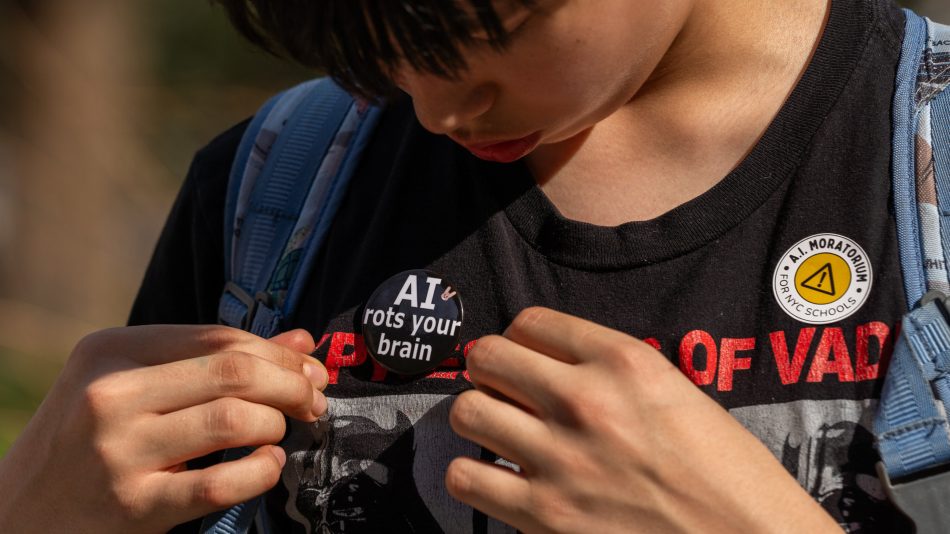
The backlash from parents has sparked a broader community debate about the role of technology in education. Many community members have voiced their opinions at school board meetings, expressing their fears and hopes regarding the future of education.
Some advocates for the AI high school initiative argue that the program could provide students with invaluable skills that are increasingly in demand. They emphasize the importance of preparing students for a future where technology is integrated into all aspects of life.
On the other hand, opponents stress the need for a balanced approach that incorporates technology while still valuing traditional educational methods. They argue that a hybrid model, combining AI tools with conventional teaching practices, may be the most effective way to educate students.
The Role of Educators
Educators play a crucial role in addressing parental concerns and shaping the future of AI in education. Teachers can help bridge the gap between technology and traditional learning by:
- Engaging Parents: Open communication with parents about the benefits and challenges of AI in education can help alleviate fears and build trust.
- Professional Development: Providing teachers with training on how to effectively integrate AI tools into their classrooms can ensure that technology enhances rather than detracts from the learning experience.
- Creating a Balanced Curriculum: Developing a curriculum that incorporates both AI and traditional teaching methods can help address concerns about the quality of education.
Potential Benefits of AI in Education
Despite the concerns, there are numerous potential benefits to incorporating AI into high school education:
- Personalized Learning: AI can analyze student performance and tailor educational content to meet individual needs, helping students learn at their own pace.
- Enhanced Engagement: Interactive AI tools can make learning more engaging and enjoyable for students, fostering a love for learning.
- Real-World Applications: AI can provide students with practical experience in using technology, preparing them for future careers in a tech-driven job market.
- Data-Driven Insights: AI can help educators identify trends in student performance, allowing for targeted interventions and support.
The Future of AI High Schools
As discussions continue, the future of AI high schools remains uncertain. School districts are weighing the benefits of embracing technology against the concerns raised by parents and community members. Some districts have decided to pause the implementation of AI high schools while they gather more feedback and develop strategies to address parental concerns.
In the meantime, educators and technology advocates are exploring alternative models that incorporate AI without fully committing to the high school format. This may include pilot programs, after-school initiatives, or partnerships with local tech companies to provide students with exposure to AI technologies.
Conclusion
The debate surrounding AI high schools highlights the complexities of integrating technology into education. While the potential benefits of AI are significant, addressing parental concerns is crucial for the successful implementation of such programs. As schools navigate this challenging landscape, it is essential to strike a balance between embracing innovation and maintaining the core values of education.
Note: The discussion surrounding AI in education is ongoing, and it is essential to stay informed about developments in this rapidly evolving field.