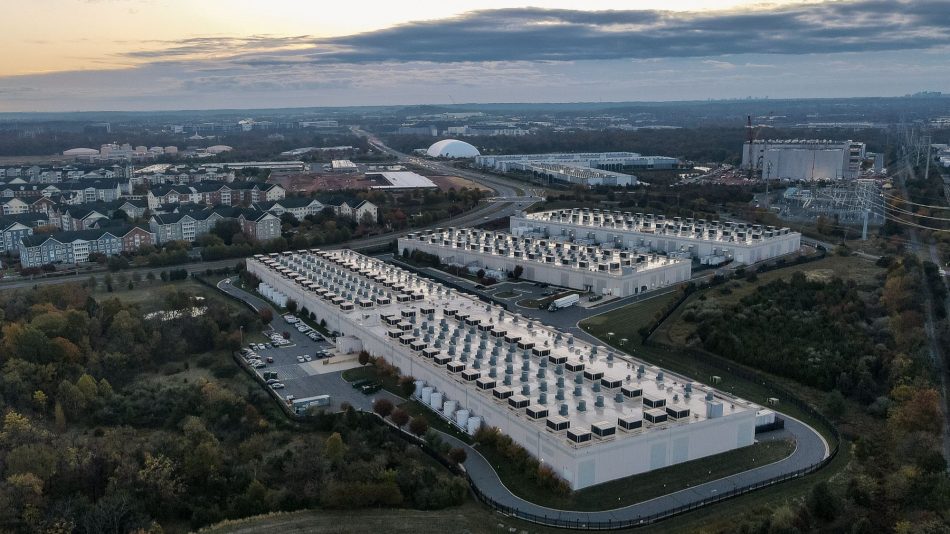
New AI data center in Utah will generate and consume more than twice the amount of power the entire state uses — Kevin O'Leary's 9 Gigawatt Utah data center campus approved
In a groundbreaking development, a new AI data center campus has been approved in Utah, spearheaded by investor Kevin O’Leary. This ambitious project is set to generate and consume more than twice the amount of power that the entire state of Utah currently uses. With a staggering capacity of 9 gigawatts, this data center is poised to become one of the largest of its kind in the world.
The Scale of the Project
The proposed data center will not only serve the needs of AI and cloud computing but will also significantly impact the local and state economy. Here are some key points regarding the scale of the project:
- Capacity: The data center will have a total capacity of 9 gigawatts.
- Power Consumption: It is expected to consume more power than the entire state of Utah, which has a population of approximately 3.3 million people.
- Power Generation: The facility will also generate substantial amounts of energy, contributing to the local power grid.
Impact on Utah’s Energy Infrastructure
The introduction of such a massive data center raises important questions about Utah’s energy infrastructure and sustainability. Here are some considerations:
- Energy Demand: The data center’s energy consumption will place a significant strain on Utah’s existing power infrastructure, which may require upgrades and expansions.
- Renewable Energy: There is an ongoing discussion about the potential for utilizing renewable energy sources to power the data center, aligning with global sustainability goals.
- Local Economy: The project is expected to create jobs and stimulate economic growth in the region, but it may also lead to increased energy costs for residents.
Technological Advancements
This data center will leverage cutting-edge technology to optimize its operations. Some of the technological advancements expected to be implemented include:
- AI Optimization: Utilizing artificial intelligence to manage energy consumption and improve efficiency.
- Advanced Cooling Systems: Implementing innovative cooling solutions to reduce energy usage and maintain optimal server temperatures.
- Smart Grid Integration: Collaborating with local utilities to integrate with the smart grid, allowing for better energy management and distribution.
Environmental Considerations
While the project promises economic benefits, it also raises environmental concerns. Key environmental considerations include:
- Carbon Footprint: The significant energy consumption could lead to increased carbon emissions unless renewable energy sources are utilized.
- Water Usage: Data centers require substantial water for cooling, which could strain local water resources.
- Land Use: The construction of the data center will require significant land, potentially impacting local ecosystems and wildlife.
Community Response
The approval of the data center has elicited mixed reactions from the local community. Some residents are excited about the potential economic opportunities, while others express concerns about environmental impacts and energy costs. Here are some community perspectives:
- Supporters: Proponents argue that the data center will create jobs and attract further investment to the area.
- Opponents: Critics warn that the project could lead to higher energy prices and environmental degradation.
- Balanced Approach: Many community members are calling for a balanced approach that prioritizes renewable energy and environmental protection.
Future Implications
The establishment of this data center could set a precedent for future projects across the United States and beyond. The implications of this project extend beyond Utah and could influence:
- Data Center Development: Other states may look to replicate Utah’s model, leading to a boom in data center construction.
- Energy Policy: Policymakers may need to reassess energy regulations and incentives to accommodate large-scale data centers.
- Technological Innovation: The project could spur advancements in energy-efficient technologies and practices in the data center industry.
Conclusion
The approval of Kevin O’Leary’s 9-gigawatt AI data center in Utah marks a significant milestone in the evolution of data centers and their role in the energy landscape. While the project promises substantial economic benefits, it also raises critical questions about energy consumption, environmental impact, and community well-being. As this project moves forward, it will be essential for stakeholders to engage in meaningful dialogue to ensure a sustainable and balanced approach to development.
Note: The information presented in this article is based on data available as of October 2023 and may be subject to change as the project progresses.