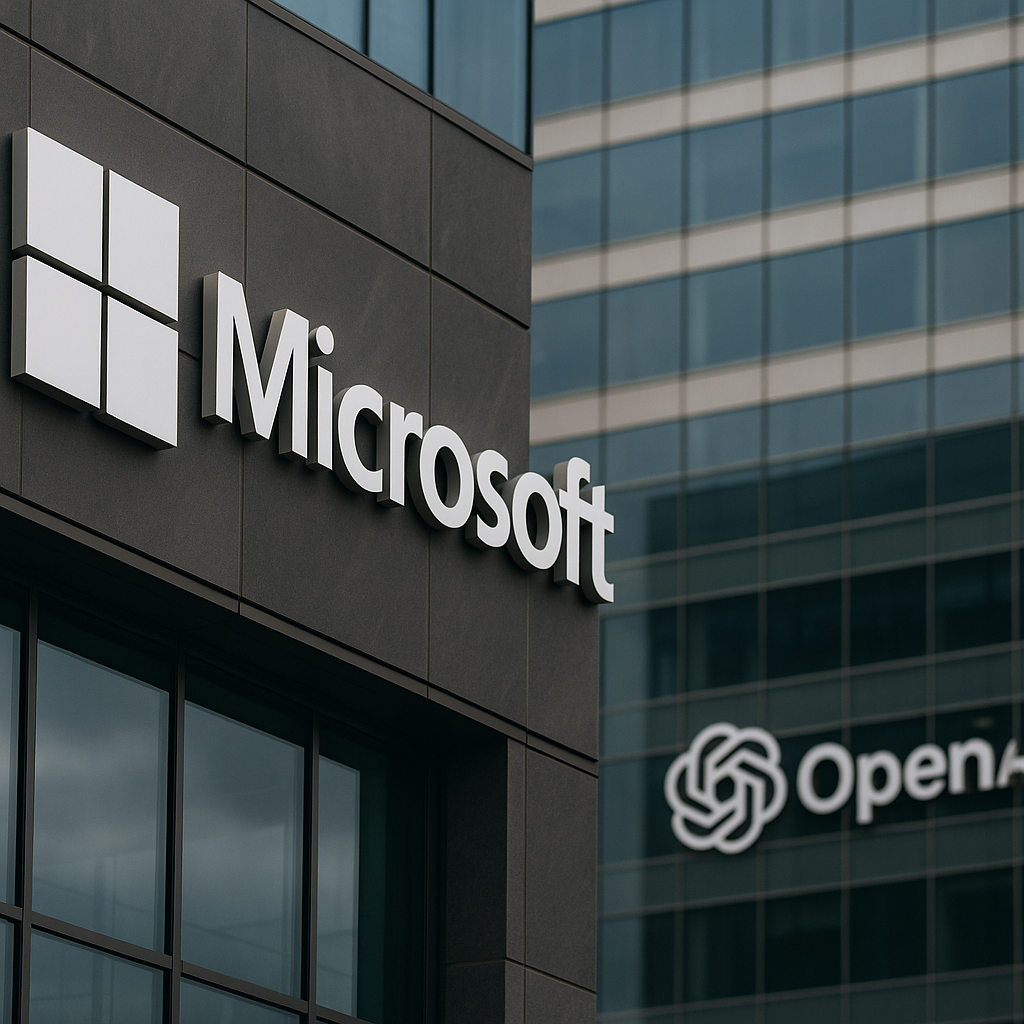
Microsoft to end exclusive license for OpenAI's technology
On April 27, 2026, Microsoft and OpenAI announced a significant change in their partnership, altering the terms of their previous agreement that granted Microsoft exclusive rights to sell OpenAI’s artificial intelligence models. This decision allows OpenAI to pursue new collaborations with competitors, including Amazon, marking a pivotal shift in the landscape of artificial intelligence and cloud computing.
Background of the Partnership
Since 2019, Microsoft has invested approximately $13 billion in OpenAI, facilitating the startup’s rise as a leader in artificial intelligence. This investment also bolstered Microsoft’s Azure cloud-computing services, integrating OpenAI’s advanced models into its offerings. However, as OpenAI sought greater autonomy to engage with other cloud providers, tensions began to surface between the two companies.
Changes in the Agreement
The renegotiated terms of the deal signify a major shift in the relationship between Microsoft and OpenAI. Under the new agreement:
- OpenAI can now establish cloud partnerships with Microsoft’s rivals, including Amazon Web Services (AWS) and Google Cloud.
- Microsoft will remain OpenAI’s primary cloud partner and retain a license to OpenAI’s intellectual property until 2032.
- Microsoft will receive a guaranteed 20% share of OpenAI’s revenue until 2030, although this total will now be subject to an undisclosed cap.
- The clause that allowed OpenAI to cease payments to Microsoft upon achieving artificial general intelligence (AGI) has been removed.
Implications for OpenAI
By loosening its ties with Microsoft, OpenAI gains the flexibility to expand its enterprise business and compete more effectively with other AI companies, such as Anthropic. Analysts believe that this new arrangement is crucial for OpenAI’s success in the enterprise market. Gil Luria, an analyst at D.A. Davidson & Co., stated, “The new deal with Microsoft was essential for OpenAI to be successful in the enterprise market.” He noted that AWS and Google Cloud customers had been limited in their ability to integrate OpenAI’s products due to the exclusive relationship with Microsoft.
Market Reactions
Following the announcement, Microsoft shares experienced a slight decline of 1.3% but closed largely unchanged. In contrast, Alphabet’s shares rose by 1.81%, while Amazon’s shares saw a decrease of 1.1%. This reaction reflects the market’s mixed feelings about the implications of the new deal.
OpenAI’s Expanding Partnerships
OpenAI has already begun to explore partnerships beyond Microsoft. The startup has established cloud and infrastructure agreements with Oracle and Alphabet’s Google, as well as a chip partnership with Nvidia. Additionally, OpenAI is collaborating with Luxshare, a supplier for Apple, to venture into consumer devices. This diversification indicates OpenAI’s strategy to broaden its market reach and capabilities.
Microsoft’s Strategic Shift
As OpenAI seeks to expand its partnerships, Microsoft appears to be adjusting its strategy to reduce its reliance on OpenAI. The tech giant aims to ensure revenue certainty while allowing OpenAI the freedom to explore new opportunities. This shift may help Microsoft mitigate risks associated with OpenAI’s potential assertion of having achieved AGI.
Future Prospects
The new agreement between Microsoft and OpenAI sets the stage for a more competitive landscape in the AI and cloud computing sectors. With OpenAI now able to collaborate with other major players, it can enhance its offerings and reach a wider audience. Meanwhile, Microsoft will continue to leverage its partnership with OpenAI while exploring its own innovations in artificial intelligence.
Conclusion
The renegotiation of the partnership between Microsoft and OpenAI marks a significant turning point in the evolution of artificial intelligence technology. As both companies adapt to the changing landscape, the implications of this new agreement will likely resonate throughout the technology sector for years to come.
Note: This article is based on information available as of April 2026 and may be subject to change as new developments occur.