Justin Trudeau warns AI boom could create hundreds of trillionaires—and it will mean there’s something ‘fundamentally wrong with the world’
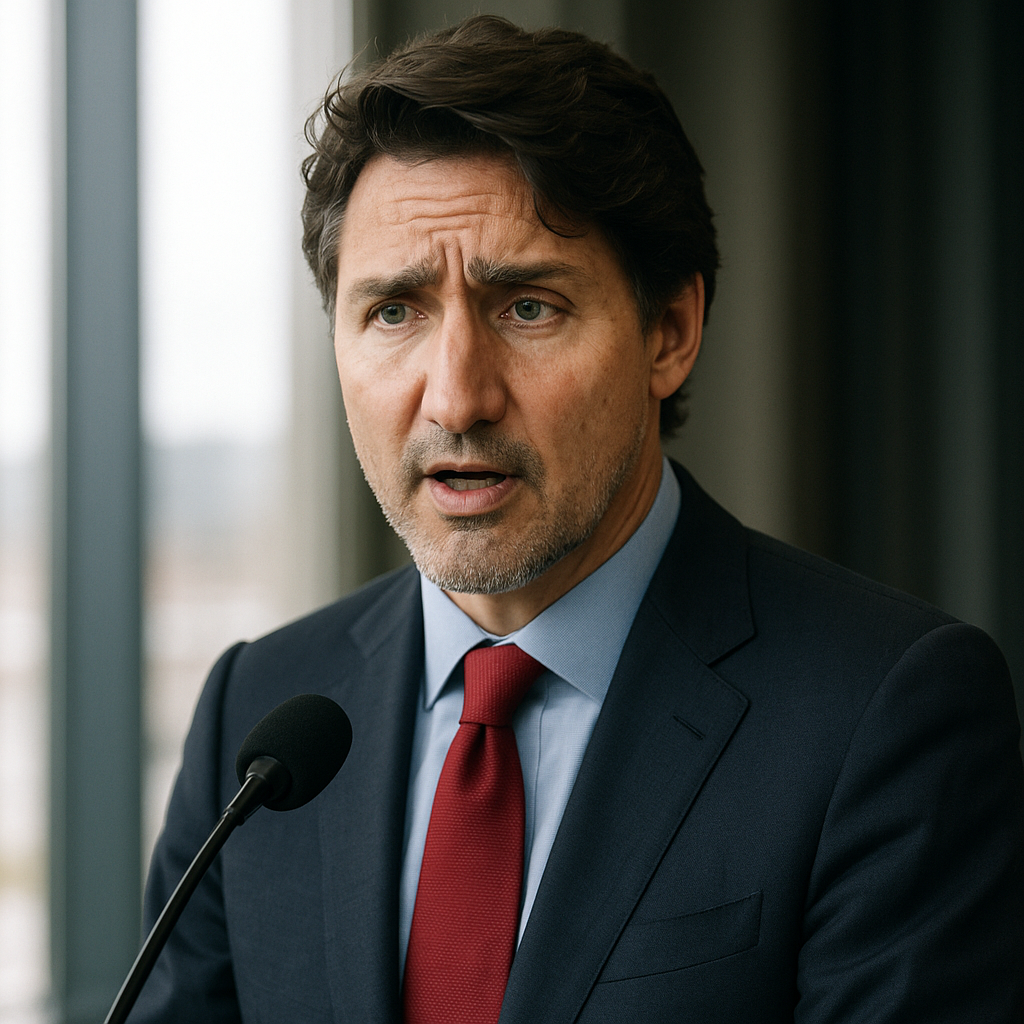
In a recent statement, former Canadian Prime Minister Justin Trudeau expressed concerns over the rapid advancements in artificial intelligence (AI) and its potential to exacerbate wealth inequality. He warned that while the AI boom could lead to significant innovations and economic growth, it could also result in a stark concentration of wealth among a small elite, creating hundreds of trillionaires.
The Upside of AI
Artificial intelligence has been heralded for its transformative potential. From revolutionizing healthcare to enhancing productivity across various sectors, the technology promises to change the way we live and work. Tech leaders, including Elon Musk, have suggested that AI could make work optional and render traditional economic structures obsolete.
A Darker Scenario
However, Trudeau highlighted a troubling scenario that accompanies this optimism. He emphasized that if the wealth generated by AI is not distributed equitably, society could face severe consequences. “We will probably in the coming years end up with a handful of trillionaires—that is OK in a sense that we need to aspire to something,” Trudeau stated. “But if we suddenly have 100 trillionaires or 1,000 trillionaires, something will be fundamentally wrong with the world—and everyone will be right in saying ‘This system doesn’t work.’”
Wealth Disparities Today
Trudeau’s comments come amid a backdrop of growing wealth inequality. According to Oxfam, the number of billionaires reached a record high in 2025, with approximately 3,000 individuals globally. Their combined wealth increased by $2.5 trillion in just one year, a figure that rivals the wealth concentration seen during the Gilded Age. During this period, industrialists like J.P. Morgan and John D. Rockefeller amassed unprecedented fortunes, leading to significant social and economic disparities.
Global Concerns Over Income Inequality
The widening gap between the wealthy and the working class has become a global concern. Even religious leaders have weighed in on the issue. Pope Leo XIV remarked on the alarming disparity in CEO compensation, noting that while executives once earned four to six times more than their employees, they now earn 600 times more. “If that is the only thing that has value anymore, then we’re in big trouble,” he cautioned.
Trudeau’s Legacy and Concerns
Trudeau has long been an advocate for addressing income inequality, a concern that predates the current tech boom. During his tenure as Prime Minister from 2015 to 2025, he implemented policies aimed at reducing poverty rates and expanding child benefits. However, his more ambitious proposals, such as taxing the wealthy to fund essential services like housing and healthcare, faced significant challenges and were not fully realized.
Criticism and Perception
Despite his efforts, Trudeau has faced criticism for being out of touch with the struggles of everyday Canadians, a perception exacerbated by his privileged background as the son of former Prime Minister Pierre Trudeau. His estimated net worth of $10 million, along with his partner Katy Perry’s substantial wealth, has led some to question his commitment to addressing the concerns of the working class.
The Future of Wealth: Elon Musk
As the conversation around wealth inequality continues, figures like Elon Musk are at the forefront. Currently the world’s richest person with a net worth of approximately $650 billion, Musk is on track to become the first trillionaire. His companies, including SpaceX and Tesla, are driving his wealth accumulation, with Tesla shareholders approving a compensation package that could potentially yield Musk stock worth close to $1 trillion over the next decade.
Challenges of Philanthropy
Despite his immense wealth, Musk has acknowledged the complexities of philanthropy. “The biggest challenge I find with my foundation is trying to give money away in a way that is truly beneficial to people,” he shared in a podcast. This sentiment underscores the broader challenge of ensuring that wealth is utilized effectively to address societal issues.
Conclusion
As AI continues to evolve, the potential for wealth generation is immense, but so are the risks of exacerbating existing inequalities. Trudeau’s warnings serve as a crucial reminder of the need for a balanced approach to economic growth—one that prioritizes equitable wealth distribution and addresses the root causes of income disparity. Without such measures, the future may indeed reflect a world where a small elite holds unprecedented power and wealth, raising fundamental questions about the effectiveness of our economic systems.
Note: The views expressed in this article reflect the concerns and insights of Justin Trudeau and do not necessarily represent the opinions of all stakeholders in the discussion around AI and wealth inequality.